Table of Contents (14 sections)
Introduction
The world of smart homes is rapidly evolving, with technology advancing at a breakneck pace. As we delve into 2026, new trends are reshaping how we interact with our living spaces. These 2026 smart home trends are not only enhancing convenience but also improving sustainability and energy efficiency.
Artificial Intelligence Integration
Artificial intelligence has become a cornerstone of modern smart homes. In 2026, AI integration has expanded beyond voice-activated assistants to include predictive learning in home environments. Devices are now capable of learning occupants' habits, enhancing personalization without manual input. For instance, thermostats adjust automatically based on historical user data, optimizing energy usage.
💡 Avis d'expert: With AI, homes are more responsive to human needs than ever before, minimizing the need for intervention and significantly reducing energy bills.
Impact of AI in Daily Life
Daily chores are becoming increasingly automated, providing a seamless living experience. Cleaning robots and smart kitchen appliances are now AI-powered, managing tasks with minimal human interaction. This evolution in AI is vital for busy households, making it a transformative trend.
📊 Energy Efficiency and Sustainability
As environmental consciousness grows, energy-efficient smart home technologies are trending. Devices such as smart thermostats and automated lighting contribute significantly to reducing a household's carbon footprint. According to UFC-Que Choisir, smart thermostats can cut energy consumption by up to 30%.
Smart Devices for Sustainability
Innovations include solar-powered home management systems and energy-efficient HVAC systems integrated with smart grids. These developments not only save homeowners money but also support global energy sustainability efforts.
📺 Resource Video
📺 For further insights: Exploring Smart Home Technology, a comprehensive analysis of smart devices' impact on sustainable living in 2026. Search on YouTube: "smart home sustainability 2026".
Multi-Device Interconnectivity
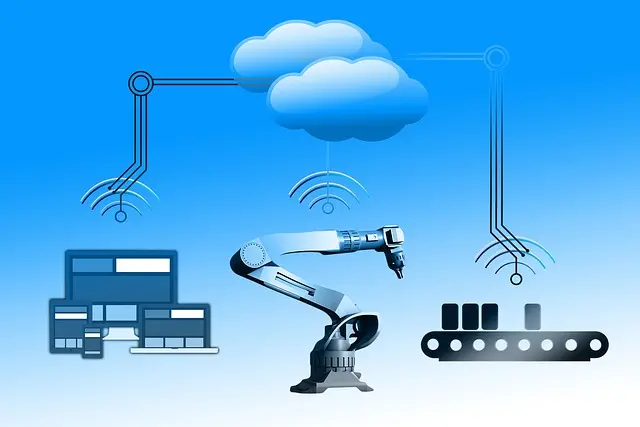
The trend of device interconnectivity is revolutionizing home management. This year, devices communicate seamlessly through standardized protocols, allowing for effortless control from a singular interface.
The Future of Interconnected Homes
This interconnected ecosystem creates a streamlined home environment. According to industry experts, devices that can share data enhance functionality, providing users with a cohesive experience. Systems can monitor each other's operations, leading to proactive problem-solving and efficient energy management.
Enhanced Home Security Systems
In 2026, smart home security has progressed with advanced surveillance systems that include facial recognition and biometric access controls. These systems are integrated with mobile devices, allowing real-time monitoring from anywhere.
🧠 Quiz rapide : How much can smart devices reduce your energy bill by? - A) 10% - B) 30% - C) 50% Réponse: B — Smart thermostats can reduce energy consumption by up to 30%.
The Rise of Smart Health Devices
Smart health devices are gaining prominence in homes, offering features like health monitoring and diagnostic capabilities. These devices track vital signs and daily activities, integrating with health apps to provide medical insights.
The Benefits of Health Integration
With an aging population, these devices cater to health monitoring needs, offering peace of mind to families. According to Les Numériques, the adoption of health-focused tech in homes is growing rapidly, promoting a healthier lifestyle.
Checklist before Smart Home Upgrade
- [ ] Verify compatibility of new devices with existing systems
- [ ] Assess energy efficiency ratings
- [ ] Investigate security features
- [ ] Consider AI-enhanced capabilities
- [ ] Research health device integrations
Glossary
| Term | Definition |
|---|---|
| AI Integration | The use of artificial intelligence to enhance device functionality and personalization. |
| Interconnectivity | Seamless communication between smart home devices through standardized protocols. |
| Biometric Access | Security feature utilizing unique biological characteristics such as fingerprints. |
Conclusion
As smart home technology continues to evolve, the 2026 smart home trends are transforming our living spaces into more efficient, secure, and sustainable environments. Embracing these advancements can provide significant benefits in convenience and quality of life.