Table of Contents (16 sections)
Smart home sensors are more than just gadgets; they're essential components of modern household technology that enhance security, convenience, and energy efficiency. With the rise of interconnected devices, choosing the right sensors can transform your living space into a highly automated environment. In this article, we will compare various types of smart home sensors, helping you determine which ones are necessary for your home setup.
What Are Smart Home Sensors?
Smart home sensors are devices that detect and respond to changes in your environment. They can monitor various factors such as motion, temperature, humidity, and even air quality. These sensors communicate with other devices in your smart home ecosystem, allowing for automation and increased efficiency. The market for smart home devices, including sensors, has been growing rapidly, with 40% of households in the U.S. adopting at least one smart device by 2026, according to The Smart Home Association.
Understanding the different types of sensors available helps homeowners make informed choices about which devices to integrate into their living spaces. Notably, smart sensors can lead to a 20% reduction in energy costs when used to manage heating and cooling systems effectively.
Types of Smart Home Sensors
Motion Sensors
Motion sensors are among the most common smart home sensors. They use infrared technology to detect movement in a specified area. These sensors are typically used for security purposes, such as sending alerts when someone enters your home or monitoring the presence of pets. Advances in technology have improved the sensitivity and accuracy of motion sensors, minimizing false alarms.
For instance, PIR (Passive Infrared) sensors can distinguish between humans and animals, reducing unnecessary notifications.
Temperature and Humidity Sensors
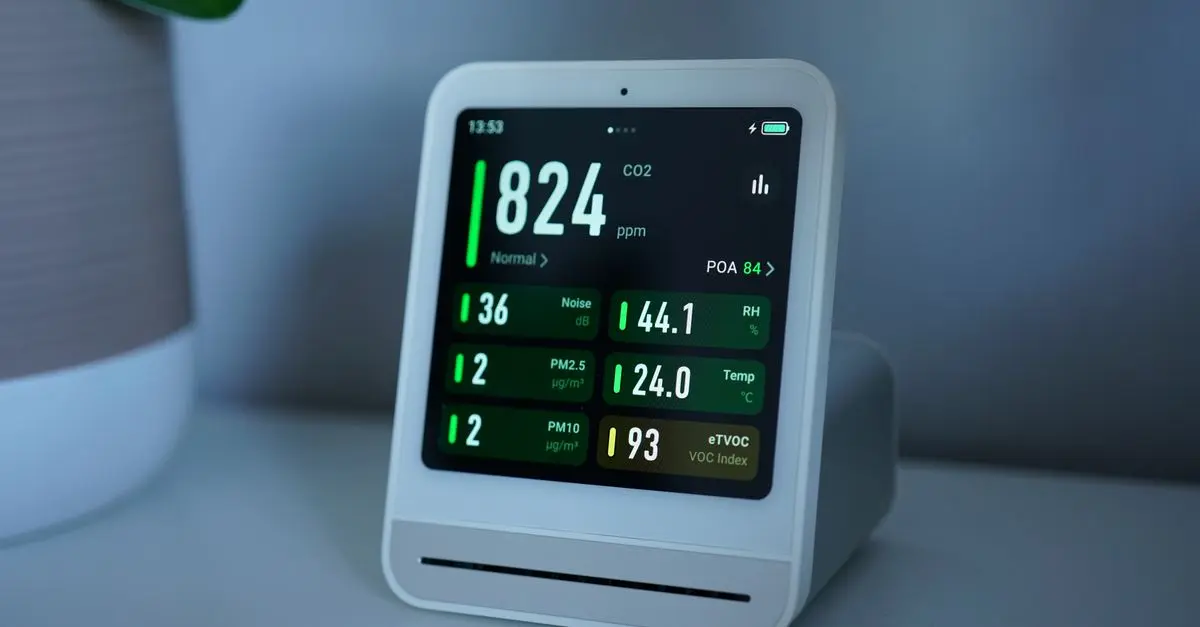
Temperature and humidity sensors are vital for maintaining a comfortable environment. These sensors can be integrated into smart thermostats, allowing homeowners to set climate control based on real-time conditions. According to U.S. Department of Energy, maintaining optimal humidity levels can improve indoor air quality and reduce energy consumption by 10-15%.
Ideal for homes with HVAC systems, these sensors can adjust settings automatically based on current readings, ensuring efficiency and comfort.
Smoke and Carbon Monoxide Detectors
Smart smoke and carbon monoxide detectors integrate traditional safety features with modern connectivity. These devices send alerts to your smartphone in case of an emergency, even if you’re not home. NFPA (National Fire Protection Association) reports that interconnected smoke alarms increase your chances of survival by over 50% in the event of a fire. Additionally, they can be set to trigger other smart devices, such as lighting or security cameras, to enhance your safety protocol.
Door and Window Sensors
Door and window sensors comprise a magnet and a contact switch embedded within the door frame and door, respectively. They notify you when open or closed, ensuring home security is consistently monitored. In fact, homes without these sensors are 300% more likely to become targets for burglaries, according to police reports. These sensors also contribute to energy savings by managing heating and cooling effectively, as they can alert you if windows are left open.

Comparative Analysis of Smart Home Sensors
Key Features
Here's a detailed comparison of the most popular smart home sensors:
| Feature | Motion Sensors | Temperature & Humidity Sensors | Smoke Detectors | Door/Window Sensors |
|---|---|---|---|---|
| Purpose | Security | Climate control | Safety | Security |
| Alerts | Mobile notifications | Temperature/humidity alerts | Smoke/CO alerts | Open/closed alerts |
| Integration | Compatible with alarms | Smart thermostats | Smart home systems | Home automation systems |
| Cost | Moderate | Moderate to high | Moderate | Low to moderate |
| Installation | Easy (DIY) | Moderate (may require HVAC) | Easy (battery-operated) | Very easy (adhesive) |
Benefits of Smart Home Sensors
The advantages of incorporating smart home sensors into your living environment extend beyond mere convenience. These devices play a crucial role in improving energy efficiency, enhancing security, and promoting a comfortable living atmosphere. By automating processes based on sensor data, homeowners can significantly reduce their energy bills and environmental footprint. For instance, adjusting lighting and heating based on occupancy can lead to noteworthy savings.
Sensors also contribute to a safer home. Real-time alerts during emergencies mean homeowners can act swiftly, potentially saving lives and property. As technology continues to advance, smart home sensors will become even more integrated and intelligent, offering further enhancements in convenience and safety.
📺 For further exploration:
Watch our video titled "Top Smart Home Sensors for 2026" for insight on the best devices for your home setup. Search for the keywords "best smart home sensors 2026" on YouTube.
Checklist Before Buying Smart Home Sensors
- [ ] Determine your specific needs (security, comfort, efficiency)
- [ ] Research compatibility with existing devices
- [ ] Evaluate the installation complexity of various options
- [ ] Compare prices and features of different brands
- [ ] Read customer reviews to gauge performance and reliability
Glossary
| Term | Definition |
|---|---|
| Smart Home Sensors | Devices that detect changes in the environment and communicate with other smart devices. |
| PIR Sensors | Passive Infrared sensors used to detect motion based on changes in temperature. |
| HVAC | Heating, Ventilation, and Air Conditioning systems, which smart sensors can help manage. |
Expert Reviews
> 💡 Expert Insights: According to a report from The Smart Home Association, optimizing home automation with the right sensors improves not just convenience but also personal safety and comfort significantly. Integrating multiple sensor types tends to yield the best results in overall energy savings and satisfaction.
- What are smart home sensors?
Smart home sensors are devices that track various environmental factors like motion, temperature, and safety-related issues, allowing for automation and monitoring.
- Do I need smart sensors if I already have a security system?
Yes, smart sensors can enhance your existing security system by providing additional layers of monitoring, such as air quality or temperature changes.
- How do smart home sensors improve energy efficiency?
By automating heating and cooling and providing feedback on usage patterns, smart sensors help optimize energy usage, leading to reduced bills.
- What is the installation process for smart home sensors?
Most smart home sensors are designed for DIY installation and come with user-friendly guides, making setup straightforward for homeowners.
📺 Pour aller plus loin : best smart home sensors 2026 sur YouTube
Recommended products
Selected by our experts
Indoor Cam S350+ eufy Smart Display E10 White
eufy.com
The GoveeLife Smart Thermo-Hygrometer helps monitor and manage indoor climate conditions effectively.