Table of Contents (8 sections)
Understanding Energy Efficiency in Smart Homes
In recent years, the integration of energy efficiency in smart homes has become a significant trend. But what exactly does this entail? Energy efficiency refers to the use of technology that requires less energy to perform the same function as conventional methods. Smart homes leverage this by incorporating advanced systems that manage and reduce energy consumption. For instance, smart thermostats like those by Nest or Ecobee use machine learning to adapt heating and cooling schedules to homeowners' habits, potentially reducing energy usage by up to 15%.
How to Optimize Your Smart Home for Energy Efficiency
Implementing energy-efficient practices in your smart home involves several steps:
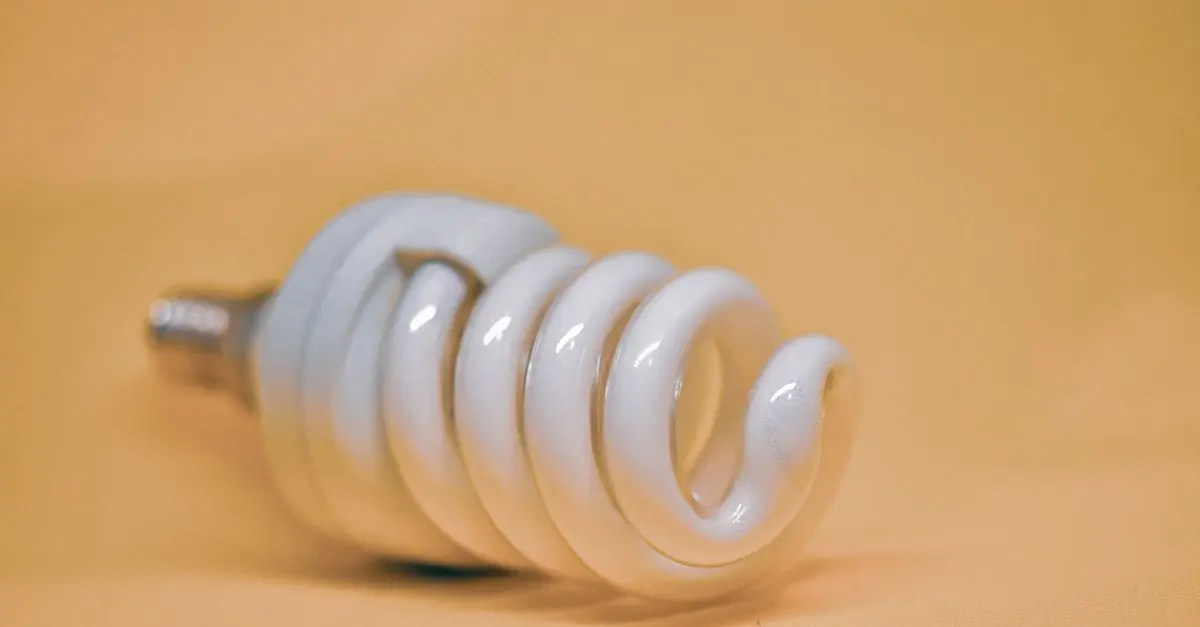
- Invest in Smart Lighting: Use LED bulbs and smart lighting systems to benefit from energy savings and convenience.
- Upgrade to Smart Appliances: Modern appliances come with energy-saving features that reduce consumption in standby modes.
- Install Energy Management Systems: These systems provide real-time data on energy usage, helping to identify areas where you can improve.
- Use Smart Power Strips: These help cut off power supply to idle devices, reducing phantom loads.
By following these steps, homeowners can significantly enhance energy efficiency, contributing to both environmental conservation and reduced utility bills.
Comparative Analysis: Traditional vs. Smart Homes
Let's compare traditional and smart homes in terms of energy efficiency:
| Feature | Traditional Home | Basic Smart Home | Advanced Smart Home | Verdict |
|---|---|---|---|---|
| Lighting Efficiency | Low (incandescent bulbs) | Moderate (CFLs or LEDs) | High (Smart LEDs) | Smart homes save |
| Heating System | Basic thermostat | Programmable thermostat | Learning thermostat | Advanced wins |
| Appliance Control | Manual | Basic scheduling | AI-managed systems | Advanced wins |
| Energy Monitoring | N/A | Limited | Comprehensive dashboards | Advanced wins |
Analyzing Data on Smart Home Energy Efficiency
According to a study by Statista in 2025, 40% of US households have incorporated at least one type of smart home technology. Of these, energy management systems were credited with reducing energy bills by an average of 10-20%. The International Energy Agency (IEA) reports that implementing smart technologies can potentially reduce the global energy use in buildings by about 10% by 2030.
- What makes smart homes energy efficient?
Smart homes utilize technology to automatically optimize energy usage through devices like smart thermostats, lighting, and appliances.
- Are smart home devices sustainable?
Yes, smart home devices not only save energy but also reduce carbon footprints, contributing to environmental sustainability.
- Can smart homes save money?
Absolutely. Energy-efficient devices can significantly reduce utility bills, often covering initial setup costs over time.
- What are the best smart devices for energy savers?
Smart thermostats, energy-monitoring devices, and smart lighting systems are among the most effective for energy conservation.
📺 Resource Video
> 📺 For more insights: Search on YouTube: "energy efficiency in smart homes 2026" for videos that explore innovative technologies enhancing smart home efficacy.
Glossary
| Term | Definition |
|---|---|
| Smart Home | A home equipped with devices that automate tasks and provide remote control capabilities. |
| Energy Efficiency | Reduction in the amount of energy required to provide products and services. |
| Phantom Load | Energy consumed by devices when they are turned off but still plugged in. |
Checklist before Optimizing Your Smart Home
- [ ] Assess current energy consumption levels
- [ ] Identify devices with the highest energy use
- [ ] Research and invest in smart alternatives
- [ ] Implement energy management systems
- [ ] Monitor usage and adjust settings regularly
💡 Avis d'expert: Incorporating smart technologies not only enhances convenience but is essential in achieving a sustainable and cost-effective household energy strategy.
🧠 Quiz rapide: What is the average energy savings potential from smart home technologies?
- A) 5%
- B) 10%
- C) 20%
Réponse : C — Studies suggest potential energy reductions of up to 20%.