Table of Contents (16 sections)
In a rapidly advancing technological landscape, smart home sensors have become pivotal in automating our households, contributing to both security and convenience. These sensors vary widely in functionality, and understanding what features to prioritize can significantly enhance the benefits they bring. As we venture into the world of smart home technology, it is important to discern what makes these sensors truly effective.
What Are Smart Home Sensors?
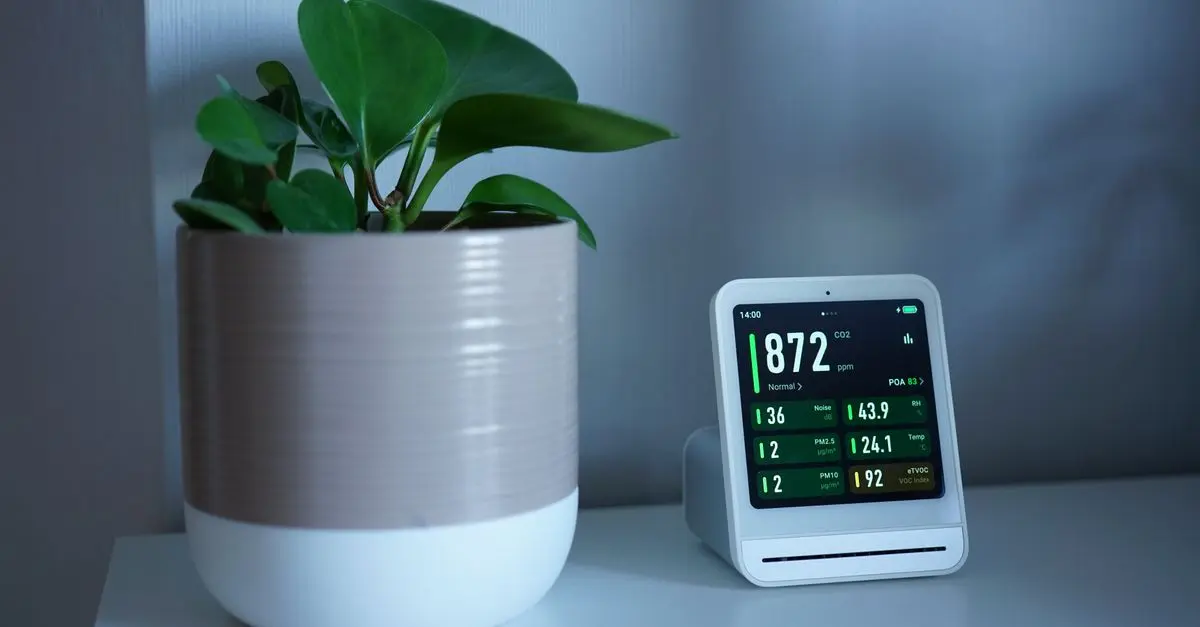
Smart home sensors are devices designed to detect changes in their environment and communicate with a central hub or other devices to perform automated tasks. These can range from motion detectors and door/window sensors to environmental sensors that monitor temperature, humidity, and even air quality. According to recent surveys, approximately 70% of smart home users report improved security with the implementation of these devices, illustrating their growing importance in modern homes.
Why Are They Important?
The significance of smart home sensors extends beyond mere convenience. They serve crucial roles in enhancing the overall safety and efficiency of the home. For instance, a door/window sensor can alert homeowners to potential intrusions, while environmental sensors can prevent property damage by monitoring conditions such as water leaks or extreme temperatures. Their integration with smart home systems allows for real-time monitoring, empowering users to respond quickly to potential threats.
In 2026, as home automation continues to grow, the role of effective sensor features becomes more vital. People are increasingly looking for solutions that provide assurance, convenience, and energy efficiency, making it essential for homeowners to understand what features to prioritize.
Key Features to Look for in Smart Home Sensors
When selecting smart home sensors, there are several key features that can enhance performance and usability. Here are some essential features you should consider:
1. Compatibility and Integration
This feature is crucial as it determines how easily a sensor can work with other devices in your smart home ecosystem. Smart home sensors should ideally be compatible with various platforms, allowing for seamless integration. Popular ecosystems like Amazon Alexa, Google Home, and Apple HomeKit provide a foundation on which smart home devices interact. According to a study by UFC-Que Choisir, users report higher satisfaction levels when their devices work well together, emphasizing the importance of integration.
2. Real-Time Alerts and Notifications
The ability to receive instant notifications about important events can drastically enhance home security. Look for sensors that provide real-time alerts. This feature ensures you are promptly informed about breaches, motion detection, or environmental changes, allowing for quick responses to potential threats. Research shows that homes equipped with real-time monitoring and alerts can reduce security breaches by up to 40%.
3. Sensor Range and Sensitivity
This refers to the area that the sensor can effectively monitor. A wider range allows for better coverage and security of larger spaces. Additionally, sensitivity settings can often be adjusted to avoid false alarms from pets or small movements. According to user feedback, the optimal sensitivity settings can minimize distractions while ensuring comprehensive monitoring. For example, a sensor that covers 30 feet reliably will generally meet the needs of most standard residential spaces.
4. Battery Life and Power Options
Battery life is crucial for ensuring uninterrupted functionality. Many smart sensors now utilize rechargeable batteries or can be wired directly into your home's electrical system. Users should seek sensors with long-lasting batteries (often lasting six months to a year) and those that offer low-battery notifications. This reduces anxiety about potential failures due to power depletion.


Loheer - Mattress Vacuum Cleaner, 15kPa Bed Vacuum Cleaner with 253.7nm UV-C Light, 500W Powerful Handheld Vacuums for Bed
bestbuy.com
Comparative Overview of Smart Home Sensors Features
Below is a comparative overview of common sensors and their features:
| Feature | Motion Sensor | Door/Window Sensor | Environmental Sensor | Verdict |
|---|---|---|---|---|
| Real-Time Alerts | Yes | Yes | Yes | Essential for all types |
| Integration Capability | High (Smart Hubs) | High (Smart Hubs) | Moderate (Specific Brands) | High for convenience |
| Sensitivity Control | Adjustable | Fixed | Adjustable | Important for accuracy |
| Battery Life | 6 months - 1 year | 1 year | 6 - 12 months | Varies, choose wisely |
Expert Insights on Smart Home Sensors
> 💡 Expert Opinion: The continuous evolution of smart home technology in 2026 has brought about significant improvements in sensor functionalities. Homeowners should prioritize features like integration and real-time alerts, as they provide the best returns in terms of security and control. As the market advances, those who invest in high-quality sensors will benefit from greater automation and peace of mind.
Checklist before Purchasing Smart Home Sensors
- [ ] Determine compatibility with existing smart home systems.
- [ ] Check for real-time alert capabilities.
- [ ] Assess sensor range for desired applications.
- [ ] Review battery life and power options.
- [ ] Read user reviews for insights on performance.
- [ ] Compare brands and warranties for best support.
📺 Resource Video
> 📺 To explore more: Essential Smart Home Sensors and Their Features, a detailed exploration of key home automation devices. Search on YouTube: "best smart home sensors 2026".


Glossary
| Term | Definition |
|---|---|
| Smart Hub | A central device that connects and manages communication between smart home devices. |
| Real-Time Alerts | Notifications sent immediately to users when sensors detect significant events. |
| Integration | The capability of different smart devices to work together seamlessly within a system. |
Conclusion
As you consider your options for smart home sensors, keep in mind the essential features that will not only enhance your home’s security but also your lifestyle. The right choices can lead to a more efficient, safer, and user-friendly home environment. Explore our recommendations to find the ideal sensors for your needs.
Call to Action
Interested in upgrading your home’s security? Discover our recommended sensor products below for reliable and effective solutions.
📺 Pour aller plus loin : best smart home sensors 2026 sur YouTube
Recommended products
Selected by our experts

Masimo Rad-57 with SpO2, SpCO, SpMet and Adult and Pediatric Sensors
concordhealthsupply.com
Nonin Medical 6000 Series Breathable Cloth Disposable Sensors 24/Box
concordhealthsupply.com