Table of Contents (11 sections)
In today's world, managing energy use has become critical for both environmental sustainability and economic efficiency. As we embrace technology in our homes, smart home energy management solutions have emerged as a key means to optimize energy consumption. But what exactly does this entail?
Understanding Smart Home Energy Management
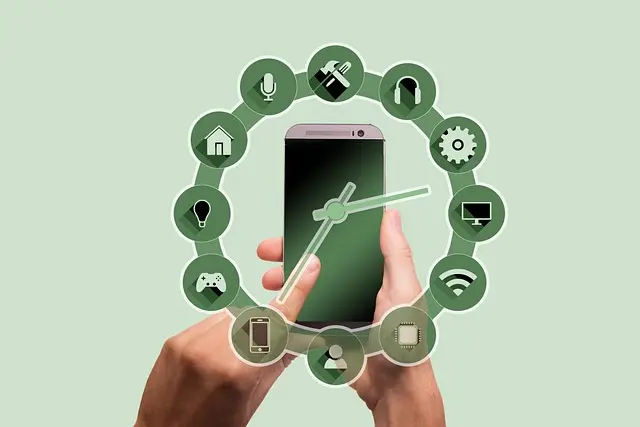
Smart home energy management refers to the integration of devices and systems that monitor, control, and optimize energy use across various home appliances and systems. This can include smart thermostats, lighting systems, energy monitors, and even smart appliances that adjust their energy consumption patterns based on usage data.
Diving into the context of energy management, the primary goal is to minimize waste and increase efficiency. According to the U.S. Department of Energy, smart home technologies can save an average of 10-30% on energy bills (2026) by allowing homeowners to track which devices use the most power and when.
Key Components of a Smart Home Energy System
Creating an effective energy management system typically involves several components:
- Smart Thermostats: These devices learn your schedule and adjust heating and cooling settings accordingly. They can be programmed remotely via smartphone apps.
- Energy Monitors: These tools provide real-time data about energy consumption. They often display usage patterns that can help you identify areas where savings can be achieved.
- Smart Appliances: Devices such as fridges, washers, and dryers can communicate with your energy management system, operating at off-peak hours when energy costs are lower.
- Smart Lighting: Integrated lighting solutions allow you to control brightness and switch off lights remotely, contributing significantly to energy conservation.
- Home Automation Systems: These systems coordinate multiple devices collectively, creating scenarios that optimize energy use automatically.
By integrating these components, homeowners can create a cohesive strategy for managing energy efficiently.
Step-by-Step Implementation of Energy Management Solutions
Implementing a smart home energy management system can be broken down into several actionable steps:
- Assess Current Energy Usage: The first step is to audit current energy consumption using an energy monitor. This will help identify high-use appliances and peak usage times.
- Choose Compatible Devices: Based on your audit, select smart devices that seamlessly integrate with your existing technology. Look for products that support smart home standards like Z-Wave or Zigbee for broader compatibility.
- Install Devices and Set Up Software: Follow the manufacturer's guidelines to install devices. Set up accompanying apps to track usage and customize settings.
- Create Energy-Saving Scenarios: Use automation features to create scenarios; for example, set your thermostat to lower temperatures during the night and to rise before you wake up.
- Monitor and Adjust: Continuously monitor energy usage. Many energy management systems allow for real-time adjustments based on your changing needs.
Deploying these solutions effectively can lead to significant energy savings, making them a worthwhile investment.
Comparative Analysis of Popular Smart Energy Management Products
When looking for solutions, consider comparing multiple options. Below is a simple comparison of three popular smart energy management systems:
| Product | Features | Cost | Efficiency Gains |
|---|---|---|---|
| Smart Thermostat A | Learning capability, remote access | $249 | Up to 30% savings |
| Energy Monitor B | Real-time tracking, historical data | $99 | Up to 20% savings |
| Smart Lighting C | Voice control, schedule automation | $79/pack of 4 | Up to 15% savings |
Trends and Statistics in Smart Home Energy Management
The adoption of smart home energy management technologies is rapidly growing. According to a report from Statista, the global market for smart home devices is expected to reach $174 billion by 2026. Furthermore, an average household can expect to save around $500 annually by integrating smart energy management solutions into their homes. As awareness of these options increases, more households are poised to adopt smart technologies, leading to a significant reduction in overall energy consumption and costs.
Expert Insights on the Future of Smart Home Energy Management
💡 Expert Opinion: We’ve noticed a growing trend toward more integrated energy solutions that not only focus on efficiency but also provide insights into energy sources. This holistic approach helps consumers understand their energy use and make smarter choices. According to UFC-Que Choisir, the future will involve even more advanced AI technologies that predict usage patterns and adjust settings dynamically.
Frequently Asked Questions (FAQ)
Q: How can smart home technology improve energy efficiency?
A: Smart home technologies, such as smart thermostats and energy monitors, allow for better tracking and control of energy consumption, leading to significant savings.
Q: Do I need a professional to install smart energy devices?
A: Most devices are designed for easy DIY installation, but for complex systems, professional help might be beneficial.
Q: What is the typical return on investment for smart home energy solutions?
A: Many users report savings of 10-30% on energy bills, providing a quick payback period for the investment in these technologies.
Q: Are all smart home energy devices compatible with each other?
A: Not all smart devices are compatible; it's essential to check for standard communication protocols like Z-Wave or Zigbee.
Glossary
| Term | Definition |
|---|
| Smart Thermostat | A device that automatically adjusts heating and cooling settings for optimal energy use.
| Energy Monitor | A device that tracks and reports energy consumption in real-time.
| Home Automation | Technology that enables the control of multiple devices through a centralized system.
Checklist before Purchase
- [ ] Assess your current energy consumption.
- [ ] Research and compare different smart devices.
- [ ] Check compatible technologies and integrations.
- [ ] Look for energy-saving features.
- [ ] Consider potential ROI based on energy consumption.


📺 Resource Video
> 📺 For further exploration: Understanding Smart Home Energy Management Solutions, an in-depth analysis on effective energy usage in homes. Search on YouTube: "smart home energy management best practices 2026".
We have selected several products suited for your energy management needs; check our recommendations below for optimal solutions!
📺 Pour aller plus loin : smart home energy management best practices 2026 sur YouTube
Recommended products
Selected by our experts


Black & Decker - Countertop Dishwasher, Counter Dishwasher With 6 Wash Programs,energy Star Certified - White
bestbuy.com