Table of Contents (20 sections)
In the fast-evolving world of technology, the concept of a smart home has become increasingly popular. But what does it mean? Smart home devices are gadgets and systems that connect to the internet, allowing you to control various aspects of your home remotely through your smartphone or other devices. This connectivity not only provides convenience but can also enhance security, improve energy efficiency, and offer peace of mind. As we explore the best smart home devices available today, we discover how they can significantly improve our daily living experience.
1. Smart Thermostats: Climate Control at Your Fingertips
A smart thermostat is an essential device for any modern household. These devices learn your schedule and preferences, automatically adjusting the temperature to maximize comfort while minimizing energy costs. With options like Nest and Ecobee, home automation is made simple. Nest, for instance, can provide energy usage reports, helping you understand your consumption patterns. It can lower the heating or cooling when you are not home, potentially saving you up to 15% on your energy bill, according to estimates.
Benefits of Smart Thermostats
- Energy efficiency: Control energy consumption remotely.
- Adaptability: Automatically adjust to your routine.
- Remote access: Control your home temperature from anywhere.
2. Smart Security Cameras: Keeping Your Home Safe
When it comes to home security, smart cameras offer peace of mind by allowing homeowners to monitor their property through a smartphone app. Brands like Ring offer models with advanced features such as motion detection and night vision. According to UFC-Que Choisir, users can receive instant alerts on their smartphones if suspicious activity is detected.
Features to Look For
- Two-way audio: Communicate with visitors or potential intruders.
- Cloud storage access: Save video footage for later review.
- Integration with other devices: Connect with smart alarms or lighting systems.
3. Smart Lighting: Illuminate with Intelligence
Transforming the ambiance of your living space has never been easier than with smart lighting. Brands like Philips Hue and LIFX allow you to change colors, brightness, and schedules via an app. Statistics from Les Numériques show that using smart bulbs can lead to energy savings of up to 80% compared to traditional incandescent bulbs.
Pros of Smart Lighting Systems
- Customization: Set the mood for any occasion.
- Energy efficiency: Reduce costs compared to standard lighting.
- Smart scheduling: Automate lighting patterns to deter intruders.
📺 For More Insight: The Future of Smart Lighting
Search on YouTube: smart lighting technology 2026.
4. Smart Plugs: Transforming Ordinary Devices
One of the most cost-effective smart home devices is the smart plug. This device allows you to control existing appliances through your smartphone. Whether you want to turn on a lamp or schedule your coffee maker, smart plugs like those from TP-Link offer an excellent solution. Users appreciate these devices for their ease of installation and cost-effectiveness, often recovering the cost within a few months through energy savings.
Features of Smart Plugs
- Remote control: Operate devices from anywhere.
- Energy monitoring: Track energy usage of plugged appliances.
- Voice control: Compatible with voice assistants like Alexa and Google Assistant.
5. Smart Door Locks: Enhanced Security and Convenience
Upgrade your home’s security system with smart door locks. Products from August and Yale allow keyless entry and remote access controls. A survey by 60 Millions de Consommateurs highlights that smart locks can reduce unauthorized entries significantly, promoting a safer living environment. Thanks to their mobile app functionalities, you can grant access to guests even when you're not around.
Benefits of Smart Door Locks
- Keyless entry: Unlock your home via smartphone.
- Remote access: Manage access for guests through an app.
- Security alerts: Receive notifications if unusual activity is detected.
6. Smart Speakers: Control Your Home with Voice Commands
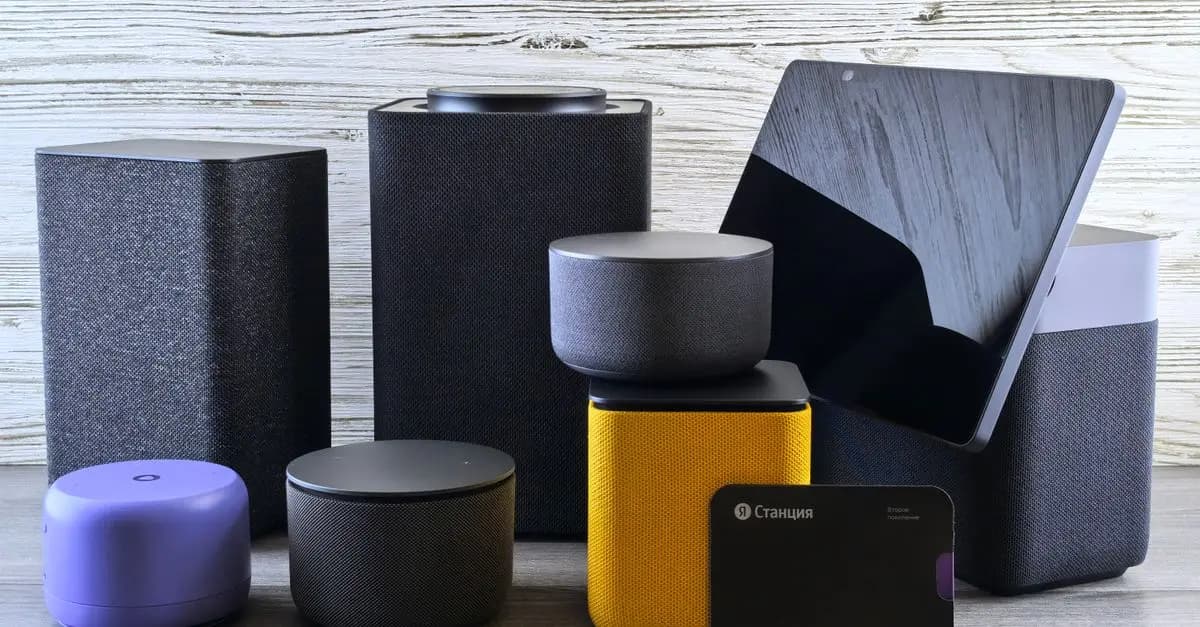
Smart speakers such as Amazon Echo or Google Nest are more than just music players; they serve as a hub for controlling other smart devices in your home. With voice commands, users can adjust lights, thermostats, and even security systems seamlessly. According to research, over 70% of smart home users find smart speakers to be the easiest way to interact with different devices.
Key Features of Smart Speakers
- Voice assistant integration: Control other smart devices.
- Music and entertainment: Stream music, podcasts, and audiobooks.
- Information hub: Get updates on the weather, news, and more.
7. Smart Refrigerators: Culinary Management at Your Fingertips
The advancement of smart refrigerators has revolutionized kitchen management. Devices from Samsung and LG come equipped with touch screens that allow users to access recipes, create shopping lists, and even see what’s inside the fridge from their smartphones. Studies show that smart fridges can reduce food waste by helping you keep track of expiration dates.
Features You’ll Love
- Touchscreen interface: Manage grocery lists and meal plans.
- Camera access: View your fridge's contents remotely.
- Energy monitoring: Track energy consumption more efficiently.
| Device Type | Example Brand | Key Feature | Estimated Cost |
|---|---|---|---|
| Smart Thermostat | Nest | Energy reports | $150 - $250 |
| Smart Security Cam | Ring | Night vision | $100 - $200 |
| Smart Lighting | Philips Hue | Color changing | $15 - $50 per bulb |
| Smart Plug | TP-Link | Energy monitoring | $15 - $30 |
Automatic vacuum cleaners, like those from iRobot and Roborock, simplify home cleaning. These devices can be scheduled to clean at specific times and can often detect and navigate obstacles on their own. This means no more dragging a vacuum around after a long day! According to user reviews, smart vacuums can save an average of 52 hours a year on household chores.
Advantages of Smart Vacuums
- Autonomous operation: Schedule cleaning without lifting a finger.
- Smart navigation: Avoid obstacles and hazardous areas.
- Integration with other smart devices: Synchronize with your home automation system.
Glossary
| Term | Definition |
|---|---|
| Smart Home | A home equipped with devices that can be controlled remotely via the internet. |
| IoT | Internet of Things; network of physical objects that use sensors and APIs to connect. |
| Home Automation | The control of home appliances through smart devices and systems. |
Checklist before Purchase
- [ ] Ensure compatibility with existing smart home systems.
- [ ] Review energy efficiency ratings.
- [ ] Compare user reviews and ratings.
- [ ] Check for ease of installation.
- [ ] Look for warranty and customer service options.
💡 Expert Insight: Investing in quality smart home devices can lead to long-term savings and increased security, particularly with features like automated temperature control or security alerts.
Smart home devices have genuinely transformed how we interact with our living spaces, making daily tasks easier and more efficient. As you consider enhancing your home, remember to evaluate features that matter, such as energy efficiency, ease of use, and security integrations. The right devices can significantly improve your quality of life.
Embrace technology in your home but choose devices that truly offer value to your lifestyle. Happy smart living!
📺 Pour aller plus loin : best smart home devices 2026 sur YouTube