Table of Contents (8 sections)
In 2026, smart home devices have become integral to modern living, transforming how we interact with our households. These technologies encompass a variety of gadgets that enhance our daily routines, offering convenience and efficiency. From thermostats that adjust themselves to energy-efficient appliances, the impact of these devices on household tasks cannot be overstated. In this article, we will explore various facets of smart home technology, examining its benefits, functionalities, and impact on daily life.
What are Smart Home Devices?
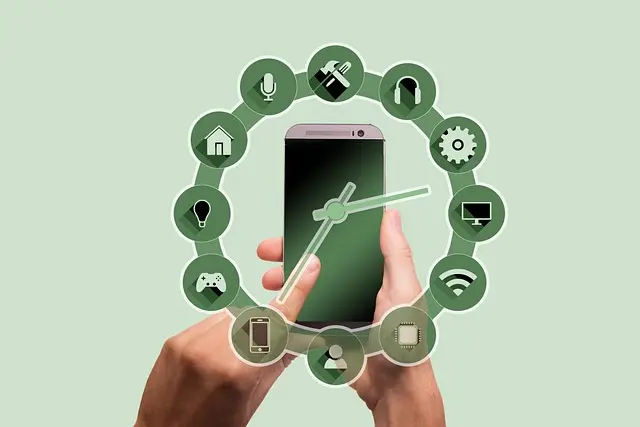
Smart home devices are internet-connected gadgets that enable users to monitor, control, and manage their home remotely. This technology includes devices such as smart thermostats, security cameras, smart speakers, and appliances that can be controlled via a smartphone or a central hub. According to a report by Statista, the smart home market was projected to reach over $150 billion in 2026, highlighting its rapid growth and increasing adoption.
The appeal of smart home devices lies in their ability to simplify routine tasks. For instance, a smart thermostat can learn a household's heating preferences over time, optimizing energy usage and reducing utility costs. Similarly, smart security cameras provide homeowners with real-time monitoring capabilities, allowing them to protect their property from anywhere in the world.
How Do Smart Home Devices Work?
Smart home devices operate through a system of interconnected components that communicate via Wi-Fi, Bluetooth, or other wireless protocols. When connected to a home network, these devices can be controlled through a smartphone app, allowing users to manage their home's functionalities with ease. This intuitive approach makes it simple for individuals to operate multiple devices from one platform.
Step-by-Step Guide to Setting up Smart Home Devices
- Assess Your Needs: Begin by listing the devices that might simplify your daily tasks, whether for security, convenience, or energy-saving purposes.
- Choose a Hub: Decide on a central hub to control all devices. Popular choices include Amazon Echo, Google Nest, and Apple HomePod.
- Select Compatible Devices: Ensure the devices you select are compatible with your chosen hub for seamless integration.
- Download Necessary Apps: Each smart device typically requires a specific app for setup and management.
- Connect Devices: Follow the installation instructions for each device to connect them to your home Wi-Fi and hub.
- Customize Settings: Adjust settings based on your preferences. Many devices allow for schedules or routines that can automate tasks.


WHALL - 4-in-1 UV Mattress Vacuum Cleaner, 21KPa Anti-Mite Bed Vacuum with Hot Air & LED Display
bestbuy.com
Benefits of Smart Home Devices
Smart home devices significantly enhance daily living by providing various benefits:
- Convenience: Automating daily tasks saves time, allowing users to focus on essential activities.
- Energy Efficiency: Many smart devices, such as thermostats and lighting, help monitor and reduce energy consumption.
- Enhanced Security: Smart cameras and locks offer remote monitoring, elevating home security.
- Improved Quality of Life: Devices like smart speakers can help with cooking by providing live instructions, entertainment, or even health monitoring.
According to a survey by the Consumer Technology Association, 70% of consumers reported that smart home technologies simplify their daily routines. This statistic underscores the growing reliance on such devices among households, leading to improved overall satisfaction with home management.
Comparing Popular Smart Home Devices
To highlight the key differences between certain smart home devices, the following table outlines their strengths and weaknesses:
| Device Type | Advantages | Disadvantages | Best Use Case |
|---|---|---|---|
| Smart Thermostat | Energy-saving, self-learning, remote control | Initial installation cost | Managing heating and cooling efficiently |
| Smart Security Camera | Real-time alerts, cloud storage | Subscriptions for cloud services | Low-cost home security surveillance |
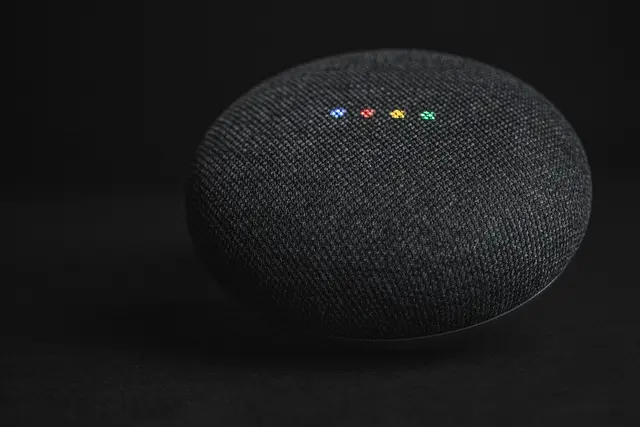
| Smart Speaker | Voice control, versatile functions | Limited sound quality compared to speakers | Home automation and entertainment |
| Smart lighting | Customizable lighting settings, energy savings | Requires compatible bulbs | Creating moods and improving energy efficiency |
Data-Driven Insights on Smart Home Device Usage
The surge in smart home technology use reflects broader trends in consumer behavior and technological advancement. A report from Mordor Intelligence indicates that global smart home device revenue will reach approximately $174 billion by 2026. Furthermore, consumers are increasingly concerned with sustainability, pushing the demand for energy-efficient devices.
Moreover, a survey conducted by the Home Automation Market Research asserts that nearly 55% of consumers consider security features as the most crucial aspect when selecting smart home devices. This data indicates a growing awareness of security among consumers, driving device innovations focused on safety and monitoring.
Expert Insights on Smart Home Technology
> 💡 Expert Opinion:
Recommended products
Selected by our experts