Table of Contents (9 sections)
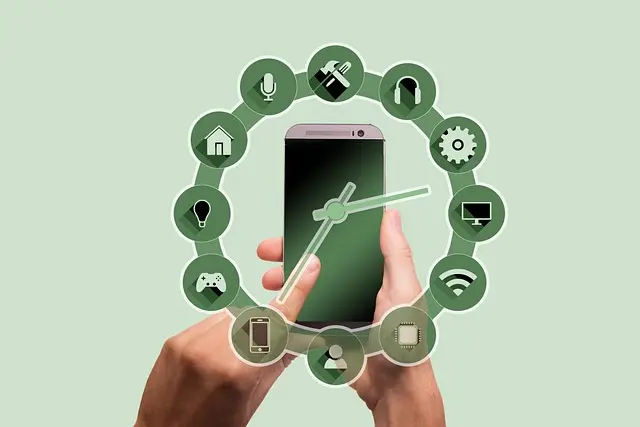
Smart home devices are revolutionizing how we manage and engage with our households. These technologies, which can range from smart speakers and thermostats to security systems and home appliances, provide significant enhancements in convenience, efficiency, and energy management. According to Statista, the global smart home market is projected to reach approximately 135 billion USD by 2025. This rapid adoption is fueled by advancements in Internet of Things (IoT) technology, making these devices more accessible and easier to integrate into everyday life.
Smart home devices work together to create a connected ecosystem, allowing users to control various aspects of their homes from a central hub or via smartphone apps. This interconnectivity allows for automation of routine tasks, improving the efficiency of household management. For example, smart thermostats can learn a homeowner's schedule and adjust heating and cooling accordingly, resulting in lower energy bills and a reduced carbon footprint. By embracing these innovations, homeowners can gain unprecedented control over their living environments while enhancing their quality of life.
Enhancing Energy Efficiency
One of the standout benefits of smart home devices is their ability to optimize energy consumption. Traditional home systems are often inefficient, leading to wasted energy and increased costs. Smart devices, however, provide users with detailed insights into their energy usage, enabling them to make informed decisions. For instance, smart plugs can monitor energy consumption in real-time, helping homeowners identify devices that drain power unnecessarily.
Additionally, smart lighting systems can be programmed to turn off automatically when not in use, significantly reducing energy waste. According to a report by the U.S. Department of Energy, integrating smart lighting solutions can decrease energy use by up to 20%. Furthermore, smart thermostats allow for precise temperature control throughout the home, not only enhancing comfort but also contributing to energy savings with averages of 10-12% savings on heating and cooling bills. By implementing such technologies, households become more environmentally friendly and cost-effective.
Comfort and Convenience: Automation of Daily Tasks
Smart home devices simplify everyday tasks through automation, significantly increasing comfort and convenience for users. For instance, smart assistants can handle various activities through voice commands or scheduled routines, which can include playing music, setting reminders, or controlling other smart devices seamlessly. This feature is especially beneficial for individuals with mobility issues, as they can manage their homes without physical strain.
Moreover, automated cleaning devices, such as robot vacuums, have grown in popularity due to their ability to maintain cleanliness with minimal effort from homeowners. These devices can be scheduled to clean at specific times, allowing users to focus on other important tasks while their home stays tidy. The versatility of smart home devices provides peace of mind and the ability to adapt to a busy lifestyle, ultimately changing the way we think about household chores.


WHALL - 4-in-1 UV Mattress Vacuum Cleaner, 21KPa Anti-Mite Bed Vacuum with Hot Air & LED Display
bestbuy.com
Data-Driven Improvements: Monitoring and Security
In today’s world, data security is paramount, and smart home devices contribute significantly to safeguarding residences. Devices such as smart security cameras and doorbells offer homeowners real-time monitoring capabilities. They can send alerts to owners’ smartphones if unusual activity is detected, providing an extra layer of security that traditional systems simply cannot match. According to Pew Research Center, about 40% of American households have at least one smart home device, a trend that indicates a growing reliance on technology to enhance personal safety.
Moreover, smart home systems often employ advanced analytics to track patterns in daily activities. By understanding these trends, homeowners can better assess when they are home and more effectively secure their residences during travel. This data-driven approach not only promotes safety but can also help identify inefficiencies in household management, leading to informed decisions about potential improvements.
Comparison: Types of Smart Home Devices
As the market for smart home devices expands, potential buyers often face an overwhelming array of options. Below is a comparison table that outlines several common smart home device categories and their main functionalities:
| Device Type | Key Features | Pros | Cons |
|---|---|---|---|
| Smart Thermostat | Learning capabilities, remote access | Energy savings, efficient control | Initial cost can be high |
| Smart Plugs | Energy monitoring, scheduling | Cost-effectiveness, easy to use | Limited to individual devices |
| Smart Security | Real-time alerts, video monitoring | Enhanced safety | Privacy concerns |
| Smart Light Bulbs | Voice control, color changing | Mood settings, energy savings | Requires smart hub or network |
Expert Insights on Smart Home Devices
> 💡 Expert Opinion: The proliferation of smart home technology is indicative of larger societal trends towards automation and efficiency. Adopting smart devices can dramatically enhance how we interact with our homes. However, it's crucial for consumers to consider their unique needs and preferences, as not every device is suitable for every household.
Staying updated on the latest products and technologies can aid in making informed choices that truly enhance home efficiency.
- What are smart home devices?
Smart home devices are electronic devices connected to the internet that enable remote management and monitoring of household tasks.
- How do smart home devices improve energy efficiency?
They provide real-time insights into energy usage and automate systems to reduce unnecessary consumption.
- Can I control my smart home devices remotely?
Yes, most smart home devices allow for remote control via smartphone apps, enabling management from anywhere.
- Are smart home devices secure?
While they enhance security, they can also pose privacy risks; it's essential to choose reputable brands and update software regularly.
Glossary
| Term | Definition |
|---|---|
| IoT | Internet of Things; interconnected devices. |
| Automation | Technology that automatically performs tasks. |
| Smart Hub | A central device that connects and manages all smart devices.


Checklist before purchase
- [ ] Determine the purpose of the smart device.
- [ ] Research device compatibility with existing systems.
- [ ] Read customer reviews and expert opinions.
- [ ] Evaluate potential energy savings.
- [ ] Consider installation requirements.
- [ ] Check for software/update support.
📺 For further insights: Watch our detailed video on the impact of smart home technology and how it can streamline your life. Search for: *
Recommended products
Selected by our experts