Table of Contents (14 sections)
The advent of smart home devices has transformed daily lives in profound ways. By automating mundane tasks and enhancing security, these devices enable households to operate more efficiently. In 2026, it’s clear that integrating smart technology can turn an ordinary home into a streamlined, intelligent ecosystem. This article delves into how smart technology is reinventing home management practices through enhanced convenience, security, and energy efficiency.
What Are Smart Home Devices?
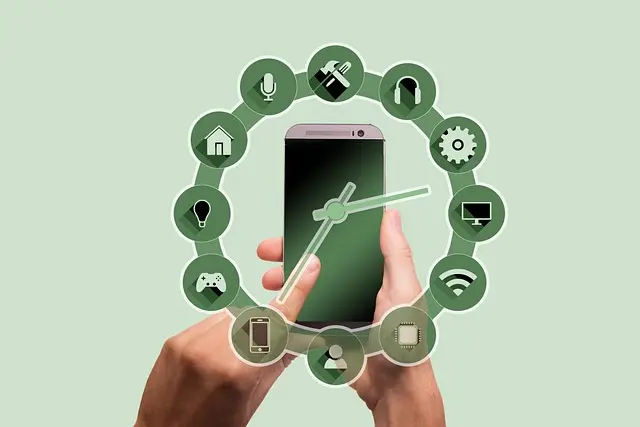
Smart home devices are gadgets that automate functions and can be controlled remotely via smartphones, tablets, or kiosks. These devices can range from smart thermostats and lights to security cameras and entire home automation systems. According to UFC-Que Choisir, the market for smart home systems has grown exponentially, with more households adopting these technologies for their convenience and efficiency.
One significant motivator for integrating smart technology is the simplicity it brings to household management. For instance, a smart thermostat can learn your daily schedule and create a heating or cooling schedule optimized for energy efficiency. Not only does this tailor the home's environment, but it also significantly reduces utility bills. Additionally, these devices often provide insights into energy consumption habits, empowering homeowners to make informed decisions.
Moreover, the enhancement of user experience is paramount. Smart home devices can interact with each other, creating a cohesive ecosystem. Imagine your smart coffee maker starting up when your alarm goes off or your security system adjusting automatically as you leave for the day. This interconnectedness highlights how smart technology is not just about convenience; it's also about creating a personalized home experience.
How to Implement Smart Home Technology
Implementing smart home technology doesn’t have to be daunting. Here is a step-by-step guide to creating your smart home:
- Assess Your Needs: Determine what aspects of your household you want to automate. Is it security, energy efficiency, or convenience?
- Choose a Hub: A smart home hub serves as the central point for all your smart devices. Popular options include Amazon Echo, Google Nest, and Apple HomePod.
- Start Small: Consider beginning with one or two devices. A smart plug, for instance, can help automate existing appliances. Once you see positive results, you can expand your system.
- Integration: Once you've chosen devices, ensure they are compatible with your hub. Many brands have guides online to facilitate this process.
- Customize Settings: Spend some time customizing settings for your devices to maximize their benefits—this might include scheduling, enabling notifications, or setting energy-saving modes.
By following this approach, you can create a smart home that caters to your personal preferences and lifestyle, making everyday management seamless and efficient.


WHALL - 4-in-1 UV Mattress Vacuum Cleaner, 21KPa Anti-Mite Bed Vacuum with Hot Air & LED Display
bestbuy.com
Comparative Analysis of Common Smart Home Devices
Here’s a look at some common smart home devices available in 2026:
| Device Type | Example A | Example B | Verdict |
|---|---|---|---|
| Smart Thermostat | Device A | Device B | Device A has better energy savings. |
| Smart Security | Device C | Device D | Device C offers cloud storage. |
| Smart Light Bulbs | Device E | Device F | Device E supports more colors. |
| Smart Plugs | Device G | Device H | Device H has better app integration. |
Trends and Statistics in Smart Home Usage
As of 2026, market research shows that nearly 75% of households in the U.S. have at least one smart home device, with smart security systems making up the largest segment of this market. This increase is attributed to growing concerns over home safety and the appeal of remote monitoring capabilities. Moreover, according to multiple studies, homes featuring smart technologies report a 30% decrease in energy costs, showcasing their efficiency.
The integration of AI in smart home devices is another noteworthy trend. Devices now offer predictive capabilities, learning user habits over time to optimize their functions further. For instance, smart refrigerators can track expiry dates and suggest recipes based on available ingredients. Additionally, integrating machine learning aims to enhance decision-making in home automation, establishing a new era of household management that adapts to individual lifestyles.
Expert Opinion
> 💡 Expert Opinion: Given the rapid advancements in technology, it’s crucial for homeowners to stay updated on emerging smart home innovations. Adopting products that integrate seamlessly and provide real value will significantly enhance your home management experience. Experts recommend starting with core functionalities and gradually expanding.
Frequently Asked Questions
What are smart home devices?
Smart home devices are devices that automate home management tasks, allowing homeowners to control them remotely or automate them according to set rules. They include items like smart thermostats, security cameras, and smart lights.
How secure are smart home devices?
Security concerns around smart home devices are valid. Most devices include encryption protocols, but users should ensure their networks are secure by using strong passwords and updating device firmware regularly.
Can I control smart devices with my smartphone?
Yes! Most smart home devices can be controlled via dedicated apps on your smartphone, providing remote access whether you're at home or away.
Are smart home devices expensive?
The cost of smart home devices varies significantly based on brand and features. While some entry-level options are affordable, more complex systems may involve higher initial costs. However, potential energy savings and convenience often justify the investment.


Glossary
| Term | Definition |
|---|---|
| Smart Hub | A device that connects and controls various smart home devices. |
| IoT (Internet of Things) | A network of interconnected devices that communicate and exchange data. |
| Automated Tasks | Functions performed by smart devices without user intervention. |
Checklist Before Purchase
- [ ] Assess my needs for smart home technology.
- [ ] Research compatibility of devices with my hub.
- [ ] Compare energy savings of different devices.
- [ ] Read user reviews for product insights.
- [ ] Ensure the security protocols meet my standards.
📺 Resource Video
> 📺 For further insights: Watch the video on the impact of smart technology on home management to explore the latest techniques and tools available. Search for
Recommended products
Selected by our experts