Table of Contents (16 sections)
In today’s fast-paced world, managing a household can often feel overwhelming. Enter smart home devices, the technology that is revolutionizing how we handle daily tasks. These devices enhance convenience and efficiency in our lives, allowing us more time to focus on what really matters. This article explores how smart home devices redefine household management through automation, efficiency, and connectivity.
What are Smart Home Devices?
Smart home devices are electronic devices designed to connect and interact with a user’s home network, enabling remote management and monitoring via smartphones or other interfaces. These devices range from smart speakers and thermostats to security systems and appliances. Their primary advantage lies in their ability to automate routine tasks, improving both efficiency and security.
According to recent studies by UFC-Que Choisir, over 50% of households in urban areas are now utilizing smart home technology, with a growing trend expected to rise in the upcoming years. The integration of voice assistants, for example, allows household members to control devices hands-free, manage schedules, and access information effortlessly, fundamentally changing how we interact with our living spaces.
Modern smart home devices leverage Internet of Things (IoT) technology to improve connectivity and streamline household management. This evolution is not just limited to convenience; it's shaping a new norm in how we perceive and utilize technology in our everyday lives.
How Smart Devices Simplify Household Management
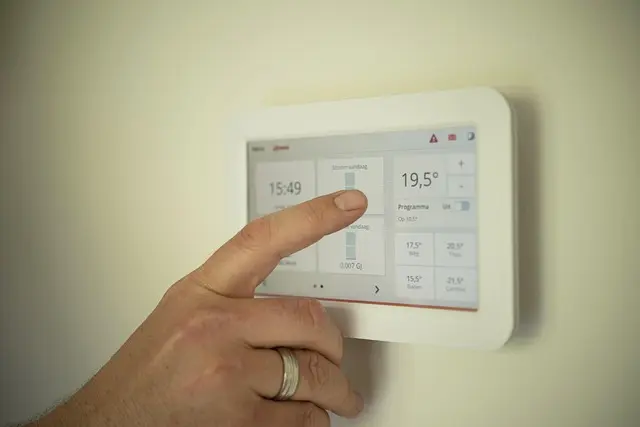
Smart home devices simplify household management in various ways. Firstly, they automate mundane tasks that consume time and energy. For instance, smart thermostats like those monitored through mobile applications adjust temperatures according to user habits, saving energy and costs. Dwellings equipped with smart lighting systems can be programmed to turn on and off at specific times, reducing energy waste.
Moreover, devices such as robotic vacuum cleaners and smart dishwashers take away the burden of cleaning and chores. Users can program these devices to work while they are out, thus ensuring an efficient use of time. Automation not only saves effort but also enhances energy efficiency, as many smart appliances are designed to consume less power once integrated into a smart home system.
For a household looking to enforce such management solutions, investing in selected smart devices could herald significant changes in lifestyle — making it easier and more enjoyable to maintain a neat, functional home.


A Step-by-Step Guide to Choosing Smart Home Devices
When considering the installation of smart home devices, a step-by-step approach can help ease the transition.
Step 1: Identify Your Needs
Begin by assessing which tasks consume the most time. Would your household benefit from automatic lighting, a smart security system, or appliances that manage cooking and cleaning?
Step 2: Research Smart Products
Look into various options within each category of smart devices. This can include reading reviews on sites like Les Numériques or 60 Millions de Consommateurs that provide insights on the performance and efficiency of these products.
Step 3: Check Compatibility
Before purchasing, ensure that the devices you are considering are compatible with your current home network and other smart devices. Most systems work best when they share a common protocol, such as Zigbee or Z-Wave.
Step 4: Installation
Decide whether you would prefer professional installation or if you’re comfortable doing it yourself. Many systems offer simple step-by-step guides to assist in setup.
Step 5: User Training
Once installed, take time to familiarize yourself and your family with the new technology. Utilize instructional videos and resources to maximize the potential of your smart home setup.
By following these steps, households can seamlessly integrate smart device technology into their lifestyle, effectively simplifying daily routines and management tasks.
Comparing Popular Smart Home Devices
When establishing which smart devices might best suit your household, comparing various options can help clarify the decision-making process. Below is a comparison between three popular categories: smart security cameras, smart lighting, and smart thermostats.
| Feature/Device | Smart Security Camera | Smart Lighting | Smart Thermostat |
|---|---|---|---|
| Ease of Installation | Medium | Easy | Medium |
| Cost Range | $$ | $ | $$ |
| Energy Efficiency | N/A | High | Very High |
| Automation Features | Motion Detection | Timed Schedules | Learning Algorithms |
| Recommended For | Home Security | Convenience | Energy Management |
Data-Driven Insights on Smart Home Trends
The demand for smart home devices is rapidly increasing. Research by Statista found that the global market size for smart home technology is projected to exceed $175 billion by 2025. Data collected from UFC-Que Choisir noted that households employing smart devices saw an average reduction of 30% in their energy bills.
Additionally, studies have shown that smart homes are not only more energy-efficient but also capable of enhancing the quality of life for their inhabitants. As the technology continues to evolve, more innovative features are expected to emerge, pushing the boundaries of what our homes can achieve.
Expert Opinion on Smart Home Management
> 💡 Expert Opinion: Engaging with smart home devices can dramatically reshape how we manage our households today. The user experience can vary widely. Hence, conducting thorough research and opting for high-quality products is vital to ensuring a beneficial outcome. Regular updates and customer support are crucial for maintaining device functionality and satisfaction long-term.
Q1: What are the best smart devices for beginners?
A: Smart speakers, smart plugs, and basic smart bulbs are excellent starting points for beginners as they offer essential features and ease of use.
Q2: Are smart home devices secure?
A: While most smart devices come equipped with security features, it’s essential to regularly update them and secure your home network to protect against potential vulnerabilities.
Q3: Do smart home devices work during power outages?
A: Many smart devices require constant power to function; however, some have battery backup options to maintain essential features temporarily.
Q4: How can smart devices improve energy efficiency?
A: Smart devices optimize energy usage by adjusting their operation based on user habits, reducing waste and lowering utility bills.

WHALL - 4-in-1 UV Mattress Vacuum Cleaner, 21KPa Anti-Mite Bed Vacuum with Hot Air & LED Display
bestbuy.com


Checklist Before Purchase
- [ ] Assess household needs
- [ ] Research device options
- [ ] Ensure compatibility with existing systems
- [ ] Decide on installation method (DIY or professional)
- [ ] Train users on device functionality
Glossary
| Term | Definition |
|---|---|
| IoT (Internet of Things) | A network of connected devices that can communicate and exchange data. |
| Automation | The use of technology to perform tasks with minimal human intervention.
| Smart Hub | A central device that connects and controls various smart home gadgets.
📺 Resource Video
> 📺 For a deeper understanding: Explore how to set up smart home devices, a comprehensive guide you can find on YouTube by searching for: "smart home device setup 2026".
Discover our curated selection of smart home devices below to enhance your household management experience.
📺 Pour aller plus loin : how to set up smart home devices 2026 sur YouTube
Recommended products
Selected by our experts