Table of Contents (9 sections)
In today's fast-paced world, smart home devices have emerged as indispensable tools that are reshaping the way we manage our daily chores. They offer innovative solutions that enhance convenience and efficiency, enabling homeowners to simplify their lives and maximize their time. From automated cleaning systems to smart kitchen appliances, these devices are not just tech gadgets but essential components of modern household management.
Understanding Smart Home Devices
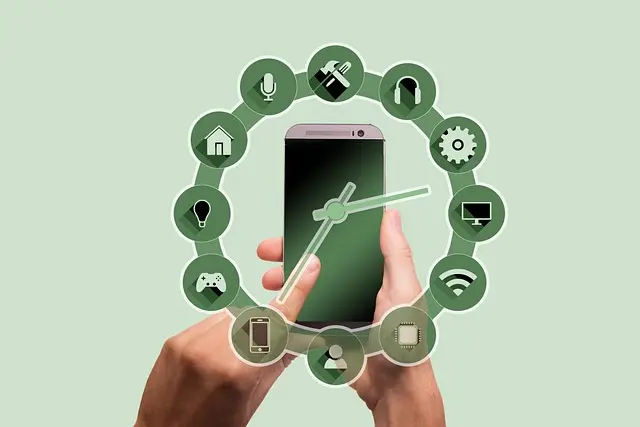
Smart home devices can be defined as internet-connected devices that enhance home appliances and systems, allowing users to control them remotely or program them to perform certain tasks automatically. This technology encompasses a wide range of products, including smart thermostats, security cameras, lighting systems, and even kitchen appliances like smart refrigerators and ovens. These systems utilize the Internet of Things (IoT), allowing different devices to communicate with each other and with the user, creating a seamless and integrated home experience.
Why are these devices so popular? The primary appeal lies in their ability to streamline daily tasks, save time, and provide greater control over one’s environment. For instance, a smart thermostat enables homeowners to adjust their heating or cooling remotely, significantly enhancing energy efficiency and comfort. As people continue to seek ways to improve their quality of life, the trend towards adopting smart home technology is set to continue growing.
How Smart Home Devices Simplify Chores
One of the standout features of smart home technology is its capacity to automate tedious household chores. Take, for example, robotic vacuum cleaners. These devices can be programmed to clean floors autonomously, saving time and effort for the homeowner. According to a report from Statista, the robotic vacuum cleaner market is projected to reach $35 billion by 2027, underscoring their increasing prevalence in households.
By integrating smart home devices, households can manage cleaning schedules through a mobile application, ensuring that tasks are completed even when family members are away. Additionally, smart dishwashers can automatically detect the level of dirt on dishes and adjust their cleaning cycles accordingly. This level of customization not only saves time but also conserves water and energy — a winning combination for cost-conscious homeowners.
Practical Tips for Implementing Smart Home Devices
Transitioning to a smart home doesn’t have to be daunting. Here’s a practical approach to getting started with smart home devices:
- Conduct a Needs Assessment: Identify which chores take up the most time in your household. Is it cleaning, cooking, or managing the climate control?
- Research Compatible Devices: Ensure that the devices you choose are compatible with each other and can be integrated into a single platform, such as Google Home or Amazon Alexa.
- Start Small: It’s wise to begin with one or two devices and gradually expand your collection. Start with a smart speaker or lighting system, and see how they fit into your lifestyle before investing in more complex devices.
- Ensure Security: When embracing smart technology, ensure that your devices have updated security features. This is essential to protect your network from potential cybersecurity threats.
- Stay Updated: Since technology is always evolving, keeping your devices updated with the latest software will ensure optimal performance and security.
Comparative Analysis of Popular Smart Home Devices
Smart home devices come in various brands and functionalities. Below is a comparative table that outlines some popular options based on critical features to consider during selection:
| Feature | Device A | Device B | Device C | Verdict |
|---|---|---|---|---|
| Energy Efficiency | High | Medium | High | Devices A and C perform better in saving energy compared to B. |
| User Rating | 4.5/5 | 3.5/5 | 4.8/5 | Device C is highly rated for user satisfaction. |
| Price | $299 | $199 | $349 | Device B is the most affordable option. |
As technology continues to advance, the future of smart home devices looks promising. 5G technology is expected to enhance the performance and capabilities of these devices significantly. With faster data transmission, smart devices can communicate more effectively, leading to quicker reactions and more personalized home automation experiences.
Moreover, artificial intelligence (AI) is becoming more sophisticated, enabling devices to learn user preferences and adapt accordingly. For example, smart security cameras with AI capabilities can distinguish between family members and strangers, providing enhanced security features that prioritize user safety. As we progress through 2026, we can expect even more groundbreaking innovations in the realm of smart home technology.
💡 Expert Opinion: Experts suggest that integrating smart home devices can significantly boost one’s quality of life by reducing daily stressors and automating repetitive tasks. The shift towards more interconnected and intelligent homes reflects not just a trend, but a fundamental change in the way we manage our living environments. By embracing these technologies, households can enjoy increased efficiency and convenience.
Frequently Asked Questions (FAQ)
Q: What are the primary benefits of smart home devices?
A: Smart home devices offer increased convenience, energy efficiency, and enhanced security, allowing homeowners to manage tasks easily.
Q: How do smart home devices communicate with each other?
A: They typically connect through a wireless internet connection, enabling them to send and receive data, often through a central hub or app.
Q: Are smart home devices safe?
A: While they can be secure, it is crucial to keep software updated and use strong passwords for your devices to mitigate security risks.
Q: Can I control smart home devices remotely?
A: Yes, most smart home devices can be controlled through mobile apps from anywhere with internet access, offering unparalleled convenience.
Glossary
| Terme | Définition |
|---|---|
| IoT (Internet of Things) | Réseau d'objets physiques connectés à Internet pour collecter et partager des données. |
| Smart Thermostat | Dispositif permettant de contrôler la température de la maison à distance pour économiser de l'énergie. |
| Robotic Vacuum | Aspirateur autonome capable de nettoyer les sols sans intervention humaine. |
Checklist avant achat
- [ ] Déterminer le type de tâches à automatiser
- [ ] Vérifier la compatibilité des appareils
- [ ] Lire des avis d'utilisateurs
- [ ] Comparer les prix et fonctionnalités
- [ ] Évaluer les options de sécurité des appareils
📺 Pour aller plus loin: Explore smart home technology in-depth with tutorials and product reviews on YouTube. Search: "smart home devices 2026 guide".
In conclusion, the rise of smart home devices is revolutionizing how we manage and perform daily tasks. By embracing this technology, homeowners can enjoy a more efficient, secure, and comfortable living environment. Explore the various smart devices on the market today to find the best fit for your needs!
Below, we have selected several products that can enhance your smart home experience.
📺 Pour aller plus loin : Smart Home Guide 2026 - What to Buy, Platform Updates, and More! sur YouTube
Recommended products
Selected by our experts