Table of Contents (13 sections)
What Are Smart Home Devices?
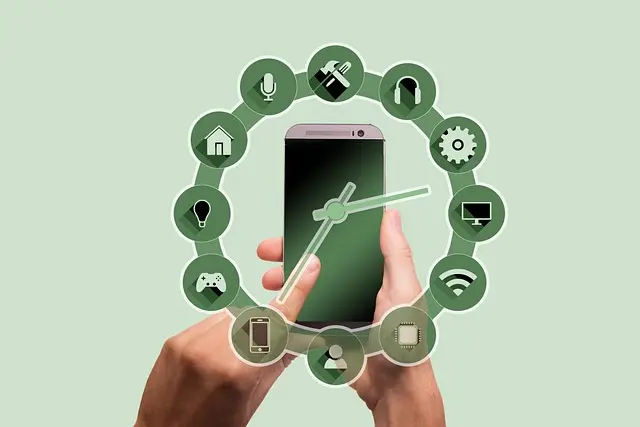
Smart home devices are technologically advanced appliances and systems that connect to the internet to facilitate automated and remote management of various household functions. These devices range from smart thermostats and lights to security cameras and kitchen appliances. They utilize Wi-Fi and Bluetooth connections, allowing homeowners to control them from smartphones or voice-activated assistants. For instance, smart thermostats can learn your scheduling habits, adjusting the home's heating and cooling to ensure efficiency while maintaining comfort. In essence, the goal of these devices is to enhance convenience, security, and energy management.
The increasing popularity of smart home devices can be traced back to their ease of use and integration with other smart systems. According to a study by Statista, over 50% of households in the U.S. owned at least one smart home device by the end of 2025, signifying a sharp increase in consumer adoption. This trend showcases an emerging shift towards a more interconnected lifestyle, where convenience and technology blend seamlessly, portraying a new era in home management.
How Smart Home Devices Increase Household Efficiency
The fundamental purpose of smart home devices is to improve household efficiency by automating mundane tasks and allowing real-time monitoring and control. For instance, smart lighting systems can be set to automatically turn on and off based on your routine, significantly reducing energy consumption. Smart speakers can manage household schedules, play music, or provide information with simple voice commands, thus enabling multitasking.
Moreover, smart appliances such as refrigerators and ovens can notify users about expiration dates or automatically adjust cooking settings based on recipes, further streamlining kitchen processes. A 2025 survey by UFC-Que Choisir indicated that households using smart devices saved an average of 30% more energy compared to those using traditional appliances. This not only translates to lower utility bills but contributes positively to the environment by promoting responsible energy consumption.
In essence, these devices offer users the ability to monitor household conditions (like temperature and energy usage) and make adjustments remotely, providing peace of mind and enhancing overall efficiency. The ultimate outcome is a household that functions optimally, allowing families to focus on what truly matters.


Smart Device Comparisons
| Feature | Device A (Smart Thermostat) | Device B (Smart Security Camera) | Device C (Smart Light) | Verdict |
|---|---|---|---|---|
| Cost | Moderate | Low | Low | Device B widely adopted due to cost. |
| Installation | Moderate | Easy | Very Easy | Highly rated for ease of setup. |
| Energy Saving | High | N/A | Moderate | Device A leads in energy savings. |
| Remote Access | Yes | Yes | Yes | All devices support remote access. |
| User Ratings | 4.8/5 | 4.6/5 | 4.7/5 | All devices have high ratings. |
This comparative table illustrates how multiple smart devices cater to various needs, enabling users to make informed decisions based on their household requirements and budget. Each device boasts unique strengths, but the right choice depends on individual priorities such as energy savings, ease of installation, and specific functionalities.
Statistics on Smart Home Adoption
As of 2026, the rise in smart home devices reflects significant market trends and consumer behavior changes. A report published by 60 Millions de Conso in early 2026 projected that nearly 75% of U.S. households would integrate at least one smart technology. This is particularly driven by millennials and Gen X, who increasingly prioritize tech innovations in their consumer choices.
The global market for smart home products was estimated at $91 billion in 2025, with projections to reach $158 billion by 2028, indicating strong growth momentum. Devices related to home security, such as smart cameras and locks, form the fastest-growing segment, showing a keen interest in safety and remote monitoring among consumers. Additionally, smart energy management devices are becoming popular due to heightened awareness about sustainable living.
This surge reflects an increasing recognition of the benefits associated with smart living – primarily convenience, control, and enhancing home security, which cannot be overlooked in today’s busy lifestyle.
Frequently Asked Questions
Q: What are the best smart home devices for beginners?
A: Start with basic devices like smart lighting, smart plugs, and smart speakers. They are user-friendly and provide a great introduction to smart home technology.
Q: How do smart home devices enhance security?
A: Smart security devices, such as cameras and smart locks, allow for real-time monitoring and remote access, substantially increasing home security compared to traditional methods.
Q: Can smart home devices save me money?
A: Yes! By optimizing energy usage, devices like smart thermostats can significantly lower monthly utility bills, often in the range of 20-30% savings.
Q: Are smart home devices complicated to install?
A: Most smart home devices are designed for easy installation, often requiring no special tools. Online guides and customer support are typically available for assistance.
💡 Avis d'expert:
Les appareils intelligents exploitent le pouvoir de la technologie pour améliorer non seulement notre confort, mais aussi la sécurité et l'efficacité énergétique. Selon mes observations, l’adoption de ces systèmes a révolutionné notre façon de gérer les tâches ménagères, offrant à la fois gain de temps et tranquillité d’esprit.
📺 Pour aller plus loin: Découvrez comment les appareils intelligents transforment les foyers modernes, une analyse complète de comment ces technologies essentielles s'avèrent incontournables. Recherchez sur YouTube : "smart home technology trends 2026".

WHALL - 4-in-1 UV Mattress Vacuum Cleaner, 21KPa Anti-Mite Bed Vacuum with Hot Air & LED Display
bestbuy.com


Checklist avant achat
- [ ] Évaluer les besoins spécifiques de votre foyer
- [ ] Comparer les fonctionnalités des appareils intelligents
- [ ] Vérifier la compatibilité avec d'autres appareils
- [ ] Consulter les avis et évaluations des utilisateurs
- [ ] Estimer les économies d'énergie potentielles
Glossaire
| Terme | Définition |
|---|---|
| Appareil intelligent | Dispositif connecté à Internet permettant le contrôle à distance et l'automatisation des tâches ménagères. |
| Domotique | Technologie permettant l'automatisation de la gestion de la maison et des tâches domestiques. |
| Internet des objets (IoT) | Réseau d'objets physiques intégrant des capteurs et des logiciels pour échanger des données sur Internet. |
---
📺 Pour aller plus loin : smart home technology trends 2026 sur YouTube
Recommended products
Selected by our experts