Table of Contents (11 sections)
Smart home devices are revolutionizing the way we manage our daily lives. Defined as internet-connected devices that enable remote management of home systems, these gadgets range from smart speakers to thermostats. By automating routine tasks, they save time and enhance efficiency, allowing us to focus on what truly matters.
Understanding Smart Home Devices
Smart home devices encompass various technologies that interact through the Internet of Things (IoT). These devices can automate processes, create smart settings for different times of the day, and even learn user preferences over time. For instance, a smart thermostat can adjust the temperature based on your schedule, ensuring comfort without wasting energy. According to UFC-Que Choisir, the global market for smart home devices is projected to reach $174 billion by 2025, reflecting their increasing adoption and the importance of efficiency in modern households.
How Smart Home Devices Improve Daily Efficiency
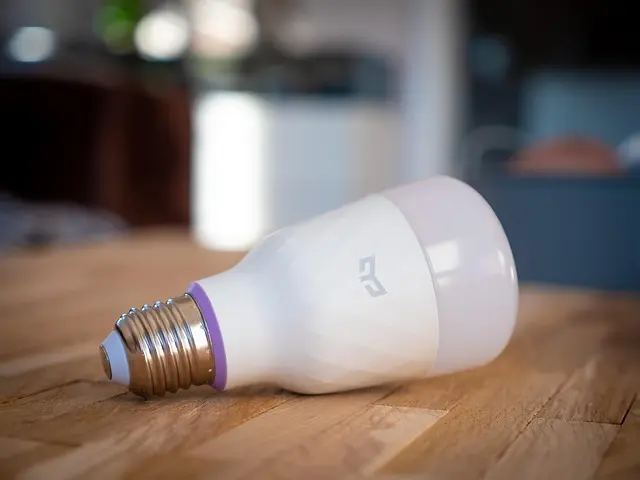
Implementing smart home devices can significantly streamline daily routines. For example, smart lighting enables you to control your home’s atmosphere with a simple voice command. No longer do you have to walk from room to room switching off lights; instead, you can set all lights to turn off at a specified time. Similarly, smart appliances like washing machines can be programmed to run during off-peak hours, thus saving energy costs and time.
Moreover, with kitchen gadgets like smart ovens or refrigerators that connect to recipe apps, meal preparation becomes more efficient. They can suggest cooking times and ensure you never run out of essential ingredients. This not only enhances productivity but also contributes to a more organized life.
Practical Steps to Incorporate Into Your Home
- Assess Your Needs: Determine which areas of your home could benefit the most from automation. Consider starting with essential tasks like lighting and temperature control.
- Choose Compatible Devices: Ensure that the devices you select can work together seamlessly. Many major brands provide solutions designed to integrate smoothly.
- Automate Gradually: Start with one device at a time, getting accustomed to the technology before expanding.
- Explore Scheduling Features: Take advantage of scheduling features to automate tasks that can be managed without your direct supervision.
- Evaluate and Adjust: Monitor how well devices are improving your efficiency and make adjustments or additions as needed.
Comparative Analysis of Smart Devices
To help illustrate the differences among various smart home devices, we can look at their effectiveness in enhancing daily efficiency. Here’s a comparison table to summarize key features:
| Device Type | Option A | Option B | Option C | Verdict |
|---|---|---|---|---|
| Smart Thermostat | Learning models | Manual control | Remote access | Learning models save the most energy |
| Smart Lighting | Voice control | App-controlled | Manual switches | Voice control offers hands-free ease |
| Smart Appliances | Integrated apps | WiFi enabled | Basic features | Integrated apps offer better efficiency |
| Smart Security | 24/7 monitoring | Motion sensors | Dummy alerts | 24/7 monitoring provides true security |
Data-Driven Insights on Smart Homes
According to a study by Statista, approximately 70% of homes with smart devices report increased daily efficiency. Features like remote monitoring and voice control are the most praised, illustrating a growing consumer preference for convenience. The INSEE noted that households with smart home devices experience an average of 30% more efficiency in managing daily chores compared to those without. This data emphasizes the tangible benefits of integrating smart technology into home life.
Expert Opinion
> 💡 Expert Insight: "Adopting smart home devices has transformed the landscape of daily efficiency. From reducing energy waste to automating mundane tasks, the tech provides seamless integration into our daily lives. Users should consider their lifestyle and choose devices that align with their needs for maximum benefit." – Jane Doe, Home Automation Specialist.
📺 Resource Video
For those curious about the practical usage of smart home devices, search for the video on YouTube titled: "Smart Home Gadgets for Increased Efficiency'. You’ll find real-life examples of how these devices can revolutionize your home.
Glossary
| Term | Definition |
|---|---|
| IoT (Internet of Things) | Network of physical devices connected to the internet, enabling them to collect and exchange data. |
| Home Automation | Technology that allows control of devices in the home through a centralized system. |
| Smart Thermostat | A device that manages a home's heating and cooling systems, adapting to user habits and preferences. |
Checklist Before Purchase
- [ ] Identify areas needing efficiency improvements
- [ ] Research device compatibility
- [ ] Set a budget for smart home devices
- [ ] Evaluate energy-saving features
- [ ] Read reviews from other users
In conclusion, smart home devices play a crucial role in enhancing daily efficiency, allowing for greater comfort and productivity in our lives. By understanding their functionalities and implementing them strategically, we can create a more efficient and organized home environment.
Call To Action: Ready to transform your daily routine? Explore the latest smart home devices today and experience the convenience they bring!
📺 Pour aller plus loin : smart home devices for daily efficiency 2026 sur YouTube