Table of Contents (17 sections)
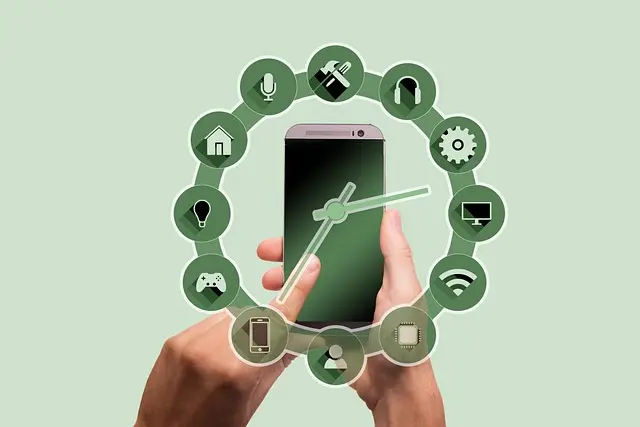
In recent years, smart home devices have transformed the way we live, making our daily tasks more efficient and enjoyable. These technological advancements not only provide convenience but also help in energy management, security, and overall quality of life. By integrating IoT (Internet of Things) devices into our homes, we can streamline activities ranging from temperature control to home security, creating a seamless living environment that responds to our needs.
What Are Smart Home Devices?
Smart home devices are interconnected gadgets that enable users to automate and control household functions via a smartphone or centralized system. These devices often include smart lights, thermostats, locks, cameras, and speakers, all working together to enhance domestic efficiency. According to a survey by the Consumer Technology Association, over 60% of U.S. households have at least one smart home device, demonstrating their growing popularity and importance in everyday life.
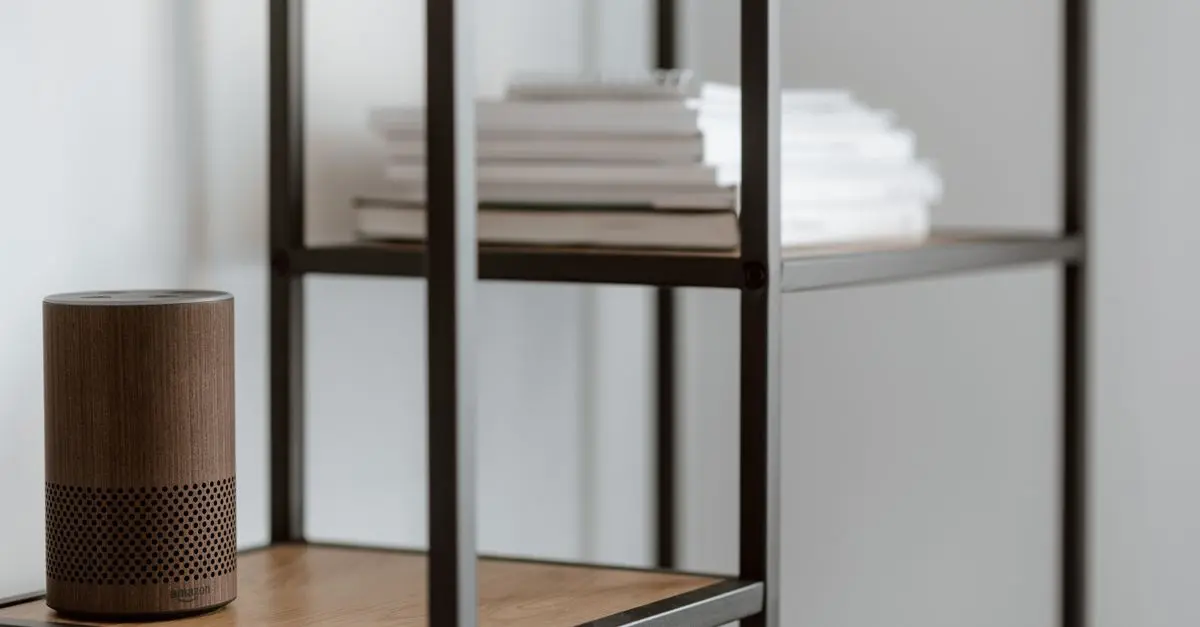
The beauty of these devices lies in their ability to learn user preferences and routines, adapting to individual lifestyles over time. For example, smart thermostats can learn when to adjust temperatures based on a family's schedule, ensuring comfort while conserving energy. Furthermore, the integration of voice assistants like Amazon Alexa or Google Assistant allows for hands-free control, enhancing convenience while minimizing time spent on mundane tasks.
Benefits of Smart Home Devices for Household Efficiency
Time Management
One of the most significant advantages of smart home devices is the improvement of time management. Devices such as programmable coffee makers and smart ovens can be set to operate at specific times, ensuring that meals and drinks are ready exactly when needed. This level of automation allows families to spend less time on daily chores and more time connecting with each other.
Energy Efficiency
Smart home devices also enhance energy efficiency, an increasingly crucial consideration in modern households. According to the U.S. Department of Energy, smart thermostats can save homeowners up to 10-15% on heating and cooling bills. Devices equipped with energy monitoring capabilities can help in tracking usage, leading to informed decisions about energy consumption. For instance, smart plugs can schedule when devices turn on or off, further reducing unnecessary energy waste.
Enhanced Security
With smart security devices like cameras, alarms, and smart locks, homeowners can monitor their properties remotely and receive alerts on suspicious activities. This increased security provides peace of mind and the ability to respond quickly to potential threats. A recent report by Statista found that 50% of consumers invest in smart security systems primarily for the increased safety they offer.


How to Set Up a Smart Home
Setting up a smart home involves a few essential steps:
- Choose Your Network: Ensure you have a robust Wi-Fi network to facilitate communication between devices. Consider investing in a high-capacity router to support multiple devices concurrently.
- Select Compatible Devices: Consider devices that can be linked together through a single app. Popular platforms include Google Home and Apple HomeKit, which allow for easy device management.
- Install & Configure: Follow manufacturer instructions to install devices and configure them through the respective apps. Ensure all devices are connected to the same network for seamless interoperability.
- Customize Settings: Tailor settings to match your lifestyle needs—program schedules for lights, thermostats, and any automated tasks that suit your daily routine.
- Continual Optimization: Review device performance regularly to optimize settings and ensure they are meeting intended efficiency goals.
Comparative Analysis of Popular Smart Home Devices
| Device Type | Smart Thermostat | Smart Security Camera | Smart Speaker | Smart Light Bulb |
|---|---|---|---|---|
| Key Feature | Automated scheduling | Remote monitoring | Voice activation | Color customization |
| Energy Savings | Up to 15% | N/A | N/A | N/A |
| Cost Range | $100 - $300 | $50 - $200 | $30 - $200 | $15 - $50 |
| Integration | Smart home systems | Smart home systems | Works with various apps | Works with various apps |
| User Satisfaction | 85% satisfied users | 80% satisfied users | 90% satisfied users | 75% satisfied users |
From energy conservation to enhanced living experience, understanding the differences between devices helps users make informed choices based on their needs and preferences.
Expert Opinion
> 💡 Expert Insight: Implementing smart home technologies can not only improve daily activities but can also promote sustainability. A report from McKinsey & Company suggests that the adoption of smart home technologies can reduce household energy consumption by up to 20%, contributing positively to the environment.
Checklist before Purchasing Smart Home Devices
- [ ] Determine your primary needs (security, efficiency, convenience).
- [ ] Research device compatibility with existing home systems.
- [ ] Read user reviews and ratings for performance insights.
- [ ] Consider installation requirements for each device.
- [ ] Evaluate the energy-saving potential of devices.


WHALL - 4-in-1 UV Mattress Vacuum Cleaner, 21KPa Anti-Mite Bed Vacuum with Hot Air & LED Display
bestbuy.com

FAQs
What are the most popular types of smart home devices?
Smart home devices vary widely, with popular types including smart thermostats, security cameras, speakers, and lighting solutions.
How do smart home devices save energy?
They save energy by optimizing usage through automation and remote management, allowing users to monitor and adjust energy consumption effectively.
Are smart home devices safe?
While most smart home devices are designed with security features, it's critical to follow best practices for password management and network security to prevent unauthorized access.
How can I integrate different smart devices?
Most smart devices can be integrated using platforms like Google Home or Amazon Alexa, which allow for central control and communication between devices.
📺 For further information: Understanding Smart Home Technologies, explore various features and options by searching on YouTube for "smart home device setup 2026".
Glossary
| Term | Definition |
|---|---|
| IoT (Internet of Things) | A network of interconnected devices that communicate and exchange data with each other. |
| Smart Thermostat | A device that automatically controls home heating and cooling systems for improved efficiency. |
| Home Automation | The use of smart technology to control various aspects of home life remotely or automatically. |
---
📺 Pour aller plus loin : how to set up smart home devices 2026 sur YouTube
Recommended products
Selected by our experts