Table of Contents (18 sections)
In today’s world, energy efficiency has become a critical topic as households aim to reduce both their environmental impact and their monthly utility bills. One of the most promising solutions is the integration of smart home devices. These technologies not only provide convenience and comfort but also play a pivotal role in enhancing energy efficiency throughout the home. This blog post explores the various ways smart home devices contribute to energy savings, helping you create a more sustainable household.
What are Smart Home Devices?
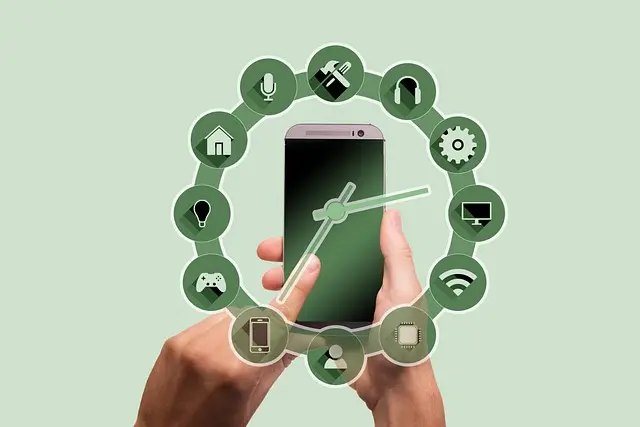
Smart home devices refer to a range of internet-connected gadgets designed to improve household functionality and automate tasks. They include smart thermostats, smart lights, energy-efficient appliances, and home automation systems. These devices can be controlled remotely via smartphones, tablets, or voice-activated systems, making them versatile and user-friendly.
According to an estimate by Statista, the global smart home market is projected to reach approximately $174 billion by 2025. This rapid growth indicates an increased consumer interest in smart technologies. With these devices, homeowners can not only monitor their energy use but also optimize it based on their daily routines. For instance, a smart thermostat can learn your schedule and automatically adjust heating and cooling settings when you are away from home. This results in significant energy savings, which, according to the U.S. Department of Energy, can be as much as 10-30% on energy bills.
How Smart Home Devices Save Energy
Smart home devices enhance energy efficiency by enabling various functionalities that help reduce energy consumption.
Smart Thermostats
One of the most popular types of smart home devices is the smart thermostat. Unlike traditional thermostats, which require manual adjustments, smart thermostats can automatically learn your patterns and preferences. For example, devices like the Nest Learning Thermostat and Ecobee can detect when you are home or away, adjusting the heating or cooling accordingly. This capability can lead to significant cost savings. Studies have shown that homeowners can save an average of 23% annually on heating and cooling costs just by using a smart thermostat.
Smart Lighting
Another notable example is smart lighting. Smart bulbs can be programmed to turn off when the last person leaves a room or adjust brightness based on ambient light conditions. Philips Hue and LIFX smart bulbs allow users to control lighting from their smartphones, set schedules, and create scenes that enhance comfort while conserving electricity. Additionally, they often use LED technology, which is more energy-efficient than traditional incandescent bulbs.
Energy Monitoring Devices
Devices like smart plugs and energy monitors provide real-time data on energy consumption. For instance, devices such as the TP-Link Kasa Smart Plug can track how much energy each appliance uses. This information can encourage homeowners to make informed decisions about their energy consumption habits, turning off devices when they are not in use or investing in more energy-efficient alternatives.
Smart Home Devices vs. Traditional Devices
To illustrate the practical advantages of smart home devices over traditional ones, we can look at a comparative table:
| Feature | Smart Thermostats | Traditional Thermostats | Smart Lights | Traditional Lights |
|---|---|---|---|---|
| Automation | Yes | No | Yes | No |
| Learning Capability | Yes | No | N/A | N/A |
| Remote Control | Yes | No | Yes | No |
| Energy Reporting | Yes | No | Yes | No |
| Cost Savings | 10-30% | N/A | 75% (LED) | N/A |
Benefits of Energy Efficiency through Smart Devices
Integrating smart home devices not only contributes to energy savings but also fosters a healthier living environment. For instance, many smart devices come with features that help maintain indoor air quality, such as smart humidifiers and purifiers. According to studies by EPA, poor air quality can significantly affect health, making these devices valuable for both comfort and well-being.
Environmental Impact
Reducing energy consumption directly contributes to decreased carbon emissions. As households become more energy-efficient through smart technologies, they play a crucial role in combating climate change. The International Energy Agency (IEA) states that energy efficiency improvements can reduce global energy demand by 30% by 2040, highlighting the substantial potential of broad adoption of smart home technologies.
Expert Opinions on Energy Efficiency
> 💡 Expert Opinion: As a sustainability consultant, I've seen firsthand how smart home devices can transform energy consumption patterns. It's crucial to educate homeowners on the benefits these devices bring, from cost savings to a lower carbon footprint. Investing in smart technology not only pays off in savings but fosters a more sustainable community practice.
📺 Resource Video
📺 To go further: [How Smart Home Devices Can Save Energy], an in-depth dive into today's most efficient technologies. Search on YouTube: "how smart home devices enhance energy efficiency"
What are the top smart home devices for energy efficiency?
The top smart home devices include smart thermostats, smart lighting, and energy monitoring systems. Each of these technologies provides ways to manage and reduce energy consumption effectively.
How much can I save by using smart home devices?
Homeowners can save roughly 10-30% on their heating and cooling costs by utilizing smart thermostats alone. Exact savings will vary based on usage patterns and device efficiency.
Are smart home devices compatible with existing home systems?
Most smart home devices are designed to work with existing home systems. However, compatibility may depend on the age and type of the current setup. It's advisable to check compatibility with products before purchase.
Do smart home devices require a lot of maintenance?
Generally, smart home devices require minimal maintenance, primarily software updates and occasional battery replacements. Regular use can prevent issues and ensure optimal performance.
Glossary
| Term | Definition |
|---|---|
| Smart Home Devices | Gadgets and appliances that connect to the internet to enable remote management and control. |
| Energy Efficiency | The goal of reducing energy consumption while maintaining the same level of energy output. |
| Smart Thermostat | A digital thermostat that can automatically adjust heating and cooling based on learned patterns and preferences. |
Checklist before Purchase
- [ ] Determine compatibility with existing systems.
- [ ] Assess potential energy savings.
- [ ] Look for user-friendly interfaces.
- [ ] Check if remote control is available.
- [ ] Review customer feedback and expert ratings.
In conclusion, smart home devices not only enhance energy efficiency but also create a more comfortable living environment. Embracing these technologies will help reduce consumption and foster sustainability. Take the plunge into smart technology today, and you may be surprised at how it transforms not only your home but also your energy bills!
📺 Pour aller plus loin : how smart home devices enhance energy efficiency sur YouTube