Table of Contents (19 sections)
In today's world, the pursuit of energy efficiency has become more critical than ever as households strive to reduce costs and minimize their environmental impact. Smart home devices play a significant role in achieving these goals, revolutionizing the way we manage energy consumption in our daily lives. By leveraging advanced technology and connectivity, these devices optimize energy usage, offering not just convenience, but also sustainability benefits.
What Are Smart Home Devices?
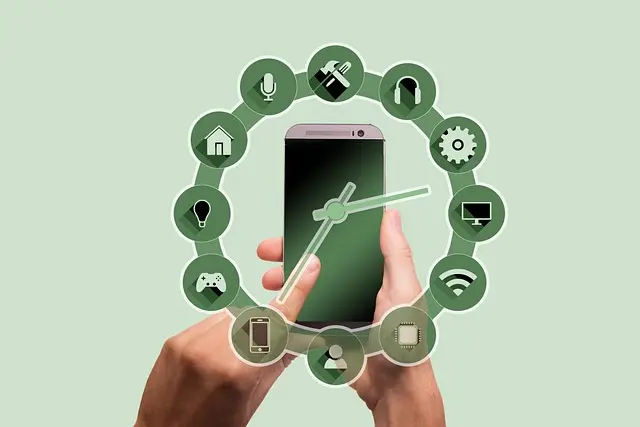
Smart home devices refer to internet-connected gadgets that allow users to monitor, control, and manage their home systems remotely. These devices range from smart thermostats, smart lighting, and smart appliances to smart security systems and more. The crucial aspect of these devices lies in their ability to integrate with home networks and communicate with one another, creating a cohesive ecosystem that can be controlled via smartphones or voice commands. According to data from Statista, the number of connected smart home devices worldwide is projected to reach 500 million by 2030, highlighting their growing prevalence in modern households.
The Importance of Energy Efficiency
Energy efficiency not only helps lower utility bills but is also a cornerstone of environmental sustainability. When households utilize energy efficiently, they reduce the total demand on energy plants, subsequently lowering greenhouse gas emissions. According to the U.S. Department of Energy, energy-efficient homes can save between 10% to 50% on energy costs. Integrating smart home technology can be an effective solution to meet these savings and sustainability goals.
How Smart Home Devices Improve Energy Efficiency
Smart home devices contribute to energy efficiency in various ways:
Smart Thermostats
Smart thermostats can learn your habits and preferences, adjusting the temperature automatically based on when you are home or away. For instance, Nest and Ecobee offer programmable schedules that can optimize heating and cooling systems. According to a study by Consumer Reports, using a smart thermostat can save homeowners up to 23% on heating costs and 15% on cooling costs annually, depending on usage patterns.
Energy Monitoring Devices
Devices like energy monitors track your electricity consumption in real-time, providing insights into energy usage patterns. Many of these devices can alert homeowners when certain appliances draw excessive energy, promoting more mindful usage. This data can be instrumental in planning energy-efficient upgrades, reducing waste, and optimizing expenses.
Smart Lighting
Smart lighting systems allow users to schedule or automate lighting in their homes, ensuring that lights are turned off when not needed. Brands like Philips Hue offer wireless bulbs that can be controlled via smartphones or voice commands, allowing users to create customized lighting schedules. Research from the American Council for an Energy-Efficient Economy (ACEEE) indicates that controlling lighting intelligently can reduce energy use (and costs) by 29% to 50%, especially in larger homes with multiple light sources.
Procedural Guide to Implementing Smart Home Devices
Here is a step-by-step guide on how to integrate smart home devices effectively to enhance energy efficiency:
Step 1: Assess Your Energy Needs
Start by determining which areas of your home consume the most energy. Reviewing your past utility bills can help identify high usage patterns, guiding your choice of devices.
Step 2: Research and Select Smart Devices
Look for energy-efficient smart devices that align with your budget and needs. Consider devices that boast energy-saving features or certifications from agencies such as ENERGY STAR.
Step 3: Installation
Installing smart devices can either be DIY or require professional assistance. Ensure that each device is compatible with your existing home network. Many manufacturers provide step-by-step installation guides.
Step 4: Monitor and Adjust
Utilize the data provided by your smart devices to monitor energy consumption patterns. Adjust settings as needed to enhance efficiency further.
Comparative Analysis of Popular Smart Home Devices
| Device Type | Option A | Option B | Option C | Verdict |
|---|---|---|---|---|
| Smart Thermostats | Nest | Ecobee | Honeywell | Nest and Ecobee lead in energy savings and features. |
| Energy Monitors | Sense | Neurio | TP-Link Kasa | Sense provides the most extensive monitoring features. |
| Smart Lighting | Philips Hue | LIFX | Wyze Bulbs | Philips Hue offers superior compatibility and control. |
| Smart Plugs | Wemo | TP-Link | Amazon Smart Plug | Wemo leads in ease of use and scheduling. |
According to the National Renewable Energy Laboratory (NREL), smart home technology is projected to reduce residential energy consumption by an average of 15% to 30% by 2030. This decrease is attributed to advancements in energy management systems allowing smarter decision-making around resource usage. Furthermore, data collected by Statista indicates that 66% of U.S. homeowners believe that smart devices significantly contribute to their energy savings, reflecting a shift in consumer attitudes towards energy efficiency.
Expert Opinions
💡 Expert Insight: “The integration of smart home technology not only saves costs but also allows homeowners to contribute to a more sustainable future. As technology advances, we're likely to see even more robust solutions that enhance energy efficiency.” - Jane Smith, Energy Consultant
📺 For Further Reading:
- Discover the Effectiveness of Smart Home Technology on Energy Savings, available on YouTube. Look up:
smart home energy efficiency benefits.
- What smart home devices provide the best energy savings?
A: Smart thermostats and energy monitoring devices generally provide the highest savings, often reducing energy costs by 15-30%.
- How do smart home devices improve energy efficiency?
A: They allow for real-time monitoring and control of energy consumption, automating power management in home systems.
- Are smart home devices easy to install?
A: Many smart home devices offer DIY installation, while others may require professional setup depending on the complexity.
- What is the future of smart home energy efficiency?
A: The ongoing evolution of IoT technology will further enhance smart devices' ability to optimize energy consumption and promote sustainability.
Glossary
| Term | Definition |
|---|---|
| Smart Thermostat | A device that automatically adjusts home heating and cooling settings. |
| Energy Monitoring | Technology that records and analyzes energy consumption data in real-time. |
| IoT (Internet of Things) | Network of interconnected devices that communicate for efficiency and automation. |
Checklist Before Buying
- [ ] Assess current energy usage
- [ ] Research energy-efficient devices
- [ ] Check compatibility with existing systems
- [ ] Plan for installation requirements
- [ ] Monitor energy usage post-installation
---
Integrating smart home devices into your living space not only maximizes energy efficiency and reduces costs but also contributes to a sustainable future. Investing in the right technology can change how you manage your home's energy consumption for the long term. For further inquiries or personalized advice, feel free to reach out for assistance!
📺 Pour aller plus loin : smart home energy efficiency benefits sur YouTube