Table of Contents (16 sections)
In today's fast-paced world, smart home devices are revolutionizing how we interact with our living spaces. From helping manage household tasks to enhancing security, these technologies provide unparalleled convenience and efficiency. According to a recent report from Statista, the global smart home market is projected to reach approximately $151 billion by 2026, indicating a rapidly growing trend that many households are embracing.
What Are Smart Home Devices?
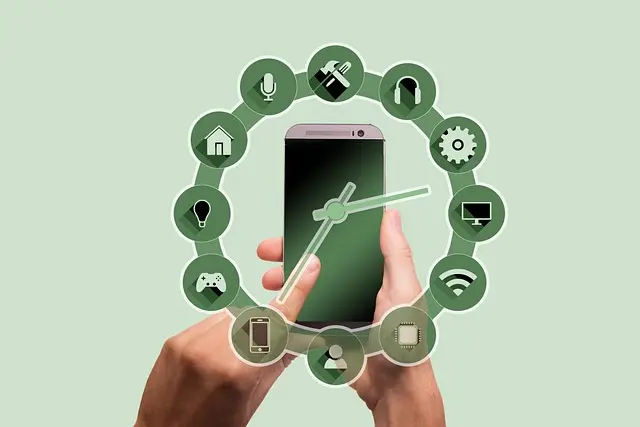
Smart home devices refer to internet-connected gadgets that integrate into a home's existing systems to improve convenience, functionality, and security. These devices range from smart speakers and thermostats to lighting systems and security cameras. The essence of these devices is their ability to be controlled remotely via smartphones or voice commands, allowing homeowners to manage their environments effortlessly. With the Internet of Things (IoT), users can automate tasks and synchronize various devices to work in unison.
For example, a smart thermostat adjusts home temperatures based on individual routines and preferences, leading to energy savings and enhanced comfort. The expansion of smart home technology not only leads to greater convenience but also contributes to energy efficiency and security improvements in household systems.
How to Integrate Smart Home Devices into Your Daily Life
Integrating smart home devices into your routine can substantially change your daily life. Here’s a step-by-step guide on how to do it:
Step 1: Identify Your Needs
Before delving into the world of smart home technology, assess your daily challenges. Do you often forget to turn off lights? Or struggle to maintain an optimal home climate? Identifying your needs will help in selecting the right smart devices for your home.
Step 2: Research Smart Devices
Explore various categories of smart devices that align with your identified needs. Whether you're looking for smart lighting, security systems, or smart appliances, ample research will present you with options. Look for user reviews and performance statistics. Websites like Les Numériques often provide comprehensive reviews and comparisons.
Step 3: Installation
Many smart home devices offer DIY installation guides, making the process simpler than ever. For more complex setups, consider hiring a professional to ensure optimal performance. Ensure that your Wi-Fi network is robust enough to support all devices, as connectivity is essential for smooth operation.
Step 4: Create a Centralized Management System
Using platforms like Google Home or Amazon Alexa, you can manage multiple devices from one interface. This can include everything from adjusting the thermostat to monitoring security cameras, thus enhancing user experience.
Step 5: Customize Your Automations
Take full advantage of automation features. Set routines for your devices to activate or deactivate at specific times or under certain conditions. For example, program lights to turn off when you leave the house or set the thermostat to adjust when it detects that you’re home.

WHALL - 4-in-1 UV Mattress Vacuum Cleaner, 21KPa Anti-Mite Bed Vacuum with Hot Air & LED Display
bestbuy.com


Comparative Analysis of Popular Smart Home Devices
When investing in smart home devices, it's crucial to compare their features, functionalities, and costs. Here’s a simplified comparison:
| Device Type | Option A (Smart Speaker) | Option B (Smart Thermostat) | Option C (Smart Security Camera) | Verdict |
|---|---|---|---|---|
| Integration Ease | High | Medium | High | Balanced |
| User Interface | Voice and App Control | App Control | App Control | Good |
| Automation Capability | Yes | Yes | Yes | Excellent |
| Cost | Moderate | High | Low | Depends |
Analyzing Current Trends in Smart Home Technology
Research shows that smart home device adoption has risen steadily over the past few years. A report from McKinsey & Company indicates that as of 2025, approximately 70% of households in developed nations are expected to utilize at least one smart device. Users have reported significant satisfaction with convenience, citing reductions in energy consumption and improved home security as key factors for their purchasing decisions.
Currently, energy-efficient appliances and security technologies are among the most sought-out products in the smart home category. Consumers show a preference for devices that not only simplify life but contribute to sustainability and safety.
Expert Opinion
> 💡 Expert Insight: “Smart home devices are not just a trend; they represent a shift toward a more connected and efficient lifestyle. Homeowners should focus on gaining practical benefits, such as energy savings and enhanced security, to maximize their investment.”
📺 Resources Video
> 📺 For further insight: “Top 5 Smart Home Devices You Need in 2026”, a comprehensive review and demonstration of essential devices that can enhance your home. Search on YouTube: best smart home devices 2026.
Q: What are smart home devices?
A: Smart home devices are internet-connected gadgets designed to enhance comfort, convenience, and security in homes.
Q: Are smart home devices worth the investment?
A: Yes, they can lead to energy savings, improved security, and overall convenience in daily life.
Q: Can I control all smart home devices from one app?
A: Most smart devices can be controlled via centralized platforms like Google Home or Amazon Alexa.
Q: How do smart home devices improve energy efficiency?
A: Many smart devices can optimize energy usage by automatically adjusting settings based on your habits and preferences.


Glossary
| Term | Definition |
|---|---|
| Smart Thermostat | A device that automatically adjusts home temperatures based on user preferences and routines. |
| Internet of Things (IoT) | A network of interconnected devices that communicate and exchange data online. |
| Home Automation | The technological process of controlling home systems and appliances remotely for heightened convenience and efficiency. |
Checklist before Usage
- [ ] Verify Wi-Fi connectivity.
- [ ] Ensure device compatibility with existing systems.
- [ ] Review user manuals for installation tips.
- [ ] Establish security measures for connected devices.
- [ ] Customize settings for optimal functionality.
Conclusion
Investing in smart home devices not only enhances convenience but makes homes more energy-efficient. As technology continues to evolve, embracing smart home solutions will undeniably lead to a more streamlined, comfortable living experience. Discover our recommended products below to enhance your home with the latest in smart technology!
📺 Pour aller plus loin : best smart home devices 2026 sur YouTube
Recommended products
Selected by our experts