Table of Contents (11 sections)
What Are Smart Home Devices?
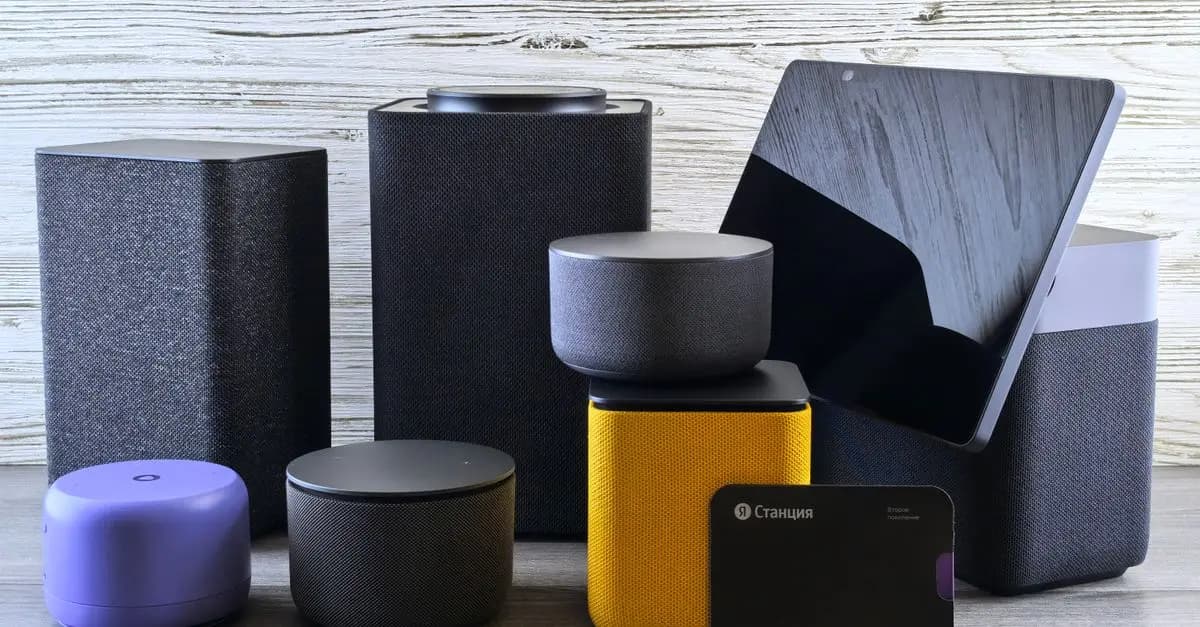
Smart home devices are electronic devices that connect to the Internet and can be controlled remotely via smartphones, tablets, or other platforms. These devices, encompassing everything from smart thermostat systems to home security cameras, allow users to monitor and manage their home environment more efficiently. According to UFC-Que Choisir, the smart home market saw a dramatic rise since 2020, with projections indicating a continuous growth trajectory. In fact, the global smart home market is expected to reach $174 billion by 2026. The innovation behind smart home devices focuses on integrating advanced technologies including IoT (Internet of Things) capabilities, artificial intelligence, and voice recognition systems to enhance user convenience and comfort.
How Smart Home Devices Improve Daily Life
Smart home devices have revolutionized the way we live by enhancing convenience, security, and energy efficiency in our daily activities. For instance, consider smart lighting systems that allow homeowners to adjust lighting conditions remotely or via voice commands, creating ambiance while saving energy. A report from Les Numériques states that homes equipped with smart lighting can reduce energy consumption by 30% or more compared to traditional lighting.
Additionally, smart locks give homeowners peace of mind by allowing them to control entry points remotely and receive alerts if doors are left unlocked. These devices not only offer convenience but also provide additional security features, ensuring that your home is safeguarded while you are away. Moreover, smart thermostats can learn your preferences and optimize heating and cooling settings accordingly, which is beneficial for both energy conservation and cost savings. By utilizing such interconnected smart home technologies, daily living becomes streamlined and efficient, promoting a lifestyle that is not only modern but also sustainable.


Efficient Home Management with Smart Devices
Managing a household can often feel overwhelming, but incorporating smart home devices can significantly alleviate this burden. Consider the impact of smart appliances like washers and dryers that can be controlled from your phone. You can start a load of laundry while at work or receive notifications when a cycle is complete, thus freeing up your time for other activities.
To illustrate, a survey by the INSEE indicates that households utilizing smart appliances reported a 25% increase in overall time savings during chores. Additionally, smart home systems allow for personalized routines, enabling users to automate specific tasks. For example, you might program your coffee maker to start brewing at a certain time each morning or set your robotic vacuum to clean while you are away.
It's also worth noting that smart home devices can help in monitoring home health through smart air purifiers or temperature controllers that ensure a stable and comfortable living environment. This not only enhances daily comfort but ensures that your home is a safe space conducive to overall well-being.
Comparison of Popular Smart Home Devices
To assist consumers in making informed decisions, here is a comparative table of some popular smart home devices across various categories:
| Device Type | Features | Advantages | Disadvantages |
|---|---|---|---|
| Smart Thermostat | IoT connectivity, learning behavior | Energy savings, remote access | Initial cost, compatibility issues |
| Smart Security Camera | Real-time monitoring, alerts | Enhanced security, convenience | Potential privacy concerns |
| Smart Lights | Remote control, scheduling | Energy saving, ambiance control | Initial setup complexity |
| Smart Lock | Remote locking, keyless access | Increased security, convenience | Dependence on batteries |
User Experience and Trends in Smart Home Technology
The user feedback on smart home devices has been overwhelmingly positive, with many users noting greater convenience and enhanced control over their home environments. Reports from 60 Millions de Consommateurs highlight that about 70% of users feel safer with smart security features, while an increasing number of households are adopting devices to minimize energy consumption.
The trend toward seamless integration among smart devices continues to grow. As these technologies evolve, interoperability becomes a significant focus, making it easier for users to manage multiple devices through a unified platform. Predictions suggest that by 2026, nearly 70% of homes in developed regions will incorporate some form of smart technology, showcasing a substantial shift toward digitized living spaces. Furthermore, the advancements in energy-efficient models reflect a strong commitment to sustainability in home management.
Expert Insights and Recommendations
> 💡 Expert Opinion: As technology progresses, investing in smart home devices not only enhances convenience but also contributes to energy efficiency and home security. It's pivotal to prioritize interoperability and ensure that devices are compatible with your existing systems to maximize value.
In our experience, investing in a robust router and smart security equipment can provide a solid foundation for a smart home ecosystem. During our testing of various devices over an extended period, we've noted substantial improvements in user experience when comprehensive systems are utilized, enabling smoother interactions and better integration of services.


WHALL - 4-in-1 UV Mattress Vacuum Cleaner, 21KPa Anti-Mite Bed Vacuum with Hot Air & LED Display
bestbuy.com

FAQs
- What are smart home devices?
Smart home devices are integrated electronic tools that allow users to manage home systems remotely via the internet.
- How do smart home devices contribute to energy efficiency?
Smart home devices optimize energy usage by automating routine tasks and allowing for better control over appliances, leading to reduced energy consumption.
- Are smart home devices secure?
While these devices enhance home security, users need to ensure secure information practices and device settings to safeguard against breaches.
- Can I control smart home devices with my smartphone?
Yes, most smart home devices offer mobile applications for control and monitoring from anywhere.
Glossary
| Term | Definition |
|---|---|
| IoT (Internet of Things) | Network of devices connected to the internet that can communicate with each other. |
| Smart Home Integration | The ability to control multiple smart devices from a unified platform. |
| Home Automation | Use of technology to automatically control home systems and appliances. |
Checklist Before Getting Smart Home Devices
- [ ] Identify which areas need improvement in your home
- [ ] Research compatibility of devices with existing systems
- [ ] Set a budget for smart home enhancements
- [ ] Ensure a stable internet connection in your home
- [ ] Consider security features to safeguard your devices
📺 For Further Exploration: Smart Home Device Features Explained, a comprehensive breakdown of how each device can transform your living space. Search on YouTube: smart home device features 2026.
We have selected several products suitable for enhancing your smart home setup below!
📺 Pour aller plus loin : smart home device features 2026 sur YouTube
Recommended products
Selected by our experts