Table of Contents (19 sections)
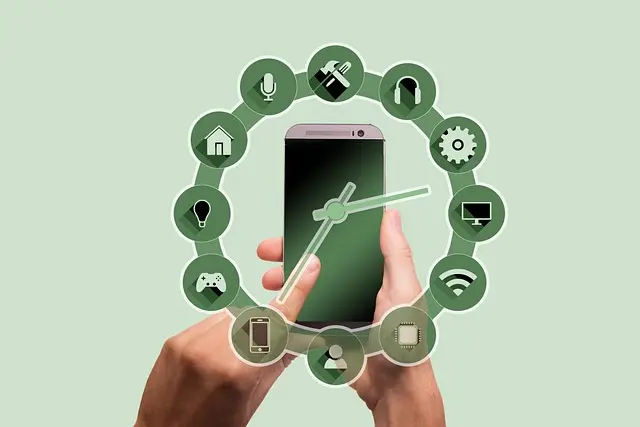
Smart home devices have swiftly transformed the way we interact with our living spaces, making everyday tasks easier and more efficient. From smart lighting and thermostats to sophisticated security systems, this technology has become integral in enhancing the comfort and convenience of our homes. These devices not only automate mundane chores but also help in energy conservation, ensuring a better quality of life.
What are Smart Home Devices?
Smart home devices are equipment connected to the internet that allows for remote control and monitoring. These can include security systems, smart bulbs, smart speakers, and more. According to the Consumer Technology Association, 70 million households in the U.S. utilize at least one smart home device as of 2026. This surge in usage reflects the increasing recognition of their benefits, which range from improving safety and energy efficiency to providing greater control over the home environment.
The Benefits of Smart Home Devices
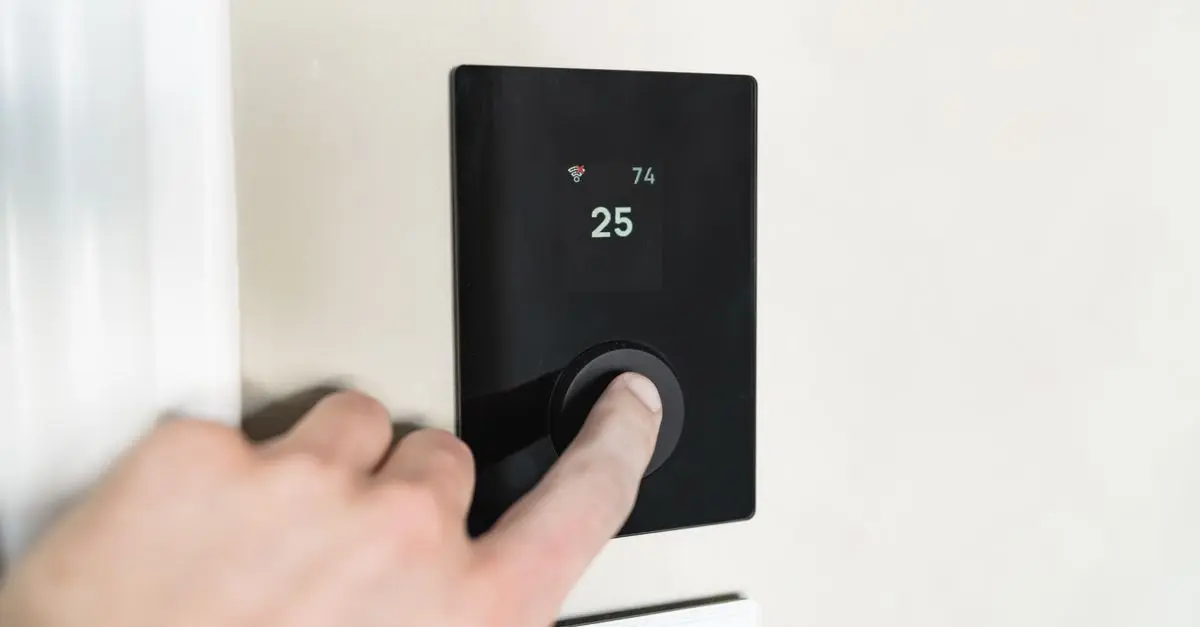
Investing in smart home technology can yield numerous advantages. These devices enhance comfort through automation, allowing tasks to be executed with minimal human intervention. For example, smart thermostats can learn your preferences and adjust heating and cooling accordingly, significantly lowering energy bills. Moreover, enhanced security features—such as surveillance cameras and smart locks—provide peace of mind for homeowners. A report from UFC-Que Choisir indicates that homes equipped with smart security systems experience a 30% decrease in crime rate.
How to Get Started with Smart Home Devices
Step 1: Identify Your Needs
To successfully integrate smart home technology, you first need to assess your lifestyle and what areas could benefit from automation. Consider which tasks are repetitive or time-consuming in your daily routine. For example, if you are often forgetting to turn off the lights, smart bulbs could be the right choice.
Step 2: Choose the Technology Ecosystem
Once needs are established, select a compatible smart home ecosystem. Options include Google Home, Amazon Alexa, and Apple HomeKit. Each system has its strengths and weaknesses, hence understanding the compatibility with your devices is crucial. Integrating devices from various manufacturers may create challenges in functionality, so it's often best to stay within one brand ecosystem.
Step 3: Installation & Setup
Installing smart home devices can be straightforward; many require nothing more than downloading an app and connecting to Wi-Fi. For example, smart plugs can be set up in minutes and allow users to control appliances remotely. It's essential, however, to follow the manufacturer’s guidelines to ensure optimal usage and security settings are correctly applied.


WHALL - 4-in-1 UV Mattress Vacuum Cleaner, 21KPa Anti-Mite Bed Vacuum with Hot Air & LED Display
bestbuy.com
Comparative Analysis of Smart Home Devices
| Device Type | Smart Bulbs | Smart Thermostats | Smart Security Cameras | Smart Speakers |
|---|---|---|---|---|
| Control Method | Mobile App, Voice | Mobile App, Voice | Mobile App, Voice | Mobile App, Voice |
| Energy Saving | Yes | Yes | No | No |
| Remote Access | Yes | Yes | Yes | Yes |
| Cost Range | $10 - $50 | $100 - $300 | $20 - $200 | $50 - $350 |
| Verdict | Great for ambiance | Ideal for efficiency | Essential for safety | Great for convenience |
In analyzing various smart devices, we see clear distinctions in terms of functionality and value to users. Smart bulbs are excellent for ambiance and price efficiency, while smart thermostats stand out for energy conservation. Smart security cameras provide peace of mind, making them essential for home safety, while smart speakers enhance convenience and connectivity.
Statistics and Trends in Smart Home Adoption
As of 2026, the smart home market is expected to reach $174 billion globally. This growth is attributable to the increased electricity costs and the demand for home security. A survey conducted by Statista showed that over 60% of U.S. homeowners are considering adopting smart home technology due to concerns over energy savings and home safety. Furthermore, penetration rates for smart devices in homes are expected to grow steadily, making understanding these devices increasingly important for homeowners.
Expert Opinions on Smart Home Devices
> 💡 Expert Opinion: Smart home devices significantly improve everyday life by offering convenience and security. As a technologist, I've found that users often underestimate the long-term benefits of such investments. For instance, a smart thermostat may cost more upfront, but the savings on energy bills make it worthwhile. This is echoed by findings from organizations like Consumer Reports, which emphasize the impact smart home technology has on reducing energy usage and improving quality of life.
Frequently Asked Questions
What are the most popular smart home devices?
Some of the most popular smart home devices include smart speakers, thermostats, and security cameras.
Can I integrate devices from different brands?
Yes, many devices can be connected through platforms such as Google Home or Amazon Alexa, though compatibility varies.
How secure are smart home devices?
While many smart devices offer robust security features, it’s essential to implement practices such as regular updates and strong passwords to ensure safety.
What are the costs associated with smart home devices?
Costs can vary widely, with basic smart plugs costing around $10 and comprehensive smart security systems exceeding $300.


Checklist before Purchase
- [ ] Assess your specific needs for automation.
- [ ] Research compatible ecosystems (Google Home, Alexa, etc.).
- [ ] Read user reviews for the desired device.
- [ ] Check warranty and support options provided by the manufacturer.
- [ ] Ensure strong Wi-Fi connectivity in the areas where devices will be installed.
Glossary
| Term | Definition |
|---|---|
| Smart Home | A residence equipped with devices that control various home systems via the internet. |
| IoT (Internet of Things) | A network of physical devices connected to the internet to collect and exchange data. |
| Automation | The use of technology to perform tasks without human intervention. |
Conclusion
Smart home devices offer a wide array of benefits, including improved comfort, convenience, and energy efficiency. By understanding the different options available and the value they can add, homeowners can make informed decisions that suit their lifestyles. For those interested in embracing this technology, we have selected several products that can enhance your smart home experience. Check them out below!
📺 Resource Video
For further insights: Get insights on how smart home technology enhances modern living, explore numerous options, and install them effectively. Search on YouTube: smart home technology 2026 review.
📺 Pour aller plus loin : smart home technology 2026 review sur YouTube
Recommended products
Selected by our experts