Table of Contents (17 sections)
In today's world, the blend of technology and sustainability is becoming increasingly crucial. As energy demands rise, smart home devices are at the forefront of promoting energy efficiency in households. These devices not only make life more convenient but also contribute significantly to reducing energy consumption. This article explores how smart home devices can improve energy efficiency and help homeowners save money while being eco-friendly.
What Are Smart Home Devices?
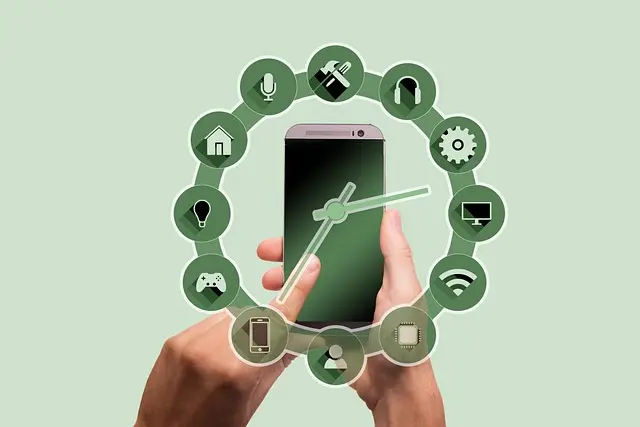
Smart home devices refer to a variety of Internet-connected gadgets that allow users to control, monitor, and automate home systems. These can include smart thermostats, smart lighting, smart plugs, and smart appliances, among others. By being interconnected, these devices streamline energy use and enhance user convenience.
The integration of these devices into daily life can result in significant savings on utility bills. According to a report by the American Council for an Energy-Efficient Economy (ACEEE), households with smart home technology can save approximately 10-30% on energy costs annually. This substantial reduction is primarily due to the effective management of energy consumption that these devices provide.
How Smart Home Devices Improve Energy Efficiency
Smart home devices are designed with several features that enhance energy efficiency. Here’s a breakdown of how they work:
Smart Thermostats
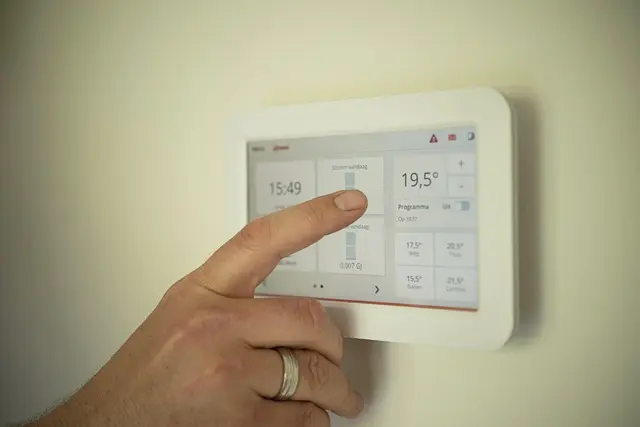
A cornerstone of smart home technology, smart thermostats like those made by Nest or Ecobee, enable homeowners to monitor and control household temperatures remotely via smartphone apps. These thermostats learn user habits over time, adjusting the heating and cooling to optimize energy use. For instance, rather than heating or cooling an entire home, smart thermostats can direct climate control to only those areas currently in use.
According to a study by the U.S. Department of Energy, the implementation of smart thermostats can result in annual savings of about 10-15% on heating and cooling bills. Plus, many models can be programmed to follow the homeowner's schedule, preventing unnecessary energy waste when no one is home.
Smart Lighting
Smart light bulbs, such as those from Philips Hue or LIFX, offer customizable brightness and color temperature options. They can be controlled via smartphones, ensuring that lights are only used when necessary. Smart lighting systems can also be set to automatically turn off when no one is present in a room, significantly reducing electricity consumption.
Statistics from the International Energy Agency (IEA) indicate that switching to LED smart bulbs can save a household up to 75% on lighting costs compared to traditional incandescent bulbs. Moreover, smart lighting can synchronize with daily routines, providing the right ambiance while saving energy.
Energy Monitoring Devices
These devices track real-time energy use, allowing homeowners to analyze consumption patterns. Products like TP-Link Kasa Smart Plugs or Sense Energy Monitor can provide insights into which devices use the most energy, enabling users to make informed decisions about their appliance usage. By identifying energy hogs, homeowners can adjust their habits or replace inefficient appliances.
A report by the Natural Resources Defense Council (NRDC) highlighted that households using energy monitoring devices could reduce their energy consumption by around 10%. This significant impact underscores the value of being informed about energy use.
Comparative Analysis of Smart Home Technologies
To better understand various smart home devices' energy efficiency contributions, here is a comparative analysis:
| Device Type | Example Brands | Potential Savings (%) | Unique Features |
|---|---|---|---|
| Smart Thermostats | Nest, Ecobee | 10-15% | Learning algorithms |
| Smart Lighting | Philips Hue, LIFX | 75% | Remote access, scheduling |
| Energy Monitoring Devices | TP-Link, Sense | 10% | Real-time usage data |
| Smart Plugs | Wemo, Kasa | 8-20% | Control via smartphone |
Data-Driven Insights on Energy Efficiency Trends
The shift towards smart home technology reflects broader trends in energy efficiency. According to the International Energy Agency, the global smart home market is expected to grow by 28% annually, driven by advances in technology and increasing consumer awareness about sustainability.
Furthermore, a 2025 survey by the Pew Research Center found that 65% of U.S. homeowners expressed interest in adopting smart home devices, citing energy savings and convenience as primary motivators. This suggests a continued commitment to integrating technology in residential energy management.
Expert Opinions on Smart Home Energy Efficiency
> 💡 Expert Insight: Dr. Angela Carter, a researcher in energy efficiency, emphasizes: "Adopting smart home technologies is not just about convenience. It's a strategic way to combat rising energy costs and contribute positively to the environment. Homeowners adopting these devices often see significant long-term savings and reduced footprints, making smart investments."
What are the benefits of using smart home devices?
Using smart home devices can lead to lower utility bills, increased convenience, and improved energy management through automation.
How much can I save with smart home devices?
Savings can vary, but households typically save between 10-30% on their energy bills with the right smart home technologies.
Are smart home devices worth the investment?
Yes, they not only provide long-term financial savings but also promote a sustainable lifestyle by reducing energy consumption.
Can I control all smart home devices with one app?
Many smart home ecosystems are designed to integrate various devices, allowing control through a single app for convenience.
Glossary
| Term | Definition |
|---|---|
| Smart Thermostat | A device that automatically adjusts heating and cooling settings based on user behavior and preferences. |
| Energy Monitoring | The process of tracking real-time energy use for analysis and efficiency improvement. |
| Smart Lighting | LED lights that can be controlled remotely and adjusted for brightness, color, and scheduling. |
Checklist before Purchase
- [ ] Determine the type of smart device best for your needs.
- [ ] Research different brands and their energy ratings.
- [ ] Check compatibility with existing home systems.
- [ ] Compare reviews and expert ratings for quality assurance.
- [ ] Evaluate the potential savings based on your usage patterns.
📺 For Further Exploration:
How Smart Home Devices Can Transform Energy Efficiency, a comprehensive analysis of the best devices in 2026. Search on YouTube: "smart home devices energy efficiency".
In conclusion, the integration of smart home devices into our daily lives not only enhances energy efficiency but also contributes to a sustainable future. By making informed choices and tracking energy usage, homeowners can lower their utility bills and reduce their environmental impact significantly. Embrace technology, save money, and enjoy a greener lifestyle today!
📺 Pour aller plus loin : smart home devices energy efficiency sur YouTube