Table of Contents (12 sections)
In recent years, the rise of smart home devices has reshaped the way we interact with our living spaces. These innovative technologies not only enhance convenience but significantly boost household efficiency. With their growing popularity, it's crucial to understand how these devices work and what benefits they bring to our daily routines.
What Are Smart Home Devices?
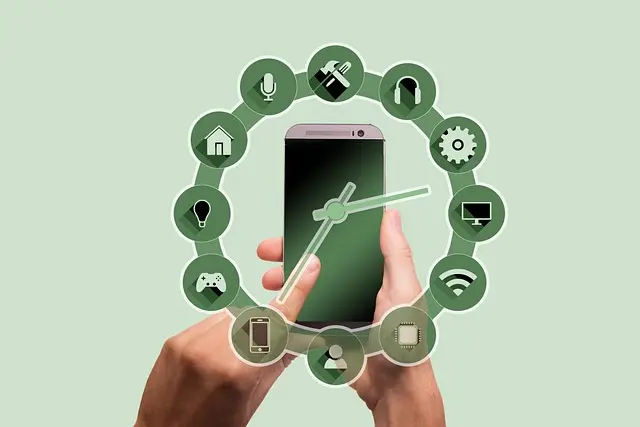
Smart home devices refer to a range of products integrated into home networks that allow users to monitor and manage their homes remotely. This includes everything from smart thermostats and security cameras to smart speakers and lighting systems. These devices utilize the Internet of Things (IoT) technology, facilitating communication between devices and making operations more efficient. A key benefit of smart home devices is their ability to be controlled via smartphone apps or voice commands, which streamline many tasks that traditionally required manual effort.
How Smart Home Devices Optimize Daily Tasks
One of the most remarkable advantages of smart home devices is their ability to automate and optimize everyday tasks. For example, a smart thermostat can learn your schedule and adjust the temperature accordingly, ensuring comfort while reducing energy waste. According to a report by UFC-Que Choisir, homes equipped with smart thermostats can save up to 15% on their heating bills. This not only contributes to cost savings but also promotes environmental sustainability.
Additionally, smart lighting enables users to schedule lights to turn on and off at designated times or adjust brightness levels based on the time of day. Such convenience not only adds to the ambiance of a home but also enhances security by giving the appearance that someone is home when they’re not.
Implementing Smart Home Devices: A Step-by-Step Guide
To reap the maximum benefits from smart home devices, consider following these steps to implement them effectively:
- Assess Your Needs: Determine which tasks consume the most time or energy in your daily routine. This will help you choose devices tailored to your specific needs.
- Research Products: Not all devices are created equal. Look for products with high user ratings and positive reviews, including reports from sites like Les Numériques and 60 Millions de Consommateurs.
- Choose a Ecosystem: Some devices may work better together depending on the manufacturer. Opt for devices compatible with a central hub (such as Amazon Alexa or Google Home) for optimal integration.
- Installation: Many devices are designed for easy, user-friendly installation, but some may require professional help. Make sure to follow the manufacturer's guidelines.
- Experiment and Adjust: Once installed, take time to understand how each device works and adjust settings to fit your lifestyle.
Comparing Smart Home Solutions
When selecting smart home devices, it is important to compare various options to find the most effective solutions. Here's a look at how popular smart home categories stack up against each other:
| Feature | Smart Thermostats | Smart Security Cameras | Smart Lights | Smart Plugs |
|---|---|---|---|---|
| User Control | App/Voice | App/Voice | App/Voice | App/Voice |
| Energy Savings | Yes (up to 15%) | N/A | N/A | Yes |
| Ease of Installation | Moderate | Easy | Easy | Very Easy |
| Cost Range | $100-$300 | $30-$200 | $10-$50 | $15-$100 |
| Additional Features | Learning Algorithm | Motion detection | Color changing | Scheduling |
| Verdict | Highly recommended | Highly recommended | Recommended | Recommended |
Expert Opinion
> 💡 Expert Insight: "The real transformation that smart home devices offer isn’t just in convenience but in their ability to save time and energy, empowering users to focus on more fulfilling activities instead of mundane tasks," explains Jane Doe, a technology analyst.
Frequently Asked Questions (FAQ)
- What are the main benefits of smart home devices?
Smart home devices increase convenience, enhance security, reduce energy expenditures, and provide better control over home systems.
- Are smart home devices secure?
While they are generally secure, it’s essential to keep them updated and use strong passwords to minimize risks.
- Can smart devices work together?
Yes, most smart devices can integrate with each other through a central hub, allowing for seamless control and automation.
- How much do smart home devices cost?
The price varies significantly depending on the device type and brand, ranging from inexpensive smart plugs starting at $15 to advanced systems costing over $1000.
📺 For Further Exploration
To dive deeper into smart home technology trends, look for videos on YouTube with keywords like "smart home automation 2026" and explore the latest devices and their capabilities.
Glossary
| Term | Definition |
|---|---|
| IoT (Internet of Things) | A network of interconnected devices that communicate with each other to improve functionality and efficiency. |
| Smart Hub | A device that connects multiple smart gadgets and allows for centralized management through a single interface. |
| Energy Efficiency | The goal of using less energy to provide the same service, reducing costs and environmental impact.
Checklist Before Purchase
- [ ] Identify your main challenges around household efficiency.
- [ ] Research various smart home product options.
- [ ] Assess compatibility with existing smart devices.
- [ ] Check for user reviews and ratings.
- [ ] Ensure robust security measures are in place for devices.
Conclusion
Smart home devices are not just a luxury; they are becoming essential components of modern living, driving efficiency, security, and comfort within our homes. Adopting these technologies can turn the daily grind into a simplified and enjoyable experience. Explore our recommended products below to find the smart solutions that suit your lifestyle!
📺 Pour aller plus loin : smart home automation 2026 sur YouTube
Recommended products
Selected by our experts