Table of Contents (15 sections)
In recent years, smart home devices have emerged as essential tools for optimizing daily routines and enhancing the quality of life. These innovative gadgets integrate seamlessly into our homes, enabling efficiency, convenience, and control at our fingertips. From smart speakers that manage your schedule to advanced security systems safeguarding your household, the applications of smart technology are limitless. This article delves into how smart home devices revolutionize daily activities and improve lifestyle.
Understanding Smart Home Devices
What are Smart Home Devices?
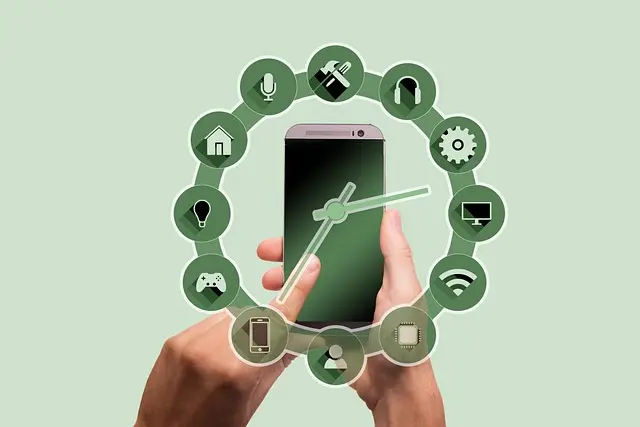
Smart home devices refer to a range of appliances and gadgets that connect to a home network, providing remote management through smartphones or voice controls. These devices can range from simple smart plugs to elaborate home security systems and comprehensive home automation solutions. The increasing accessibility and affordability of these technologies have elevated their adoption.
According to a recent report from Statista, the global smart home market is projected to reach $151 billion by 2026. As more households embrace smart technology, understanding their functions and benefits becomes crucial. Smart home devices not only streamline various tasks but also conserve energy, which benefits the environment and lowers utility bills.
Why Choose Smart Home Devices?
Several reasons drive the adoption of smart home devices. Firstly, they enhance convenience by automating daily tasks. For instance, smart thermostats adjust your home's temperature based on your preferences and schedule, ensuring comfort without manual intervention. According to a survey by UFC-Que Choisir, 85% of users acknowledged that smart home devices make household management noticeably easier. Additionally, security enhancements provided by smart cameras and smart locks significantly increase safety.
Practical Applications of Smart Home Devices
Streamlining Daily Routines
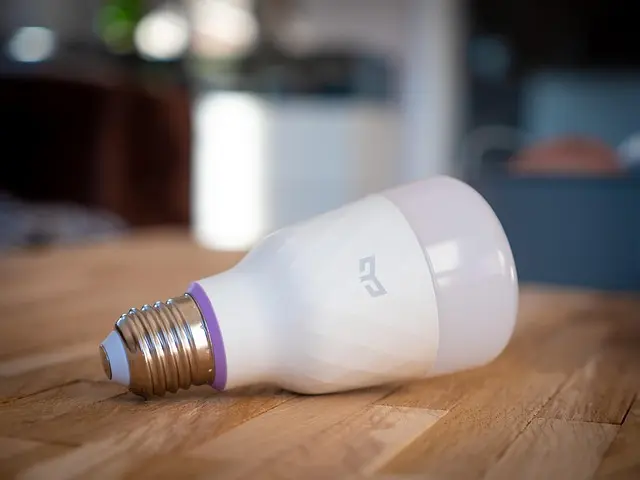
To truly appreciate smart home devices, it's essential to look at how they simplify everyday life. For example, smart lighting systems allow users to control light levels through voice commands or apps, which is particularly useful during busy evenings or when hosting guests. Similarly, smart kitchen appliances can assist in meal preparation by providing recipe suggestions and cooking instructions via voice-activated assistants.
Here’s a step-by-step guide on using a smart speaker for daily routines:
- Set up your device by connecting it to your home Wi-Fi and configuring settings through the associated app.
- Create routines that automate tasks like adjusting the thermostat, turning on the coffee machine, or dimming the lights when you wake up or go to sleep.
- Integrate other smart devices—expand your smart home ecosystem to include lights, security cameras, or other gadgets that can work together for enhanced convenience and efficiency.
By strategically implementing these devices, users can significantly reduce time spent on mundane tasks, allowing them to focus on what truly matters.


WHALL - 4-in-1 UV Mattress Vacuum Cleaner, 21KPa Anti-Mite Bed Vacuum with Hot Air & LED Display
bestbuy.com
Comparative Analysis of Smart Home Devices
A comparative analysis of various smart home devices can help users make informed decisions regarding their home setup. Below is a table that presents a comparison of three popular categories:
| Device Type | Feature Highlights | Pros | Cons |
|---|---|---|---|
| Smart Thermostats | Energy-saving algorithms | Reduces utility bills | Initial setup cost |
| Smart Security Cameras | Remote monitoring | Enhanced security | Privacy concerns |
| Smart Speakers | Voice control capabilities | Convenience and multitasking | Limited integration options |
Data Insights: The Rise of Smart Home Devices
Analytical insights reveal the impressive growth and impact of smart home devices on consumers' lifestyles. A survey conducted by Statista in 2025 indicated that over 68% of households have adopted at least one smart device, with many users planning to expand their smart home systems. These insights highlight the significant trend toward home automation, fueled by advancements in technology and increasing consumer awareness of energy efficiency.
Moreover, smart devices are evolving rapidly, with a shift towards more integrated solutions that communicate seamlessly with each other. For example, smart home platforms like Google Home and Amazon Alexa create an ecosystem where devices can interact, offering enhanced automation possibilities.
Expert Advice on Choosing Smart Home Devices
> 💡 Expert Opinion: When investing in smart home technology, prioritize compatibility and scalability. It's essential to choose devices that work well together to maximize efficiency and user experience. Over time, integrating additional devices can lead to a more functional and automated living space.
FAQs about Smart Home Devices
Q1: What types of smart home devices are available?
A: Smart home devices include numerous categories such as thermostats, lighting systems, security cameras, and smart speakers. Each device serves unique functions that contribute to home automation.
Q2: How do smart home devices enhance security?
A: Smart security cameras and alarms allow homeowners to monitor their property remotely. Users receive notifications and can control cameras and alarms through smartphones.
Q3: Are smart home devices energy-efficient?
A: Many smart home devices are designed with energy efficiency in mind. For example, smart thermostats learn user patterns to optimize heating and cooling, reducing utility costs.
Q4: What is the cost of setting up a smart home system?
A: Initial costs vary based on the number and types of devices. However, investing in smart tech can lead to long-term savings through energy efficiency and increased home safety.


Glossary
| Term | Definition |
|---|---|
| Smart Home | A residence equipped with devices that enable remote management and monitoring. |
| IoT (Internet of Things) | The interconnection of everyday devices to the internet, enabling them to send and receive data. |
| Home Automation | The automatic control of home systems such as lighting, heating, or security. |
Checklist before Purchase
- [ ] Research compatibility with existing systems.
- [ ] Evaluate energy efficiency ratings.
- [ ] Consider installation requirements.
- [ ] Analyze user reviews and expert recommendations.
- [ ] Determine your budget for initial setup and maintenance.
📺 Resources Video
> 📺 For more insights: Check out comprehensive analyses of smart home setups and comparisons of various devices on YouTube. Search for: "smart home technology trends 2026".
Conclusion
The proliferation of smart home devices has transformed daily routines, providing convenience, security, and energy efficiency like never before. As technology advances, embracing these innovations will only become essential in modern living. With so many options available, prospective users should assess their needs and select devices that align with their lifestyle goals.
Recommended Products
- - - - - .
📺 Pour aller plus loin : smart home technology trends 2026 sur YouTube
Recommended products
Selected by our experts