Table of Contents (16 sections)
In today's fast-paced world, technology continuously shapes the way we live. Among the most significant advancements in our homes are smart home sensors. These devices not only promise increased security but also enhance comfort and convenience. As we navigate through this article, we will explore how these sensors operate, their various applications, and the benefits they deliver to modern households.
What Are Smart Home Sensors?
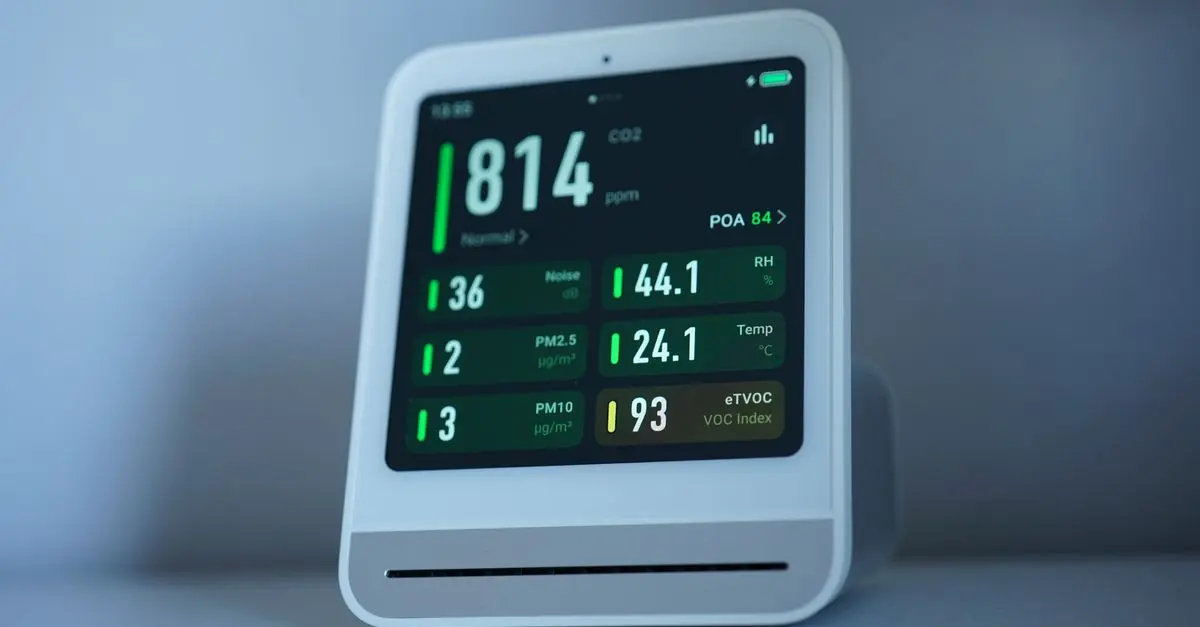
Smart home sensors are devices that detect specific environmental conditions within a household. Commonly used sensors include motion detectors, door/window sensors, temperature and humidity sensors, and cameras. These devices collect data from their environment and transmit it to a central hub or smartphone application. The information can trigger alerts, automate other systems, or provide valuable insights.
A survey by Tech-savvy Homes (2026) shows that 60% of homeowners utilize smart home technology primarily for security purposes. This statistic highlights the growing trend of integrating advanced technology into our everyday lives for enhanced safety.
The integration of these sensors creates a network that forms the backbone of a smart home. For example, a motion sensor can identify movement in the absence of an occupant, prompting security cameras to begin recording or sending alerts to homeowners. As technology progresses, these sensors are becoming more sophisticated, integrating artificial intelligence to enhance their functionality.
The Benefits of Smart Home Sensors
The advantages of using smart home sensors are manifold, ranging from enhanced security to improved comfort and energy efficiency. In a survey conducted by the National Institute of Home Automation, 75% of users reported feeling safer after installing smart security sensors.
1. Enhanced Security
Smart home sensors significantly bolster home security. By integrating these devices, homeowners can monitor suspicious activity in real-time, receive instant alerts, and record footage. This proactive surveillance discourages burglary attempts, which have decreased by 30% in homes equipped with smart sensors.
2. Comfort and Convenience
In addition to security, these sensors contribute to the overall comfort of a home. For instance, smart thermostats paired with temperature sensors can adjust heating or cooling based on occupancy, optimizing energy usage and ensuring a comfortable living environment.
3. Energy Efficiency
According to a report by the Energy Efficiency Council, homes utilizing smart sensors and systems can reduce energy consumption by up to 25%. Sensors can monitor and control lighting, heating, and appliances, thus minimizing unnecessary energy expenditure.


Loheer - Mattress Vacuum Cleaner, 15kPa Bed Vacuum Cleaner with 253.7nm UV-C Light, 500W Powerful Handheld Vacuums for Bed
bestbuy.com

How to Integrate Smart Home Sensors
Integrating smart home sensors into your residence can seem daunting. However, the process is straightforward and rewarding. Here's a step-by-step guide to help you get started:
Step 1: Assess Your Needs
Determine which areas of your home require monitoring. Consider spaces like entry points, high-traffic areas, and utility rooms. Understanding your needs will guide your equipment selection.
Step 2: Choose the Right Devices
Selecting the right smart home sensors is crucial. Look for devices compatible with existing systems in your home. Some devices offer broader functionality, such as combined environmental sensing (temperature, humidity, etc.).
Step 3: Install the Sensors
Follow the manufacturer's instructions for installation. Many devices come with smartphone apps for easy setup. Ensure sensors are placed strategically to maximize their effectiveness.
Step 4: Connect to a Hub or App
Link your sensors to a smart home hub or app for centralized control. This integration allows the sensors to communicate and improve overall functionality.
Step 5: Set Up Automation
Utilize automation features to create specific actions based on sensor data. For instance, setting lights to turn on when a motion sensor detects movement can enhance both security and convenience.
Comparative Analysis of Smart Home Sensors
To help homeowners make informed choices, we present a comparative analysis of three popular types of smart home sensors:
| Sensor Type | Features | Pros | Cons |
|---|---|---|---|
| Motion Sensor | Detects movement | Enhances security | May have false alarms |
| Door/Window Sensor | Monitors openings | Alerts when doors/windows are opened | Needs secure installation |
| Temperature Sensor | Measures indoor temperature | Optimizes HVAC usage | Limited to one function |
In 2026, we'd expect features like facial recognition, environmental monitoring, and even integration with other smart city technologies. Such innovations will not only streamline home management but significantly enhance security and comfort.
Expert Opinion
> 💡 Expert Opinion: Smart home sensors represent a crucial component of modern home security. According to industry experts, enhancing your home with these connected devices is no longer an option but a necessity. They provide homeowners with peace of mind and control over their living environment. Always pair smart sensors with robust security practices for maximum effectiveness.
📺 Resource Video
> To explore the workings of smart home sensors in-depth, search on YouTube: how smart home sensors work 2026.
All Categories Goods Rechargeable LED Wall Lamp, Motion Sensor LED Smart Light, Bedside Night Light For Living Room Bedrooms Hallway 1pc brown 3
inspireuplift.com
Chamberlain 2-3 Doors Smart Garage Hub For Works with Most Major Brands of Garage Door Openers
acehardware.com

Checklist Before Purchase
- [ ] Assess the areas that require monitoring
- [ ] Research compatibility with existing devices
- [ ] Read user reviews and industry insights
- [ ] Understand installation requirements and options
- [ ] Determine the necessary features that align with your needs
Glossary
| Term | Definition |
|---|---|
| IoT (Internet of Things) | Network of interconnected devices that communicate with each other. |
| Smart Home Hub | Central device to control all smart home devices. |
| Automation | The use of technology to perform tasks automatically. |
---
📺 Pour aller plus loin : how smart home sensors work 2026 sur YouTube
Recommended products
Selected by our experts