Table of Contents (11 sections)
In today's fast-paced world, smart home tech offers solutions that can significantly ease the burden of daily chores. These technologies not only enhance convenience but also provide a multitude of features that help save time and energy. From automated lighting to smart vacuum cleaners, the possibilities are endless.
What is Smart Home Tech?
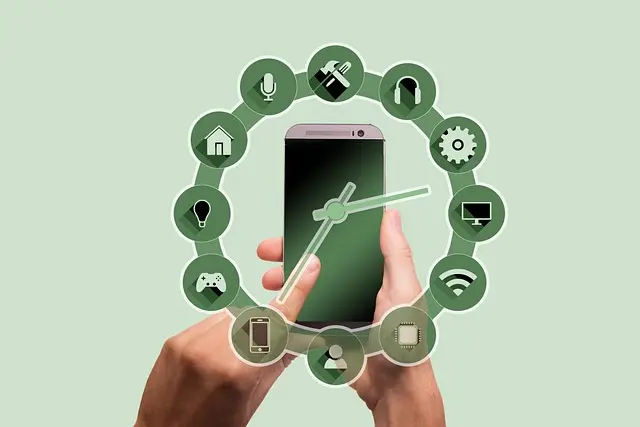
Smart home technology refers to a range of devices and systems that connect to the internet and can be controlled remotely or programmed to operate autonomously. This includes everything from smart thermostats and lighting systems to security cameras and appliances. The idea is to create an interconnected home that can be managed easily, providing homeowners with greater control and efficiency.
For instance, the average American spends about 2.5 hours daily on household chores, according to a 2025 survey by the U.S. Bureau of Labor Statistics. By integrating smart home tech, users can dramatically reduce this time. For example, smart robotic vacuums can take over floor cleaning duties, allowing families to spend time on more enjoyable activities.
Benefits of Smart Home Technology
The utility of smart home tech goes beyond mere convenience. It enhances energy efficiency, boosts security, and provides unprecedented access to automation in daily living. Here are some of the key benefits:
- Energy Efficiency: Smart thermostats learn your patterns, adjusting heating and cooling automatically, which can lead to significant savings on energy bills. For example, studies show that homes with smart thermostats can reduce their energy usage by up to 10-15%.
- Enhanced Security: Smart security systems allow homeowners to monitor their properties in real-time from anywhere in the world. With smart cameras and motion detectors, users can receive alerts directly on their phones, providing peace of mind, especially when away from home.
- Convenience and Flexibility: Smart devices can be programmed to operate at specific times or can be controlled via voice commands or apps. This allows for customizable experiences, making everyday tasks simpler.
How to Get Started with Smart Home Tech
Transitioning to a smart home can be straightforward, and here’s a step-by-step guide on how to initiate your smart home upgrade:
- Assess Your Needs: Evaluate which chores take up the most time in your daily routine. Identify the primary areas where smart technology can help. For example, if laundry is your biggest chore, consider investing in a smart washer that you can control remotely.
- Choose a Smart Ecosystem: Select a smart home platform (like Google Home, Amazon Alexa, or Apple HomeKit) that suits your lifestyle. Ensure that any devices you purchase can integrate with your chosen ecosystem.
- Start Small: Instead of overhauling your entire home, start with a single device, such as a smart speaker or lighting system, to familiarize yourself with the technology.
- Expand Gradually: Once you are comfortable, gradually add more smart devices such as smart plugs, thermostats, and security cameras.
Comparison of Popular Smart Home Devices
To help you understand your options, here’s a comparison table of popular smart home devices:
| Device Type | Feature Set | Price Range | Ease of Use |
|---|---|---|---|
| Smart Thermostat | Energy optimization & scheduling | $100-$250 | Very user-friendly |
| Smart Security Camera | Remote monitoring & alerts | $50-$300 | Moderate |
| Smart Plugs | Control appliances remotely | $20-$40 | Very easy |
| Robotic Vacuum | Auto-cleaning capabilities | $200-$500 | Moderate |
The adoption of smart home technology is on the rise. According to Statista, the global smart home market is projected to reach $174 billion by 2025. In a recent study conducted by the Consumer Technology Association, around 70% of U.S. households reported using at least one smart device by 2026, demonstrating a clear trend toward the integration of these technologies in everyday life.
Moreover, research indicates that users appreciate the increased efficiency, with 45% stating that smart tech has substantially increased their productivity at home. This growth trend is also supported by the availability of a growing number of affordable smart home devices, making them accessible to a wider audience.
👩🏫 Expert Opinion
💡 Expert Insight: From my experience in this increasingly digital landscape, the integration of smart home tech not only provides tangible benefits in convenience but also enhances overall quality of life. Adopting these technologies encourages families to engage more in their living spaces rather than maintaining them. The potential for reducing household clutter and time spent on chores cannot be overstated.
FAQ About Smart Home Technology
Q: How does smart home technology work?
A: Smart home technology works by connecting devices to the internet, allowing for remote access and automation through apps or voice commands.
Q: Is smart home technology secure?
A: Most devices have robust security features. However, ensure to follow best practices like changing default passwords and regularly updating firmware to enhance security.
Q: Can I use smart home devices without a smart hub?
A: Yes, many smart devices can work independently without a hub, though some features may be limited.
Q: How do I integrate multiple smart home devices?
A: Choose devices that are compatible with the same ecosystem (e.g., Google Home or Amazon Alexa) and follow setup instructions for integration.
Checklist Before Buying Smart Home Devices
- [ ] Identify areas of your home that need automation.
- [ ] Research brands and read reviews on the selected devices.
- [ ] Check for compatibility with your home's existing systems.
- [ ] Consider starting with a smart hub for easier integration.
- [ ] Look for energy-efficient options if concerned about energy consumption.
Glossary
| Term | Definition |
|---|---|
| Smart Hub | A central device that connects and controls all smart home devices. |
| IoT | Internet of Things; network of physical devices connected to the internet. |
| Automation | The ability to program devices to perform tasks automatically. |


📺 Video Resource
> 📺 For more insights: Exploring Smart Home Devices in 2026, a comprehensive guide on current devices and their benefits. Search on YouTube: best smart home devices 2026.
📺 Pour aller plus loin : best smart home devices 2026 sur YouTube
Recommended products
Selected by our experts
Prise connectée Bosch Smart Home Blanc
Fnac FR
This smart plug allows you to control appliances remotely, adding convenience and energy efficiency to your home.
Thermostat de radiateur Bosch Smart Home II +M Blanc
Fnac FR
With this smart thermostat, you can manage your home's temperature efficiently, leading to improved energy savings.
Détecteur d'inondation Bosch Smart Home Blanc
Fnac FR
The central controller enhances the functionality of various smart devices, ensuring seamless communication across devices.