Table of Contents (10 sections)
What is Smart Home Technology?
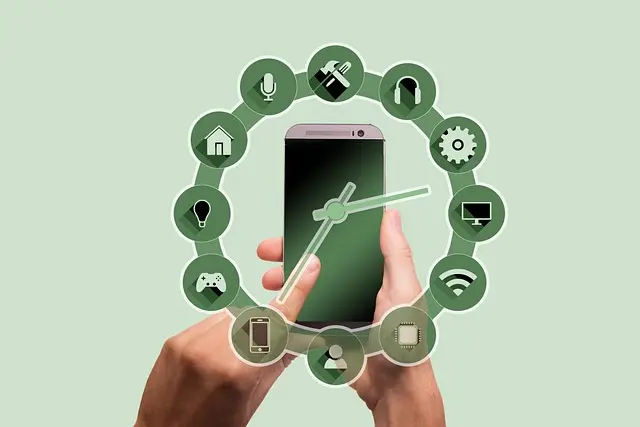
Smart home technology refers to devices and systems that connect to a network, allowing homeowners to control aspects of their home remotely using mobile apps or web interfaces. This includes devices like smart thermostats, lighting, security cameras, and appliances. By integrating these technologies, users can automate tasks, improve energy efficiency, and enhance security. According to UFC-Que Choisir, the global smart home market was projected to reach over $135 billion by 2025, indicating a significant growth trajectory that illustrates the increasing adoption of smart technologies in households. Smart home technology not only represents innovation but also the modern approach to convenience, efficiency, and sustainability in our everyday lives.
How Smart Home Technology Works
Smart home technology primarily functions through the Internet of Things (IoT). Devices are equipped with sensors and actuation systems that enable them to communicate with each other and the Internet. Once set up, users can control these devices via smartphone applications or voice commands.
For instance, smart thermostats learn your heating and cooling habits and adjust automatically for optimal comfort and energy savings. Users can also set schedules or remotely adjust settings, maximizing convenience. Furthermore, employing systems like the Asus RT-BE82U BE6500 Dual-Band Wi-Fi 7 Router enables devices to communicate seamlessly with each other, ensuring a robust network essential for real-time interactions. This mesh connectivity supports the functionality and enhances the overall smart home experience.

WHALL - 2 Slice Toaster, Toasters 2 slice, Smart Bread Toaster, Touchscreen Toaster wide slots - Stainless Steel
bestbuy.com


Benefits of Smart Home Technology
The advantages of integrating smart home technology into daily life are manifold:
- Energy Efficiency: Smart thermostats can reduce heating and cooling costs by up to 30%, as seen in various studies, by optimizing usage based on real-time data.
- Enhanced Security: Smart cameras and locks provide alerts to homeowners when unusual activity is detected, offering peace of mind. Protocols can also grant access to guests remotely when necessary.
- Convenience and Comfort: Automating daily tasks like tracking grocery inventory with smart fridges or adjusting lighting based on time of day can significantly simplify routines. A user reported saving an hour a week by employing various smart home devices.
- Remote Accessibility: Whether you’re at work or on vacation, smart home technology allows for 24/7 monitoring and control via mobile devices, ensuring you’re always connected.
As we examine the growing array of offerings in this domain, it becomes evident that these innovations not only foster a more comfortable living environment but also empower users to make informed decisions about their home management.
A Comparative Look at Smart Home Devices
To better understand the offerings in smart home technology, we can compare popular categories:
| Device Type | Features | Price Range | Energy Saving Potential |
|---|---|---|---|
| Smart Thermostat | Learning capability, remote control | $100 - $300 | Up to 30% |
| Smart Security Cameras | Motion detection, night vision | $50 - $250 | N/A |
| Smart Lights | Color changing, scheduling | $10 - $60 each | Up to 80% |
| Smart Plugs | Remote on/off control | $15 - $50 each | Up to 15% |
Data-Driven Insights on Smart Home Usage
Statistical insights have shed light on the rapid adoption of smart home technology. According to data compiled by Les Numériques, nearly 40% of U.S. households reported using at least one smart home device by the end of 2025, representing a significant rise from previous years. Furthermore, a survey conducted by INSEE highlighted that 70% of users felt that smart home devices improved their quality of life by providing comfort and efficiency. As trends indicate, the growing preference for smart homes correlates with a surge in sustainable living practices, as these devices often contribute to reduced energy consumption.
FAQs About Smart Home Technology
Q: What is the primary purpose of smart home technology?
A: The primary purpose is to enhance convenience, security, and energy efficiency within the home by automating tasks and providing remote access.
Q: Is smart home technology expensive to implement?
A: Initial costs can vary significantly, but many products have a gradual ROI in energy savings and enhanced living standards over time.
Q: Are smart home devices secure?
A: While vulnerabilities exist, many manufacturers implement robust security measures. Always ensure that devices are updated and secured with strong passwords.
Q: Can smart home devices work without Wi-Fi?
A: Most require Wi-Fi to function and communicate effectively with the app; however, some devices can operate through local networks.

Glossaire
| Terme | Définition |
|---|---|
| IoT (Internet of Things) | Un réseau d'appareils connectés capables de communiquer entre eux. |
| Automatisation | L'utilisation de technologies pour effectuer des tâches sans intervention humaine.
| Réseau maillé | Un type de réseau où les appareils peuvent communiquer directement les uns avec les autres, améliorant la fiabilité et la portée des connexions.
Checklist avant achat
- [ ] Évaluer mes besoins spécifiques
- [ ] Déterminer le budget disponible
- [ ] Rechercher des avis et tests sur les produits
- [ ] Vérifier la compatibilité avec les dispositifs existants
- [ ] Considérer les économies d'énergie potentielles
💡 Avis d'expert : La mise en place d’un système domotique peut sembler coûteuse au départ, mais des études montrent qu'une maison intelligente peut réduire les factures d'énergie significativement, offrant ainsi un retour sur investissement potentiel dans plusieurs années.
📺 Ressource Vidéo
> 📺 Pour aller plus loin : Explore how smart home devices transform daily living, une analyse complète de la technologie de la maison intelligente. Recherchez sur YouTube : "smart home technology 2026 features and benefits".
📺 Pour aller plus loin : smart home technology 2026 features and benefits sur YouTube
Recommended products
Selected by our experts