Table of Contents (10 sections)
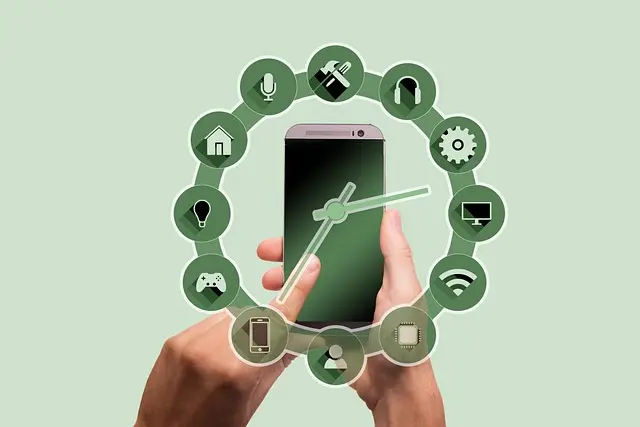
Smart home technology is revolutionizing the way we live by integrating various devices into one cohesive system that simplifies daily tasks. Imagine controlling your lights, thermostat, and even your coffee maker with just a smartphone app or voice command. This technology not only saves time but also enhances convenience and energy efficiency in our households.
What is Smart Home Technology?
Smart home technology refers to the integration of devices and systems in a home that can be controlled remotely via a smartphone, tablet, or other networked device. These technologies aim to improve users' quality of life by automating tasks, enhancing security, and promoting energy efficiency. According to a report by Statista, the smart home market is projected to reach a value of $174 billion by 2026, showcasing the growing demand for these integrated solutions. The breadth of smart devices includes everything from smart thermostats and security cameras to smart appliances like refrigerators and ovens. This expansive range of options allows homeowners to customize their smart home systems based on their specific needs and preferences.
How Smart Home Technologies Simplify Daily Life
Smart home technologies transform mundane tasks into automated processes, significantly simplifying daily routines. Let's explore some practical examples of how these technologies can enhance our lives:
- Automated Lighting: Smart bulbs can be programmed to turn on and off at specific times or controlled remotely. This means no more entering a dark home after work—your lights can greet you as you walk in.
- Smart Thermostats: Devices like smart thermostats learn your schedule and adjust the temperature accordingly. This not only enhances comfort but also reduces energy bills. According to studies by Energy Star, homeowners can save up to 10-12% on heating and cooling costs with these smart devices.
- Voice Assistants: Voice-activated assistants like Amazon's Alexa or Google Home allow users to control multiple devices with simple voice commands. Adjusting the thermostat, turning on the lights, or even ordering groceries can be done hands-free.
By integrating these technologies into your daily routine, you not only save time but also create a more comfortable and efficient living environment.

WHALL - 2 Slice Toaster, Toasters 2 slice, Smart Bread Toaster, Touchscreen Toaster wide slots - Stainless Steel
bestbuy.com


Procedural Steps to Setting Up a Smart Home
Setting up a smart home can be straightforward if you follow these steps:
- Choose a Hub: Select a central hub that supports various devices. Common options include Amazon Echo, Google Nest, or Samsung SmartThings.
- Pick Your Devices: Identify what devices you want for your home. This could include smart bulbs, thermostats, security cameras, and appliances.
- Install and Connect: Follow the manufacturer’s instructions to install each device. Each device will typically require you to connect it to your Wi-Fi network via an app.
- Customize Settings: Use the app to customize settings according to your preferences. This includes scheduling, automation, and notifications.
- Experiment with Automations: Most hubs allow you to create routines or automations, such as turning off all lights at bedtime or adjusting the thermostat when you leave home.
By following these steps, you can create a fully integrated smart home tailored to your lifestyle.
Comparative Look: Smart Devices and Their Features
To help you make informed decisions, here's a comparison of popular smart home devices based on key features.
| Device Type | Feature A | Feature B | Feature C | Verdict |
|---|---|---|---|---|
| Smart Thermostats | Remote control | Energy savings | Learning capability | Excellent for efficiency |
| Smart Bulbs | Color temperature | Scheduling | Voice control | Perfect for ambiance |
| Smart Security Cam | Motion detection | Night vision | Remote access | Great for home security |
| Smart Plugs | Device control from app | Energy monitoring | Timers | Convenient for appliances |
Analytical Insights: Market Trends in Smart Home Technology
The smart home industry is experiencing rapid growth, driven by advancements in technology and increased consumer demand for convenience. According to a report from Grand View Research, the market is expected to grow at a rate of 27.1% from 2021 to 2028. Smart home devices not only cater to consumer preferences for comfort and efficiency but have also become pivotal in enhancing home security. Moreover, the integration of artificial intelligence in smart devices is pushing boundaries and redefining user experiences. The surge in adoption reflects a broader trend toward more sustainable living and energy efficiency practices, aligning with global efforts to reduce carbon footprints. By leveraging these technologies, users can not only improve their daily lives but also promote environmentally friendly practices.
FAQs about Smart Home Technology
- Q: What are the benefits of smart home technology?
A: Smart home technology enhances convenience, improves energy efficiency, increases security, and automates daily tasks, ultimately streamlining your lifestyle.
- Q: Can I integrate all smart devices into one system?
A: While many brands have their ecosystem, devices that adhere to the same standard, like Zigbee or Z-Wave, can often be integrated into a single system.
- Q: Is smart home technology expensive?
A: Initial costs can vary, but many options exist at different price points, making it accessible for various budgets. The energy savings can also offset initial investments over time.
- Q: How secure is smart home technology?
A: Security varies by device; however, using strong passwords, regularly updating software, and choosing reputable brands can enhance security.

Glossary
| Term | Definition |
|---|---|
| Smart Home Hub | A central device that connects and controls various smart home devices. |
| Automation | The process of making a system or device operate automatically without human intervention. |
| IoT (Internet of Things) | A network of physical devices connected to the internet, allowing collection and exchange of data. |
Checklist before Buying Smart Home Devices
- [ ] Identify devices that suit your lifestyle.
- [ ] Research compatibility with existing systems.
- [ ] Check reviews and ratings for reliability.
- [ ] Examine energy-saving capabilities.
- [ ] Consider future-proofing options for upgrades.
🧠 Quiz rapide : What is the primary advantage of smart home technology?
- A) Increased energy costs
- B) Enhanced convenience
- C) Complicated setup
Réponse : B — Smart home technology improves convenience through automation and remote control.
For further insights on how to integrate technology into your home, don’t hesitate to explore more on this topic!
📺 Resource Video
Discover tips and tricks for setting up an efficient smart home with this video titled “Smart Home Setup Guide: Tips for Beginners”. Search on YouTube: smart home setup 2026 video.
📺 Pour aller plus loin : smart home setup 2026 sur YouTube
Recommended products
Selected by our experts