Table of Contents (15 sections)
Smart home technology has revolutionized how we interact with our living spaces, particularly when it comes to energy efficiency. This technology encompasses a range of devices that connect to the internet and allow users to control various aspects of their home environment remotely. From smart thermostats to energy-efficient appliances, integrating these tools can lead to substantial cost savings and reduced environmental impact.
According to a report by UFC-Que Choisir, smart home devices can reduce household energy consumption by up to 20%. This article explores how these advancements enhance energy efficiency, providing a comprehensive overview of the technology’s capabilities and practical insights for implementation.
What is Smart Home Technology?
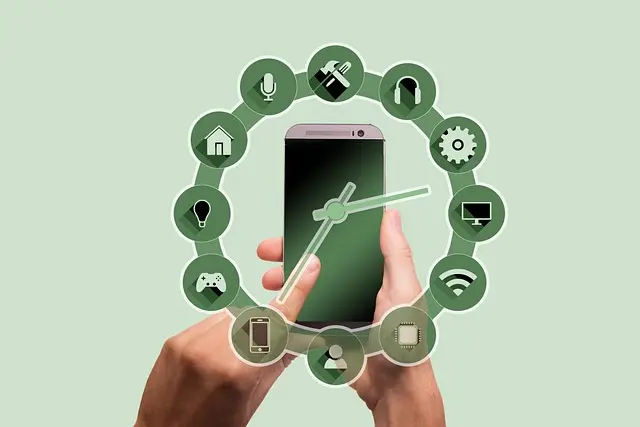
Smart home technology refers to devices that allow the automation of household tasks using internet connectivity. These devices can monitor and control systems such as lighting, heating, cooling, security, and appliances. The primary goal is to make homes more efficient and responsive to the occupants’ needs while minimizing energy waste.
For instance, a smart thermostat learns the homeowner's schedule and preferences, adjusting the temperature to optimize energy use. This not only enhances comfort but also reduces energy bills significantly. A study by INSEE in 2025 showed that homes with smart thermostats saved an average of $180 per year on heating and cooling alone.
Benefits of Smart Home Devices on Energy Efficiency
Smart home devices offer various benefits that directly contribute to energy efficiency:
- Real-time monitoring: Users can monitor their energy consumption in real-time, allowing for informed decisions.
- Automation: Devices can be programmed to operate when needed, reducing unnecessary energy use.
- Energy-efficient appliances: Many smart appliances are designed to use less energy than their conventional counterparts.
- Integration: Smart devices can work together, enhancing overall efficiency.
How to Optimize Energy Use with Smart Home Technology
Implementing smart home technology can be straightforward when approached methodically. Here’s a step-by-step guide to optimizing energy use:
- Evaluate Your Needs: Start by assessing areas in your home that consume the most energy—typically heating, cooling, and lighting.
- Select Compatible Devices: Choose devices that can easily integrate with your existing home network. Look for products that communicate with each other for better integration.
- Professional Installation vs. DIY: Depending on your technical skills, some devices may require professional installation. Ensure that you follow all guidelines for installation.
- Set Automated Schedules: Once installed, create specific schedules for devices based on your daily routines. For example, program your thermostat to lower the temperature when you're not home.
- Regular Monitoring and Adjustment: After implementation, monitor the energy usage continually. Make adjustments as needed based on seasonal changes or shifts in household activity.


WHALL - 2 Slice Toaster, Toasters 2 slice, Smart Bread Toaster, Touchscreen Toaster wide slots - Stainless Steel
bestbuy.com
Comparing Smart Thermostats and Traditional Thermostats
| Feature | Smart Thermostat | Traditional Thermostat | Verdict |
|---|---|---|---|
| Energy Monitoring | Yes | No | Smart thermostat wins |
| Remote Access | Yes | No | Smart thermostat wins |
| Learning Capability | Yes | No | Smart thermostat wins |
| Cost | Higher upfront | Lower upfront | Traditional may be cheaper |
When assessing the benefits of smart devices, smart thermostats stand out due to their energy-saving features and user-friendly interfaces. According to Les Numériques, upgrading to a smart thermostat can result in a return on investment within three years due to the energy savings generated.
Trends in Smart Home Technology
Recent trends indicate a significant growth in smart home technologies, driven by the increasing need for energy efficiency and sustainability. In 2026, the global smart home market is projected to reach $174 billion, with energy efficiency devices leading the charge. As consumers become more environmentally conscious, demand for smart solutions tailored towards energy savings continues to rise.
Additionally, advancements in artificial intelligence and machine learning are enhancing the capabilities of smart home devices. For instance, newer models can better predict household habits, allowing for even more efficient energy usage.
💡 Expert Insight: Engaging with smart home technology requires understanding both the devices and how they interact within the ecosystem of your home. Regular updates and maintenance ensure that the devices continue to operate effectively, prolonging their lifespan and maximizing energy savings.
What are the most common smart home devices for energy efficiency?
Some of the most common smart home devices include smart thermostats, energy-efficient lighting systems, smart plugs, and energy monitoring systems.
How much can I save on energy bills with smart home technology?
Homeowners can typically save between 10% and 30% on their energy bills, depending on the devices and their usage.
Are smart home devices difficult to install?
Many smart home devices are designed for easy installation by the homeowner, while others may require professional assistance.
Can I control smart home devices remotely?
Yes, most smart home devices can be controlled remotely via a smartphone app, giving users the flexibility to manage their home from anywhere.
📺 Resource Video
For further insight, watch How Smart Home Technology Saves Energy, an in-depth analysis of the impact smart devices have on household efficiency. Search on YouTube: smart home energy saving technology 2026.
Checklist before Purchase
- [ ] Assess your energy consumption areas
- [ ] Choose devices compatible with your home network
- [ ] Compare energy savings of devices
- [ ] Set up remote access features
- [ ] Monitor and adjust your system regularly


Glossary
| Term | Definition |
|---|---|
| Smart Thermostat | A device that automatically adjusts heating and cooling settings based on user preferences and habits. |
| IoT (Internet of Things) | A network of interconnected devices that communicate and share data. |
| Energy Monitoring | The process of tracking energy consumption to optimize usage and reduce waste. |
Conclusion
Smart home technology not only enhances the comfort of our daily lives but also plays a critical role in promoting energy efficiency. By understanding and implementing these tools, homeowners can reduce their environmental impact while also enjoying financial savings. As technology evolves, embracing these solutions becomes increasingly essential for a sustainable future.
Discover our recommended devices below to start your journey towards a smarter, more energy-efficient home!
📺 Pour aller plus loin : smart home energy saving technology 2026 sur YouTube
Recommended products
Selected by our experts