Table of Contents (16 sections)
Smart home technology is not just a trend but a transformative force that is reshaping how we conduct our daily lives. With advancements in technology, these systems are designed to increase efficiency, enhance security, and improve the overall quality of life. As we move further into 2026, the implications of integrating smart devices into our homes become even more profound.
What is Smart Home Technology?
Smart home technology includes devices and systems that connect to the internet and enable users to remotely manage and monitor their home environment. This can range from smart thermostats and lights to security cameras and smart appliances. According to Statista, the smart home market is expected to exceed $200 billion by 2026, demonstrating a significant shift in consumer behaviors and preferences towards these technologies.
The importance of smart home technology lies in its ability to enhance convenience. Imagine adjusting your home’s temperature or locking your doors from your smartphone while at work. These functionalities not only save time but also reduce energy consumption, contributing to a sustainable lifestyle. Moreover, with the rise of IoT (Internet of Things), interoperability between devices enhances their usability, allowing for seamless integration into our daily routines.
How Smart Home Devices Improve Daily Routines
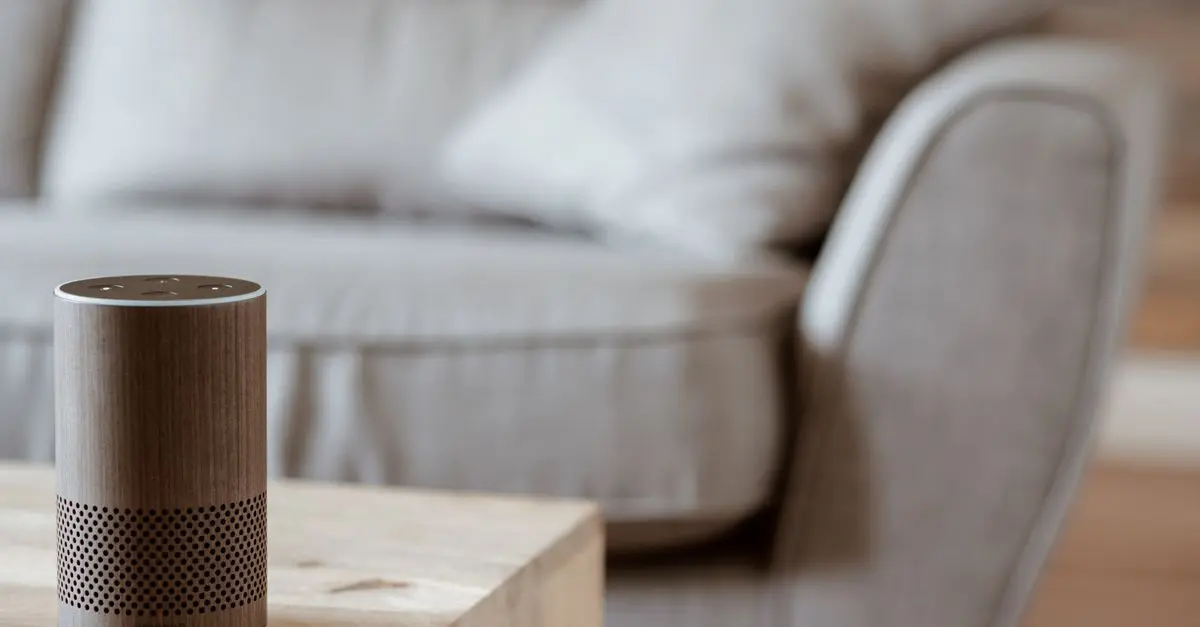
The integration of smart home technology into daily routines is evident in several ways. For instance, smart speakers, such as those powered by Google or Amazon, can respond to voice commands to play music, set reminders, or control other smart devices, creating a more connected and responsive environment. This allows individuals to multitask efficiently, especially for busy families or professionals.
Additionally, smart kitchen appliances are revolutionizing cooking. Smart ovens can be preheated remotely with a smartphone application, while smart refrigerators can monitor grocery supplies and suggest recipes based on available ingredients. This not only makes cooking more accessible but also minimizes food waste, as users can track expiration dates and plan meals accordingly.

WHALL - 2 Slice Toaster, Toasters 2 slice, Smart Bread Toaster, Touchscreen Toaster wide slots - Stainless Steel
bestbuy.com


Comparative Analysis of Smart Home Devices
To understand the impact of various smart home devices, here’s a comparative table highlighting the functionality and benefits of three popular smart home categories:
| Device Type | Features | Pros | Cons |
|---|---|---|---|
| Smart Thermostats | Remote control, learning capabilities, energy monitoring | Energy savings, convenience | Initial installation cost |
| Smart Speakers | Voice activation, integration with apps | Hands-free control, multifunctional | Privacy concerns |
| Smart Security Cameras | 24/7 monitoring, mobile alerts | Increased security, peace of mind | Subscription fees for cloud storage |
Impact of Smart Home Technology on Security
Security is another critical aspect where smart home technology significantly impacts daily life. The presence of smart security systems, including doorbell cameras and motion detectors, has changed how homeowners approach safety. In a 2025 study by the Pew Research Center, it was reported that homes equipped with smart security technologies experienced a 20% drop in burglaries compared to those without.
This trend emphasizes not only the effectiveness of these devices in preventing crime but also the peace of mind they provide to families. Homeowners can monitor their homes remotely, set alerts, and review footage from anywhere, ensuring continuous oversight. As technology continues to advance, we can anticipate even greater integration of AI for real-time threat detection and response.
Future Predictions for Smart Home Technology
Looking ahead, we can expect the smart home technology landscape to evolve rapidly. As of 2026, users express a growing interest in AI-driven solutions that enhance their lifestyles. For example, predictive analytics can streamline routines based on user behavior, optimizing energy consumption and improving comfort. Furthermore, the demand for sustainable technologies is surging, leading to innovations that reduce environmental impact, such as energy-efficient appliances and solar-powered devices.
Additionally, advancements in cybersecurity will be crucial as more families adopt smart technology. Ensuring user data privacy and securing systems against hacking will become a primary focus for manufacturers. Thus, the future of smart home technology looks promising, but it’s imperative to remain vigilant about security.
What is smart home technology?
Smart home technology involves devices that connect to the internet, allowing remote management of home environments.
How does smart home technology improve home security?
Smart home technology enhances security with devices like cameras and alarm systems that provide real-time monitoring and alerts.
Are smart home devices expensive?
While initial costs can be high, many smart home devices offer long-term savings on energy bills and enhanced convenience.
What are the advantages of using smart home technology?
Smart home technology offers convenience, energy efficiency, improved security, and increased control over personal environments.
Glossary
| Term | Definition |
|---|---|
| IoT (Internet of Things) | A network of physical devices connected to the internet, allowing them to communicate and collect data. |
| Smart Appliances | Devices that connect to a network for enhanced functionality and remote control. |
| Predictive Analytics | Technology that uses data to predict future behavior or trends, optimizing home functions. |


Checklist before Purchase
- [ ] Assess your smart home needs.
- [ ] Compare different smart home device functionalities.
- [ ] Check compatibility with existing systems.
- [ ] Consider installation options (DIY vs. professional).
- [ ] Review data privacy and security features.
📺 For further insights:
Explore our recommended video about smart home technology trends. Search on YouTube: "smart home devices trends 2026".
Conclusion
The advancements in smart home technology are undeniable, and as more people adopt these devices, we will continue to witness significant changes in our daily routines. The integration of convenience, efficiency, and security allows for an enhanced quality of life, making it an exciting era for homeowners. For those looking to improve their home experience, exploring smart devices is highly recommended.
Recommended Products
- 2. 3. ---
📺 Pour aller plus loin : smart home devices trends 2026 sur YouTube
Recommended products
Selected by our experts