Table of Contents (10 sections)
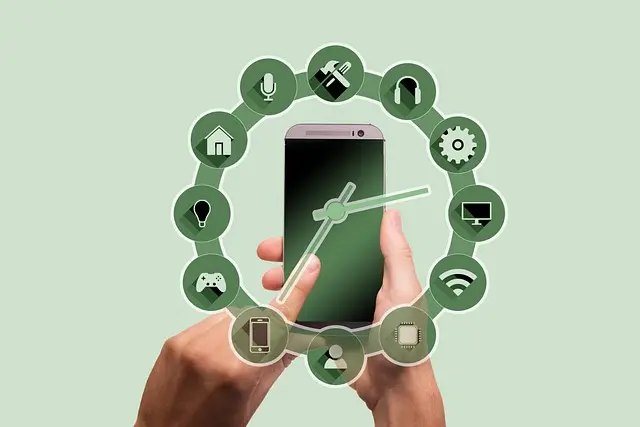
Smart home technology is rapidly transforming how we live and manage our households. In 2026, its prevalence is not just a trend but a fundamental shift towards automation and efficiency. This technology includes a wide range of devices, from smart speakers to security cameras, designed to enhance convenience, increase safety, and improve the overall home experience.
What is Smart Home Technology?
Smart home technology refers to various devices and systems connected to the internet, allowing users to control and monitor their homes remotely. This includes but is not limited to smart thermostats, lighting systems, security cameras, and appliances. The interconnected nature of these devices enables users to automate daily tasks, improving energy efficiency and convenience.
According to UFC-Que Choisir, the market for smart home devices has seen significant growth, with an expected annual increase of over 25% in adoption rates through 2026. This surge highlights the rising demand for automation and security in households. In essence, smart home technology is revolutionizing our relationship with our living spaces, making them more responsive to individual needs.
The Benefits of Adopting Smart Home Technology
Adopting smart home technology offers numerous benefits. One of the most significant advantages is enhanced control and convenience. With voice-activated assistants, such as smart speakers, household tasks can be completed hands-free. Whether it's adjusting the thermostat or turning off appliances, this technology simplifies daily activities.
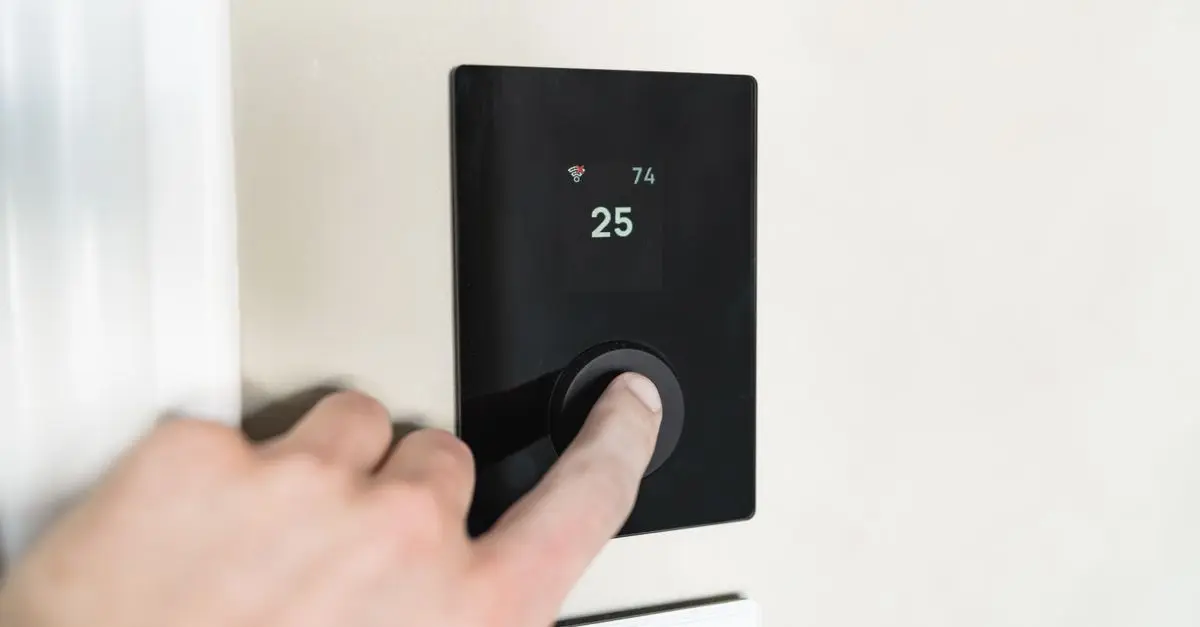
Moreover, smart devices often contribute to improved energy efficiency. Smart thermostats, for instance, learn user behaviors and adjust heating and cooling accordingly, which can lead to substantial savings on energy bills. According to a study by 60 Millions de Consommateurs, homes equipped with smart energy-saving devices can reduce energy consumption by up to 30%.

WHALL - 2 Slice Toaster, Toasters 2 slice, Smart Bread Toaster, Touchscreen Toaster wide slots - Stainless Steel
bestbuy.com


How to Implement Smart Home Technology: Step-by-Step
Implementing smart home technology may seem daunting, but it can be broken down into simple steps:
- Assess Your Needs: Start by identifying the areas of your home that could benefit most from automation—like lighting, security, or climate control.
- Choose Compatible Devices: Ensure the devices you select are compatible with each other and with your current home network. Many devices now work seamlessly with established systems.
- Install and Configure: Follow the manufacturer's guidelines for installation. This often involves connecting devices to your home's Wi-Fi and setting them up through an app.
- Optimize Automation: Once installed, take advantage of automation features. Schedule lighting or make security systems alert you when unusual activity is detected.
- Regularly Update: As with any technology, software updates are crucial for security and performance improvements. Check for updates regularly to keep your systems running smoothly.
Comparing Smart Home Devices: A Table of Choices
When selecting smart home devices, comparing different options helps make informed decisions. The table below illustrates some key features of popular smart home devices:
| Device Type | Option A | Option B | Option C | Verdict |
|---|---|---|---|---|
| Smart Thermostats | Brand X | Brand Y | Brand Z | Brand X offers superior energy savings and usability. |
| Security Cameras | Model A (HD) | Model B (4K) | Model C (Pan/Tilt) | Model B provides the best image quality. |
| Smart Lighting | Bulb A | Bulb B (Colored) | Bulb C (Dimmable) | Bulb B is the most versatile choice. |
The Future of Smart Home Technology
Looking beyond 2026, the future of smart home technology appears promising. With advancements in artificial intelligence and machine learning, the ability of these devices to learn and adapt to user preferences will only increase. Moreover, the increased focus on sustainability will likely lead to more energy-efficient devices, as the world pushes for environmentally friendly solutions. According to Les Numériques, trends suggest that homes will not only become more automated but also more integrated, with various systems communicating more effectively to streamline management.
💡 Expert opinion: “The integration of AI into smart home technology represents a paradigm shift in how we interact with our spaces. As these technologies evolve, expect them to enable unprecedented personalization and automation.” — Tech Analyst at Les Numériques.
📺 Resource Video
> 📺 For a deeper dive: Explore the latest trends in smart home automation and understand its impact on daily living. Search on YouTube: 2026 smart home technology trends.

Checklist Before Buying Smart Home Devices
- [ ] Define primary automation needs
- [ ] Research device compatibility
- [ ] Consider future scalability
- [ ] Check for user feedback and reviews
- [ ] Look for energy-saving features
Glossary
| Term | Definition |
|---|---|
| Smart Home | A residence equipped with devices that can be controlled via the Internet. |
| IoT (Internet of Things) | The network of devices connected to the Internet that collect and share data. |
| Home Automation | The automatic control of home lighting, heating, and appliances. |
---
📺 Pour aller plus loin : 2026 smart home technology trends sur YouTube
Recommended products
Selected by our experts