Table of Contents (11 sections)
In recent years, the concept of smart home integration has gained traction as homeowners seek ways to enhance comfort, increase security, and improve energy efficiency. Smart technology allows devices to connect, communicate, and be managed remotely, providing unprecedented control over various functions within the home.
1. Assess Your Needs and Goals
Before diving into smart home integration, it's essential to assess your needs and set clear goals. Begin by evaluating which areas of your home could benefit from automation. Consider aspects like lighting, security, climate control, and entertainment.
- Example: If you're often away from home, enhancing your security system with smart cameras could be beneficial. You might also want to automate lighting for convenience or energy savings.
This assessment should help you formulate a plan tailored to your lifestyle. For instance, a survey from Statista indicated that in 2025, 60% of households considered security a top priority in their smart home investments. This data helps in prioritizing your smart tech purchases.
2. Choose Compatible Smart Devices
Once you have identified your needs, research compatible smart devices. The market is flooded with options, from smart bulbs to security cameras. Choosing devices that work seamlessly together is crucial for effective smart home integration.
- Tip: Always check for compatibility with major platforms like Google Home, Amazon Alexa, or Apple HomeKit. For example, a user reviewing their experience found that mixing brands can lead to connectivity issues.
Consider conducting a market comparison or reading user reviews on platforms like UFC-Que Choisir to evaluate device performance and compatibility. Creating a diverse yet compatible ecosystem will facilitate smoother integration.


3. Establish a Central Hub
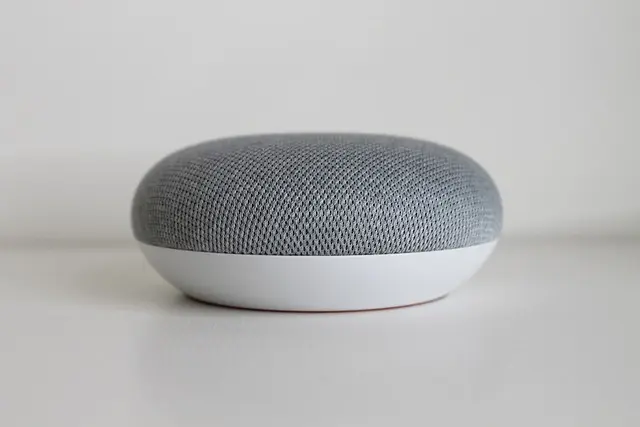
A central hub serves as the heart of your smart home. It allows different devices to communicate with each other and can streamline control. Popular options include smart speakers or dedicated smart home hubs.
- Benefits: By having a central hub, users report increased reliability and easier management of their smart home devices. It also enables automation features, such as setting schedules for your smart lights.
Research from Les Numériques suggests that homes with a central hub can boost their functionality by over 30%. If you decide on a central hub, ensure it supports the devices you've chosen.
4. Install and Setup Devices Step-By-Step
The installation process varies by device but usually follows a simple routine:
- Unbox the device and read the manufacturer's instructions carefully.
- Connect the device to your Wi-Fi network.
- Use the corresponding app to complete the setup.
Common pitfalls include neglecting to update your apps or firmware. Regular updates can improve security and functionality, so make it a habit to check for updates monthly.
5. Personalize Automations and Routines
Once your devices are installed and connected, you can personalize automations for optimal convenience. This may involve setting up schedules or routines.
- For example: You could program your lights to turn on automatically at sunset or your thermostat to adjust at specific times. Research by INSEE showed that 57% of smart home users utilize routines, enhancing their daily comfort.
Take advantage of app features to customize scenes that fit your lifestyle. Effective automations not only simplify daily tasks but can also contribute to energy savings.
6. Monitor and Optimize Performance
After integrating your smart devices, regular monitoring is key to ensure everything works seamlessly. Keep an eye on device performance via their respective apps.
- Tip: Utilize customer feedback to adjust settings or improve device performance in your smart home ecosystem. Some devices provide feedback and analytics that can help streamline your energy use.
Monitoring performance can make the difference between an average smart home experience and an exceptional one. Understand that regular checks can prevent larger issues, such as connectivity failures.


eufy Permanent Outdoor Lights S4 (150ft with 108 LED Lights) +Free eufy Outdoor String Lights E10 White
eufy.com

Conclusion
Incorporating smart technology into your home can significantly enhance your quality of life and create a more efficient living space. With careful planning and execution, you can enjoy the full benefits of smart home integration.
Checklist before Implementation
- [ ] Assess your needs and set goals
- [ ] Research compatible smart devices
- [ ] Invest in a central hub
- [ ] Follow installation instructions meticulously
- [ ] Create personalized automations
- [ ] Monitor device performance regularly
📺 Resource Video
> 📺 For further insights: How to Set Up Your Smart Home Efficiently, an extensive guide to integrating smart tech in your house. Search on YouTube: smart home setup tutorial 2026.
Glossary
| Terme | Définition |
|---|---|
| Smart Home | A residence equipped with technology to manage systems like lighting and security remotely. |
| Central Hub | A device that connects smart home devices to create an integrated ecosystem. |
| Automation | A programmed sequence that allows devices to perform tasks automatically based on defined conditions. |
---
📺 Pour aller plus loin : smart home setup tutorial 2026 sur YouTube
Recommended products
Selected by our experts


Govee Permanent Outdoor Lights 2 - White / 100ft + 16.4ft Extension Lights
govee.com