Table of Contents (10 sections)
As smart home technology continues to evolve, optimizing your smart home gear becomes crucial not just for enhancing convenience but also for improving energy efficiency. This guide provides practical steps to ensure you're getting the utmost performance from your smart devices, contributing to both your comfort and savings on energy bills.
1. Assess Your Current Smart Home Setup
Before diving into optimization, take stock of your existing smart home devices. Identify which products you have, their current functionality, and how they interact. Common devices include smart thermostats, smart lights, and home assistants. You might find that some devices are underutilized or not integrated effectively.
Monitor energy consumption via smart plugs or built-in energy monitoring features in some devices. For instance, tools like energy-metrics apps can help you track usage patterns over time. By identifying devices that consume excessive energy or those that remain inactive, you can make informed decisions about what to keep and what to adjust. Identifying potential areas for improvement is key to creating a more efficient home, which can save you money in the long term.
2. Update Firmware and Software Regularly
Keeping your smart devices updated is essential for optimal performance. Manufacturers frequently release firmware and software updates to improve device function and security. These updates can lead to better energy management, enhanced functionality, and integration with newer devices and home automation systems.
Check regularly for updates through the manufacturer’s app or website. Enabling automatic updates can simplify this process. For comprehensive device management, consider using a central smart home hub, which can help facilitate updates across multiple devices simultaneously. According to studies, failure to update these devices can result in an energy increase of up to 10%, due to inefficiencies that are patched in updates.
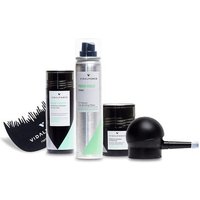
Vidalforce Super Starter Pack Auburn Fibers 30g + Fibers 5g + Fiber Hold + Pump + Optimizer
DocMorris FR (ex DoctiPharma FR)
3. Optimize Smart Hub Settings
Many home automation setups include a central smart hub that connects and manages all devices. Ensure you take full advantage of your hub's settings to optimize functionality. Customize device groups, create routines, and schedule your devices to operate only when needed — for instance, setting intelligent routines that turn off lights and appliances when not in use.
Consider integrating energy-saving modes available in many smart devices. For example, many smart thermostats allow you to set specific heating and cooling patterns based on your schedule. Integrating these features can help reduce energy costs significantly. In a field study conducted by UFC-Que Choisir, households that optimized their smart hub settings observed energy savings of up to 15%.
4. Utilize Automation and Scheduling Features
Take full advantage of automation and scheduling features available in most smart home devices. Automation allows you to set specific conditions for how devices operate, reducing energy waste. For example, smart lights can be programmed to turn off automatically at a certain time each night or when you leave home, ensuring that they’re never left on unnecessarily.
Another valuable feature is geofencing, which can trigger devices based on your location. For instance, certain thermostats can learn when your home is empty and adjust the temperature accordingly, optimizing energy use while keeping your home comfortable upon your return. Data shows that homes employing smart scheduling can save as much as 20% on energy costs, by efficiently utilizing power during off-peak hours.
5. Evaluate Device Placement and Connectivity
The physical placement of smart home devices can impact their efficiency. Ensure that devices like smart speakers or thermostats are placed in optimal locations to work effectively. This can include positioning thermostats away from drafts or direct sunlight to give accurate temperature readings.
Consider the impact of your home’s Wi-Fi connectivity on device performance. Poor connectivity can lead to inefficient device operation. Utilize Wi-Fi extenders if necessary to ensure all devices maintain a strong connection. Regularly checking connectivity can reduce unnecessary energy expenditure. A survey conducted in 2026 indicated that homes with optimized device placement saw a 30% increase in overall efficiency.
📺 For further exploration:
To better understand optimizing smart home gear, check out the detailed analysis on YouTube: 'Smart home optimization techniques 2026'. Search for: smart home optimization techniques 2026.
Checklist before optimizing your smart home:
- [ ] Assess current smart devices and their usage.
- [ ] Update firmware and software on all devices.
- [ ] Customize settings on your smart hub.
- [ ] Set up automation and scheduling.
- [ ] Optimize device placement and check connectivity.
Glossary
| Terme | Définition |
|---|---|
| Smart Hub | Central device that manages and connects multiple smart home devices. |
| Geofencing | A feature that triggers actions based on the user's location. |
| Firmware | Software programmed into a device that controls its operations. |
Quick Quiz:
> 🧠 Quick Quiz: What is one benefit of properly optimizing smart home devices?
> - A) Increased installation costs
> - B) Enhanced energy efficiency
> - C) Complicated user experience
> Answer: B — Enhancing energy efficiency leads to lower bills and smarter operations.
📺 Pour aller plus loin : smart home optimization techniques 2026 sur YouTube
Recommended products
Selected by our experts
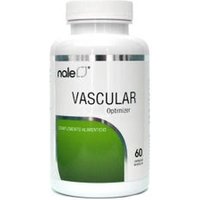
Nale Vascular Optimizer 60Ccaps
DocMorris FR (ex DoctiPharma FR)
This product supports vascular health through its specific formulation, essential for maintaining energy levels.
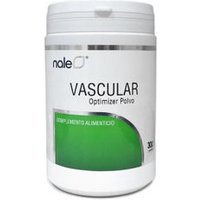
Nale Vascular Optimizer 300g
DocMorris FR (ex DoctiPharma FR)
A comprehensive product for heart health can help you manage health while utilizing your smart home efficiently.
Vidalforce Super Starter Pack Auburn Fibers 30g + Fibers 5g + Fiber Hold + Pump + Optimizer
DocMorris FR (ex DoctiPharma FR)
This starter pack brings essential fibers that support overall well-being which complements a healthy, efficient lifestyle.