Table of Contents (17 sections)
In today’s digital age, our homes are becoming increasingly smarter. This shift not only enhances convenience but also boosts home efficiency through smart devices that manage energy consumption, improve automation, and ensure safety. The integration of these technologies can lead to significant savings on energy bills and create an environmentally friendly living space. In this article, we will cover practical steps to elevate your home’s efficiency using smart technology, while analyzing their benefits, comparing popular options, and providing essential tips.
Step 1: Assess Your Current Home Efficiency
Before diving into the world of smart gadgets, it’s critical to assess your home’s existing efficiency levels. Start by conducting a thorough energy audit, which helps identify areas where energy is being wasted. Common culprits include outdated appliances, poor insulation, and inefficient lighting. A report by UFC-Que Choisir suggests that homes with energy audits save an average of 15% on electricity costs in the first year after implementing changes. Consider using energy monitoring devices, which can provide real-time data on your electricity usage patterns. These insights will guide your next steps and ensure that you invest in the right technologies to enhance your home’s efficiency.
Step 2: Upgrade to Smart Thermostats
One of the most significant advancements in home technology is the smart thermostat. These devices allow homeowners to control their heating and cooling systems remotely via smartphone applications. According to a study by the Environmental Protection Agency, homes with smart thermostats can reduce their energy consumption by up to 10-12% per year. Models like the Nest Learning Thermostat and Ecobee SmartThermostat adapt to your heating and cooling needs based on your behaviors and schedules.
Criteria for Choosing a Smart Thermostat:
- Compatibility with existing HVAC systems
- User-friendly app interface
- Learning capabilities and automation features
- Energy usage reports and analytics
💡 Expert Tip: Look for models that integrate with other smart home systems, such as Amazon Alexa or Google Home, for enhanced functionality. Avoid devices that are overly complex; user feedback suggests that ease of use is vital for maximizing their benefits.
Step 3: Implement Smart Lighting Solutions
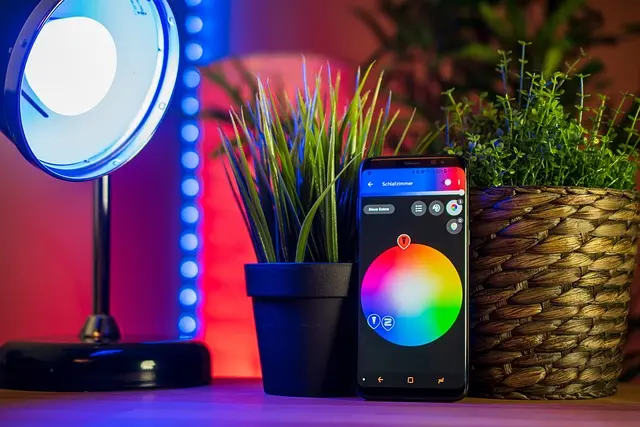
Smart lighting is another area where you can drive home efficiency. Replacement of incandescent bulbs with LED smart bulbs can significantly lower your electricity usage. Smart bulbs allow you to set schedules, dimmability, and even adjust colors to create the right ambiance for any occasion. Philips Hue and LIFX are leading brands that offer versatile options. Statistics indicate that households can save up to 80% on lighting costs by converting to LEDs alone.
Advantages of Smart Lighting:
- Enhanced energy savings compared to standard bulbs
- Ability to control lights remotely
- Integration with smart home systems for automation
Step 4: Optimize Your Appliances with Smart Tech
Upgrading your essential appliances to smarter, more efficient models can be a game changer. Options like smart refrigerators, ovens, and washing machines not only consume less energy but can also be monitored and controlled remotely. For instance, smart washers can adjust water levels based on load size and fabric type. Samsung and LG are known for their innovative smart appliances that help track energy usage and maintenance alerts.
Considerations for Smart Appliances:
- Energy efficiency ratings (look for Energy Star certified products)
- Remote control capabilities via mobile apps
- Integration with home automation systems
To avoid potential pitfalls, always check the warranty and customer support options provided by manufacturers before purchasing.
Step 5: Explore Smart Energy Monitoring Devices
To keep track of your energy consumption in real-time, consider investing in a smart energy monitor. These devices connect to your home’s electrical panel and provide insights into your energy usage, allowing you to identify which appliances consume the most power. According to INSEE, approximately 40% of homeowners can cut their consumption by changing usage habits once they have visibility into their energy use.
Important Features to Look For:
- Detailed energy usage analytics
- Integration with your existing smart home systems
- Notifications for abnormal energy consumption
We recommend models such as the Sense Energy Monitor or Emporia Vue, known for their user-friendly interfaces and robust analytics capabilities.
📺 Resource Video
> 📺 For further insight: Exploring Smart Home Gadgets for Maximum Efficiency, an in-depth analysis of various devices available today. Search on YouTube: "best smart home devices 2026".
Comparison Table of Smart Devices
| Feature | Smart Thermostat | Smart Lighting | Smart Appliances | Smart Energy Monitor |
|---|---|---|---|---|
| Energy Savings Potential | 10-12% | 80% with LED | Varies by model | Varies by usage |
| Remote Control | Yes | Yes | Yes | Yes |
| Learning Capabilities | Yes | Limited | Yes | No |
| Integration with Smart Home | Yes | Yes | Yes | Yes |
| Typical Price Range | $100-$250 | $20-$60 | $500-$3,000 | $80-$200 |
Checklist before buying Smart Devices
- [ ] Conduct an energy audit
- [ ] Research product reviews and performance
- [ ] Check compatibility with existing devices
- [ ] Verify warranty and support options
- [ ] Monitor energy usage patterns post-installation
Glossary
| Term | Definition |
|---|---|
| Smart Device | An internet-connected gadget that communicates with users and other devices. |
| Energy Audit | A comprehensive evaluation of energy use and waste in a home. |
| Energy Star | A program that helps homeowners identify energy-efficient appliances. |
Conclusion
Investing in home efficiency smart devices can dramatically reduce energy consumption, enhance the comfort of your living space, and contribute to a sustainable lifestyle. Take the first steps today to transform your home into a smarter, more efficient environment. If you need more personalized advice regarding specific devices or setups, feel free to reach out!
Call to Action
Ready to make your home smarter? Start by evaluating your current energy usage today and explore smart device options that can work for you!
📺 Pour aller plus loin : best smart home devices 2026 sur YouTube