Table of Contents (15 sections)
Introduction to Smart Technology in Indoor Gardening
Indoor gardening has always been a rewarding yet challenging task. With the advent of smart technology, cultivating plants indoors has been revolutionized, offering a streamlined and efficient approach. By incorporating smart gadgets, such as sensors and automated systems, gardeners can have better control over environmental factors like light, humidity, and water supply.
Smart technology in indoor gardening utilizes IoT (Internet of Things) to connect devices, ensuring plants receive optimal care. The use of smart sensors to monitor soil moisture, smart lights that simulate natural sunlight, and automated watering systems significantly ease the workload of manual gardening. This integration leads to healthier plants and more precise care.
Why Smart Technology Matters for Indoor Gardening
Smart technology transforms indoor gardening by providing data-driven insights and efficient management tools. According to UFC-Que Choisir, about 62% of people found their plant care improved significantly after adopting smart devices.
One of the main challenges in indoor gardening is maintaining the right environment for plants to thrive. With smart technology, you can automate light schedules using smart LED grow lights, which mimic the sun's spectrum. Moreover, smart irrigation systems enable precise watering schedules, preventing over or under-watering. This technological advancement supports the growth of various plant types, making it accessible for beginners and experts alike.
How to Incorporate Smart Technology in Your Indoor Garden
Incorporating smart technology into your indoor garden is simpler than it seems. Follow these steps to enhance your gardening experience:
- Assess Your Needs: Determine what aspects of your garden require automation — lighting, watering, monitoring, etc.
- Choose Appropriate Gadgets: Select gadgets based on your priorities. If you struggle with watering, consider a smart irrigation system. For lighting issues, use smart LED grow lights.
- Install the Devices: Follow manufacturer's instructions to set up the gadgets. Ensure your Wi-Fi network is strong for seamless connectivity.
- Monitor and Adjust: Use apps to monitor your garden's health. Adjust settings based on plant performance and environmental changes.
These steps make integrating smart technology straightforward, leading to a more enjoyable gardening experience and healthier plants.
Smart Technology Options: A Comparison
Here's a comparison of several smart technologies available for indoor gardening:
| Feature | Smart Light | Smart Sensor | Smart Irrigation | Comprehensive Kit |
|---|---|---|---|---|
| Functionality | Lighting | Moisture/temp | Watering | All-in-one |
| Installation | Easy | Moderate | Easy | Varies |
| Customization | High | Moderate | High | High |
| Best For | Light needs | Monitoring | Water control | Full automation |
Data-Driven Insights into Smart Indoor Gardening
Recent trends highlight a significant increase in the adoption of smart garden systems. According to a 2026 report by INSEE, the market for smart home gardening systems is estimated to grow by 20% annually.
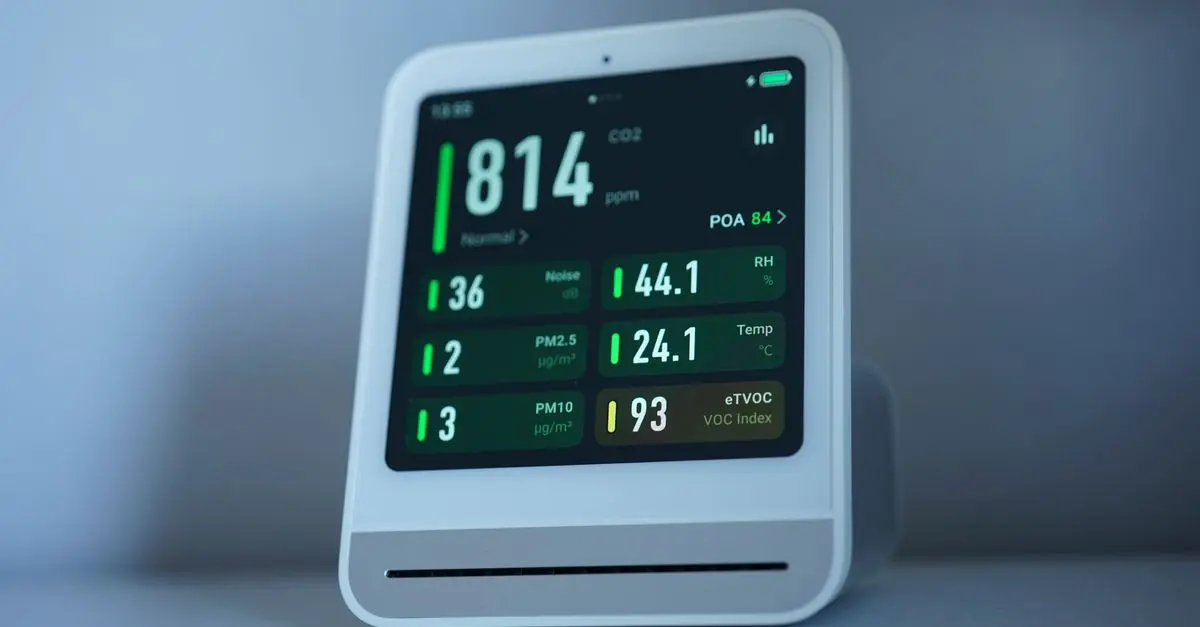
Smart technology not only optimizes the care of plants but also provides valuable data analytics. For example, tracking temperature and humidity helps in adjusting the environment promptly, ensuring plants are in an optimal setting. This data-driven approach allows gardeners to predict issues before they severely affect plant health.
💡 Expert Opinion: Dr. Suzanne Yates, an indoor gardening specialist, emphasizes, "Smart technology is a game-changer for urban gardeners, permitting tailored care and reduced effort while boosting success rates dramatically."
📺 Resource Video
> 📺 For further learning: Smart Indoor Gardens: How to Start and Succeed, a comprehensive guide on implementing smart technology in gardens. Search YouTube: "smart indoor garden tips 2026".
FAQs
What is smart technology in indoor gardening?
Smart technology in indoor gardening refers to devices and systems that automate and enhance the care of plants, such as smart lights, irrigation systems, and sensors.
How do smart sensors work in gardens?
Smart sensors monitor soil moisture, temperature, and humidity levels, sending data to a connected app for real-time plant care insights.
Can I use smart technology in a small apartment?
Yes, smart devices are versatile and can be adapted to any space, making them ideal for small apartments where space management is critical.
Are smart gardens suitable for all plant types?
While they are suitable for most common indoor plants, it's essential to adjust settings based on specific plant requirements.
Glossary
| Term | Definition |
|---|---|
| IoT | Internet of Things; a network of connected devices that exchange data. |
| Smart Sensor | A device that collects data about its environment and transmits it electronically. |
| Automated Systems | Systems that function with minimal human intervention, often using sensors and software. |
Checklist Before You Start
- [ ] Assess your gardening needs
- [ ] Research appropriate smart gadgets
- [ ] Purchase devices suitable for your space
- [ ] Install devices and set up connections
- [ ] Regularly monitor and adjust device settings based on plant growth
🧠 Quiz rapide
> 🧠 Quick Quiz: Which factor is crucial when setting up a smart garden?
> - A) Temperature monitoring
> - B) Manual watering
> - C) Unsynchronized lighting
> Answer: A — Maintaining the right temperature is crucial for plant health.