Table of Contents (9 sections)
Understanding Sustainable Smart Home Technologies
In 2026, sustainable smart homes are no longer a futuristic concept but an integral part of modern living. These homes utilize advanced technologies to reduce environmental impact while enhancing comfort and efficiency.
Smart thermostats like the Nest Learning Thermostat and Ecobee are widely used to optimize energy consumption by learning user habits and adjusting temperatures accordingly. According to a report by Deloitte, such devices can reduce energy bills by up to 15%, signifying their importance in energy conservation.
Another innovation is smart lighting systems, such as Philips Hue, which allow precise control over energy use, further minimizing waste. Motion-activated lights and solar-powered options have gained popularity, responding to consumer demand for sustainable solutions. This shift towards eco-conscious living is driven by increasing environmental awareness and advancements in IoT technologies.
💡 Expert Insight: "Investing in sustainable smart home technology is not just about savings. It's about leading a lifestyle that respects our planet."
How to Implement Eco-Friendly Smart Tech
Embracing eco-friendly smart tech in your home involves a few strategic steps:
- Assess Your Needs: Determine which areas of your home could benefit most from tech upgrades. This might involve evaluating energy consumption or inefficiencies in systems like heating or security.
- Choose Compatible Systems: Ensure new smart devices can integrate with existing systems. Many households prefer ecosystems like Amazon Alexa or Google Home for seamless management.
- Consider the Impact: Opt for devices with minimal carbon footprints. Research brands known for sustainable manufacturing practices.
- Install Incrementally: Start with high-impact areas like thermostats and lighting, then gradually integrate other technologies as needed.
This step-by-step approach ensures a smooth transition to a smarter, greener home.
Comparative Analysis: Key Technologies
| Technology Type | Energy Efficiency | Cost Savings | Environmental Impact | Verdict |
|---|---|---|---|---|
| Smart Thermostats | High | Moderate | Significant | Highly Effective |
| Smart Lighting | Moderate | High | Moderate | Eco-Friendly Kit |
| Smart Appliances | High | High | Significant | Best Long-term |
Smart Thermostats are highly effective in reducing energy wastage by learning behavior. Smart Lighting offers moderate cost saving but integrates easily into homes. Smart Appliances like energy-efficient washers reduce carbon footprints and offer long-term benefits.
Data-Driven Insights on Eco-Friendly Living
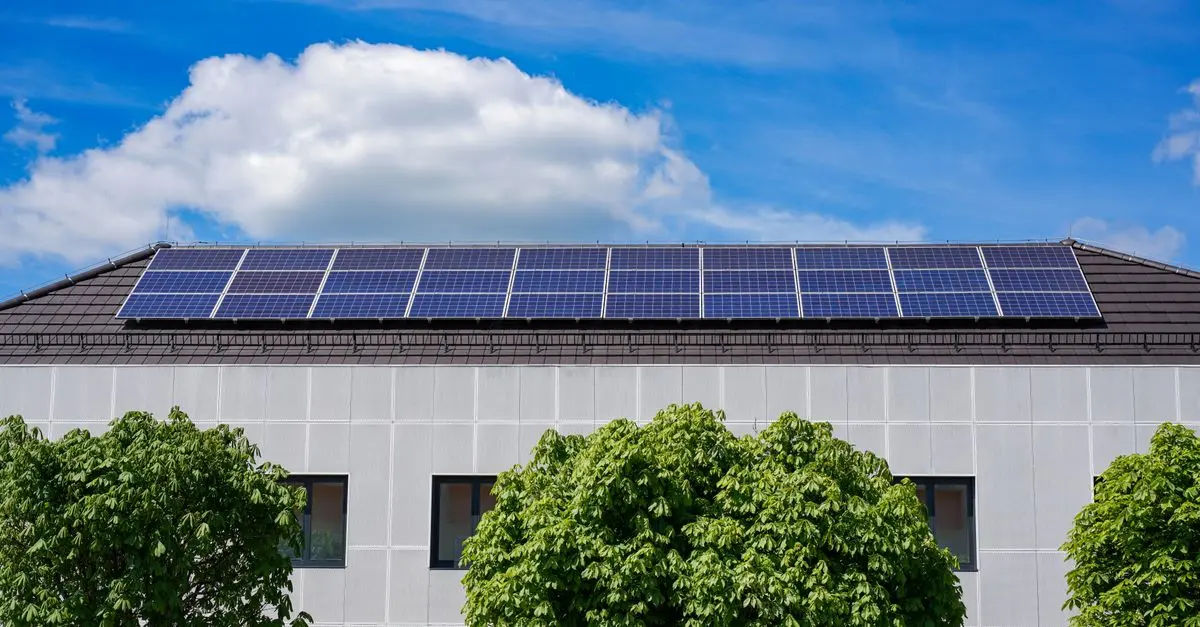
Sustainable living is bolstered by data and consumer behavior analyses. EnergySage reports that homes adopting solar-powered technologies witness an average 20% reduction in electricity costs. As governments push for cleaner energy, incentives like tax rebates on green technologies are becoming common, encouraging adoption.
The International Energy Agency predicts a 40% rise in smart home technology adoption by 2030, indicating a significant shift towards energy-efficient living. Consumer Reports highlights an increased demand for smart home gadgets that utilize AI for optimal energy management.
📺 Resource Video
> 📺 For deeper insights: Sustainable Smart Home Innovations 2026 provides a thorough analysis of cutting-edge eco-technologies. Search YouTube: Sustainable smart home trends 2026.
Frequently Asked Questions
Q1: What defines a sustainable smart home?
A: It's a home using technology to reduce environmental impact while enhancing living standards.
Q2: How can I make my existing home more eco-friendly?
A: Implement smart thermostats, lighting, and appliances for energy efficiency.
Q3: Are smart devices expensive to install?
A: Initial costs may vary, but energy savings often offset the investment over time.
Q4: Do smart home technologies really reduce energy bills?
A: Yes, devices like smart thermostats typically lower energy use and cut costs.
Checklist Before Purchase
- [ ] Evaluate current energy consumption
- [ ] Research compatible smart tech
- [ ] Check sustainability credentials
- [ ] Plan integration strategy
- [ ] Consider long-term savings
Glossary
| Terme | Définition |
|---|---|
| IoT | Internet of Things: interconnected devices sharing information. |
| Carbon Footprint | The total greenhouse gas emissions caused by an entity. |
| Smart Home Ecosystem | Integrated smart devices managed through a single platform. |
> 🧠 Quiz rapide : What is the main benefit of using a smart thermostat?
> - A) Immediate cost savings
> - B) Energy efficiency
> - C) Increased cooling capacity
> Réponse : B — Thermostats learn usage patterns to optimize energy use.