Table of Contents (10 sections)
In our fast-paced world, the incorporation of smart home devices has drastically changed the way we interact with our living spaces. These innovative technologies offer numerous benefits that enhance everyday routines while improving the overall quality of life. Essentially, smart home devices allow for increased convenience, energy efficiency, and security, leading to a more streamlined living experience.
What are Smart Home Devices?
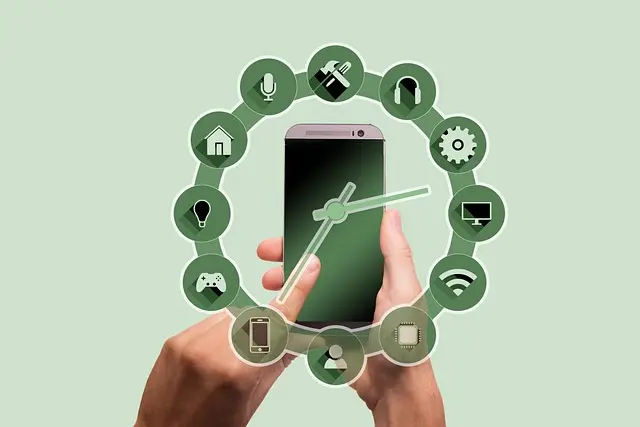
Smart home devices refer to a variety of technologies that connect to your home network, enabling remote management and automation. These include smart speakers, thermostats, lights, and security cameras, among others. They function through an internet connection and can be controlled via smartphones or other smart devices. According to the Consumer Technology Association, the smart home market is projected to grow significantly, with 82% of households expected to have at least one smart device by 2025. This growing trend underscores the rising demand and integration of smart technologies into everyday life.
How Can Smart Home Devices Transform Your Daily Life?
Smart home devices can transform mundane tasks into efficient routines. For example, the ability to control lighting with a smartphone app allows individuals to adjust their home’s ambiance without leaving their seats. Moreover, smart appliances like washers and dryers can be programmed remotely to operate during off-peak hours, cutting down on electricity costs. Moving beyond mere convenience, studies have shown that smart home technologies can save homeowners an estimated 30% on energy bills over time due to improved efficiency.
Improved Safety and Security
Security is paramount in any household, and smart home devices significantly enhance the security of residences. Modern smart locks, cameras, and alarm systems can be accessed and monitored in real-time, allowing homeowners to oversee their property even when they are away. According to the Pew Research Center, about 67% of consumers feel increasingly secure with smart home technologies, knowing they can monitor their homes remotely. This peace of mind encourages more families to invest in smart security solutions.
How to Choose the Right Smart Home Devices
Choosing the right smart home devices involves assessing your specific needs and determining which features are essential. Here’s a step-by-step guide on how to do it:
- Identify Your Needs: Consider what problems you'd like to solve, such as enhancing security or improving energy efficiency.
- Research Features: Look for features that complement your needs, such as voice control, mobile app access, and compatibility with other devices.
- Consider Compatibility: Ensure that the devices you select can integrate seamlessly into your existing home network and with each other.
- Read Reviews: User experiences can provide valuable insight into performance and reliability.
- Set a Budget: Price can vary widely, so establish a budget to guide your purchasing decisions.
Comparing Smart Home Devices
When comparing smart home devices, it's essential to evaluate their features and effectiveness. Below is a comparison table for common features in smart home devices:
| Feature | Option A (Smart Thermostat) | Option B (Smart Light) | Option C (Smart Lock) | Verdict |
|---|---|---|---|---|
| Remote Control | Yes | Yes | Yes | All have this option |
| Energy Efficiency | Yes | Limited | No | Smart Thermostat leads |
| Security Features | No | No | Yes | Smart Lock is superior |
| Cost | Moderate | Low | High | Smart Light is most affordable |
The Future of Smart Home Technology
As technology advances, the capabilities of smart home devices will only improve. Innovations such as machine learning and artificial intelligence will enable these devices to better predict user needs and automate routines. Additionally, enhancements in connectivity will allow for greater integration between various devices, creating a more cohesive smart home ecosystem. According to the International Data Corporation (IDC), the global spending on smart home devices is expected to reach $125 billion by 2026, indicating strong growth and consumer interest in this sector.
💡 Expert Opinion: The rise of smart home devices is not just a trend; it signifies a shift towards a more energy-efficient and secure lifestyle. As we incorporate these technologies, it's essential to prioritize devices that enhance our quality of life without compromising privacy and security.
FAQ about Smart Home Devices
- What are the most popular smart home devices?
Smart speakers, thermostats, and smart security systems are among the most popular devices.
- Are smart home devices worth the investment?
Yes, they offer significant long-term savings in energy costs and improve home security.
- Can I set up smart home devices myself?
Most devices come with easy-to-follow installation guides, making DIY setups quite feasible.
- How do I ensure my smart devices are secure?
Use strong passwords, enable two-factor authentication, and keep your devices updated.
Checklist before Purchasing Smart Home Devices
- [ ] Identify specific needs
- [ ] Research product features
- [ ] Check device compatibility
- [ ] Read user reviews
- [ ] Set a firm budget
Glossary
| Term | Definition |
|---|---|
| Smart Home Devices | Technologies linked to the internet, enabling remote control of home features. |
| Energy Efficiency | Using less energy to provide the same service, reducing energy waste. |
| Automation | The use of technology to perform tasks with minimal human intervention. |


📺 For further insights:
Watch How Smart Home Devices Enhance Your Life on YouTube: search for smart home devices benefits 2026.
To explore the advantages of integrating smart home technology in your life, we have selected several products suited for your needs. Check them out below for further information.
📺 Pour aller plus loin : smart home devices benefits 2026 sur YouTube
Recommended products
Selected by our experts