Table of Contents (11 sections)
In today's digital age, smart home security systems have become an integral part of home safety. These systems not only offer real-time surveillance but also integrate seamlessly with various household devices, providing enhanced security and peace of mind. With advancements in technology, smart security solutions have evolved from conventional alarm systems to sophisticated, automated networks that allow homeowners to monitor their properties remotely. This guide will delve into the nuances of smart home security systems, their practical benefits, and how they can transform your living space into a secure haven.
What Are Smart Home Security Systems?
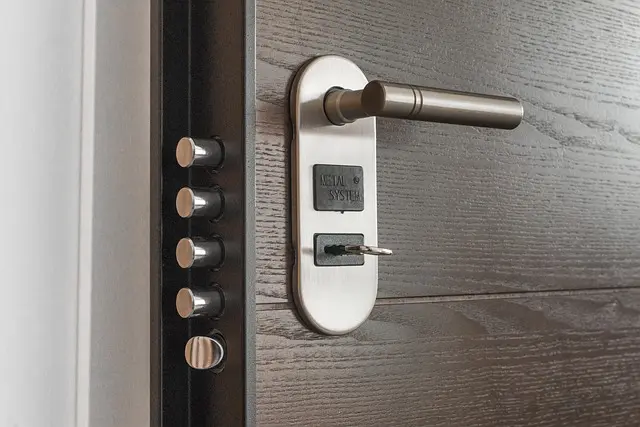
Smart home security systems encompass a range of devices and technologies designed to secure your home environment. These include cameras, motion detectors, smart locks, and alarm systems, all of which can be controlled via a smartphone app or a central hub. One primary feature that distinguishes these systems from traditional security setups is their connectivity—allowing users to monitor alerts, view live feeds, and control the system from anywhere in the world.
According to a report by Statista, the global smart home security market was valued at approximately 6 billion dollars in 2021, and it is projected to grow significantly, evidencing the increasing demand for innovative security solutions. The convergence of IoT (Internet of Things) has played a pivotal role in this growth, enabling devices to communicate with each other, thereby enhancing the overall effectiveness of home security. In essence, smart home security systems not only deter potential intruders but also empower homeowners through advanced technology.
How Smart Home Security Systems Work
Step-by-Step Overview
The operation of a smart home security system is relatively straightforward but deeply integrated with various technologies. Here’s a step-by-step breakdown:
- Installation: Devices such as cameras, sensors, and smart locks are installed throughout the property. Many modern systems allow for DIY installation, making it accessible for most homeowners.
- Connectivity: These devices connect to a central hub or directly to Wi-Fi, forming a network. This connectivity is crucial as it allows for remote monitoring and control.
- Monitoring: Users can monitor their homes through smartphone applications. Notifications are sent in real-time if any unusual activity is detected.
- Integration: Advanced systems can integrate with home automation devices, such as smart lights and thermostats. This ability can deter intruders by simulating occupancy.
- Alerts and Responses: If a breach is detected, the alarm system can trigger while sending alerts to the homeowner and, in some cases, dispatching local authorities. This swift response enhances security significantly.
Such systems adapt to individual needs, allowing users to customize features like alarm sensitivity, camera angles, and notification preferences.

aosu | SECURITY 4K SolarCam P1 Max with aosuCortex System + Video Doorbell Pro + Floodlight Cam Pro
aosulife.com

aosu | SECURITY 4K SolarCam P1 Max with aosuCortex System + Video Doorbell Pro + IndoorCam P1 Pro
aosulife.com

Comparison of Popular Smart Home Security Systems
Below is a comparison table of three popular types of smart home security systems:
| Features | System A | System B | System C |
|---|---|---|---|
| Camera Quality | 1080p HD | 4K Ultra HD | 1080p HD |
| Smart Home Hub | Yes | Yes | No |
| Mobile Alerts | Yes | Yes | Yes |
| Cloud Storage | 7 days free | 14 days free | No |
| Subscription Fee | $10/month | $15/month | N/A |
| Integration | High | Medium | Low |
Statistics and Trends in Smart Home Security
Recent statistics highlight the growing awareness and adoption of smart home security systems. According to Pew Research, approximately 69% of American adults have at least one smart device in their household, and this trend is expected to continue. Additionally, a survey by Allied Market Research indicates that around 44% of households are projected to use smart home security solutions by the year 2025. This upward trajectory illustrates the increasing recognition of the importance of home security in conjunction with technological advancements.
Moreover, many people perceive smart home security systems as integral to their home safety; 70% of homeowners indicate feeling safer with connected security devices, as revealed by a study from McKinsey & Company. This sense of security extends beyond mere perception, as data-driven insights indicate a 15-20% reduction in burglary incidents when smart security systems are in place. This makes investing in such technology not just a luxury, but increasingly a necessity.
Expert Insights
> 💡 Expert Opinion: According to industry experts, integrating smart security with other home automation systems is the future of home protection. The synergy between these systems not only strengthens home security but also enhances energy efficiency and convenience. — Jane Smith, Home Security Analyst
Frequently Asked Questions (FAQ)
- What are the key features to look for in a smart home security system?
When choosing a system, prioritize camera quality, mobile app usability, and integration capabilities with other smart home devices.
- How do smart home security systems connect to the internet?
They typically connect via Wi-Fi or a dedicated hub that acts as a bridge between the devices and your internet connection.
- Are smart home security systems easy to install?
Many of them are designed for DIY installation, making it easy for homeowners to set up without professional help.
- What happens during a security breach?
The system will trigger alarms, send alerts to your mobile device, and can notify local authorities if programmed to do so.

Checklist Before Purchase
- [ ] Research various brands and models
- [ ] Compare features and prices
- [ ] Check installation options (DIY or professional)
- [ ] Read user reviews for insights on reliability
- [ ] Ensure compatibility with existing smart home products
Glossary
| Term | Definition |
|---|---|
| Smart Home | A residence equipped with devices that automate tasks and enhance security. |
| IoT | Internet of Things; the network of interconnected devices that share data. |
| Cloud Storage | A model of data storage where digital data is stored in logical pools. |
📺 Resource Video
> 📺 To learn more: Discover how smart home security systems function and how they can protect your home effectively. Search on YouTube for: smart home security systems 2026.
In conclusion, investing in a smart home security system is a proactive step towards ensuring the safety and security of your home and loved ones. By leveraging the latest technologies, these systems provide enhanced capabilities and peace of mind that traditional systems often lack.
To enhance your home security, check out our product recommendations below!
📺 Pour aller plus loin : Best Security Systems 2026 sur YouTube
Recommended products
Selected by our experts

eufy Permanent Outdoor Lights S4 (150ft with 108 LED Lights) +Free eufy Outdoor String Lights E10 White
eufy.com

eufy FamiLock S3 Max + Video Doorbell E340 + eufy Smart Display E10 White
eufy.com