Table of Contents (15 sections)
In today's technology-driven world, ensuring the safety of your home has taken on a whole new dimension with the advent of smart home security devices. These devices not only streamline surveillance and monitoring, but they also enhance your peace of mind by providing real-time alerts and user-friendly features that traditional systems often lack. The rise in smart home technology is not just a trend; it's a necessity for homeowners looking to increase their residential security.
What Are Smart Home Security Devices?
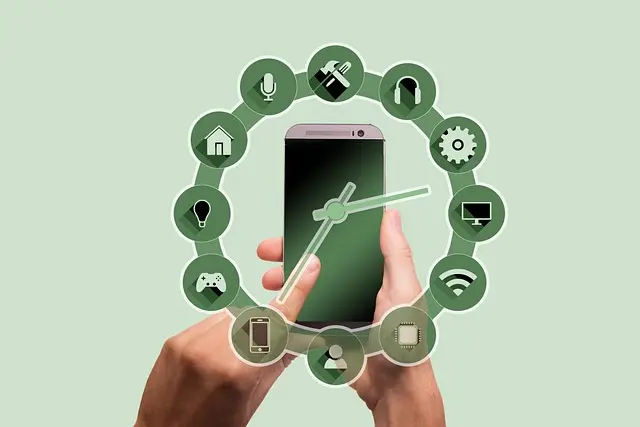
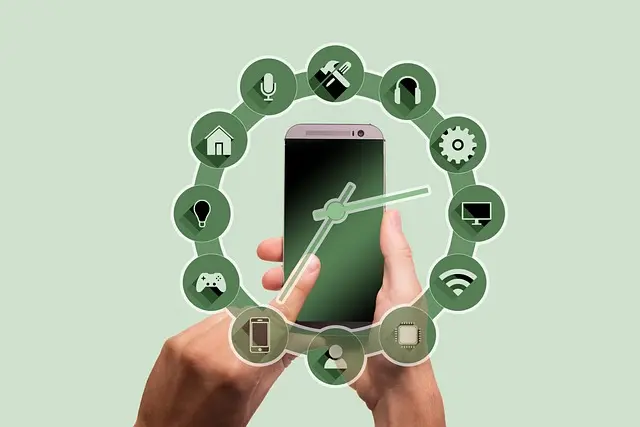
Smart home security devices refer to various technological solutions that help monitor and protect your home by leveraging connectivity features. These devices include smart cameras, doorbells, locks, and alarm systems that can be controlled remotely via smartphones or other networked devices. According to a report by Statista, the global smart home market is projected to reach $151 billion by 2026, demonstrating the increasing reliance on these innovative solutions.
The primary benefit of smart home security devices is their ability to provide real-time notifications. When an anomaly occurs—like a door being opened or a window breaking—users receive immediate alerts through their smartphones. This instant communication allows for faster responses, whether that means contacting local authorities or checking the video feed to assess the situation.
Additionally, many devices offer features such as two-way audio, night vision, and cloud storage for recorded footage, providing comprehensive monitoring of your premises. With a combination of convenience and effectiveness, smart home security devices are transforming how homeowners approach their safety.
Popular Types of Smart Home Security Devices
Smart Cameras
Smart cameras are essential for any household aiming to improve security. These devices come in various forms, such as indoor cameras that monitor the interior of your home and outdoor cameras designed to withstand the elements. One of the latest trends is the development of compact models that offer high-definition video feeds while maintaining a low profile, making them ideal for discreet surveillance. Users can stream live footage, record videos, and even communicate through built-in intercoms, which adds an extra layer of convenience.
Smart Doorbells
The smart doorbell has revolutionized the way we manage visitor access at home. With a built-in camera and motion detection, these devices allow homeowners to see who is at their door in real-time, often even before the doorbell rings. Many smart doorbells can store video footage and alert users of movement, enhancing security without requiring additional systems.
Smart Locks
These locks enable keyless entry, granting access exclusively to designated individuals. Smart locks use various authentication methods, such as facial recognition or smartphone applications, ensuring that your home remains secure. Additionally, you can assign temporary access codes for guests or service personnel, offering convenience while retaining control.
Alarm Systems
Smart alarms provide a comprehensive security solution, enabling users to set their systems remotely, receive alerts, and integrate with other smart devices for a synchronized security network. Many modern alarm systems allow customization of security zones within the house, enhancing overall safety measures based on specific needs.


Comparison of Smart Home Security Devices
To make an informed decision regarding which smart home security devices would be best for your needs, consider the following comparison:
| Device Type | Features | Price Range | Ease of Use |
|---|---|---|---|
| Smart Cameras | HD video, night vision, two-way audio | $30 - $300 | Very user-friendly |
| Smart Doorbells | Motion alerts, video streaming | $100 - $250 | Intuitive design |
| Smart Locks | Keyless entry, smartphone control | $80 - $400 | Moderate, slight learning |
| Alarm Systems | Remote control, zone customization | $200 - $600 | Varies by model |
Statistical Insights on Home Security
Diving deeper into safety statistics, findings from Security.org indicate that homes without a security system are three times more likely to be burglarized. Furthermore, UFC-Que Choisir reports that approximately 60% of burglaries can be prevented with smart security measures. These statistics underscore the importance of not only investing in the right devices but also understanding their roles in an overall security strategy.
Expert Opinions on Smart Home Security
💡 Expert Opinion: According to many home safety experts, integrating multiple smart devices often yields the best results. For instance, using a combination of smart cameras and smart locks creates a comprehensive monitoring system that can be customized based on your daily activities and security needs.
The shift towards smart home devices will improve home security significantly, as they adapt not just to burglaries but also to various emergencies. This forward-thinking approach to security means considering not just what products to buy, but how to create a cohesive network of these devices.
📺 For More Insights
> Explore the latest on smart home security devices in our recommended YouTube video: Understanding Smart Home Security 2026. Search for: smart home safety devices 2026.

Frequently Asked Questions (FAQs)
- Q: How do smart home security devices connect to the internet?
A: Most smart security devices connect via Wi-Fi. Follow the manufacturer’s instructions to link them to your home network.
- Q: Are smart doorbells safe from hacking?
A: While no device is entirely unhackable, reputable brands often include security features to minimize hacking risks. Regular software updates also help in patching vulnerabilities.
- Q: Can I control these devices when I’m away from home?
A: Yes, most smart home security devices allow remote access through mobile applications, letting you monitor and manage your home from anywhere.
- Q: Do I need a subscription for cloud storage?
A: Many smart cameras and doorbells provide free storage options, but premium features typically require a subscription.
Checklist for Choosing Smart Home Security Devices
- [ ] Determine the primary areas you want to secure
- [ ] Research different product reviews and ratings
- [ ] Assess compatibility with existing devices
- [ ] Calculate your budget and needs
- [ ] Verify warranty and customer support options
Glossary
| Term | Definition |
|---|---|
| Smart Security Device | An interconnected device that monitors, detects, and alerts users of security breaches or dangers. |
| IoT (Internet of Things) | A network of physical devices connected to the internet, facilitating communication and data exchange. |
| Remote Access | The ability to monitor or control devices from a distance, usually through a smartphone app or web interface. |
Conclusion
Enhancing your home security is simpler than ever with the variety of smart home security devices on the market today. Make informed decisions based on your needs, budget, and the features that matter most to you. Remember, investing in your home's security is investing in your peace of mind. Don't forget to check out our recommended products below for tailored solutions that best suit your home protection needs!
📺 Pour aller plus loin : smart home safety devices 2026 sur YouTube
Recommended products
Selected by our experts


eufy FamiLock S3 Max + Video Doorbell E340 + eufy Smart Display E10 White
eufy.com