Table of Contents (11 sections)
In today’s digital age, smart home automation is becoming a standard expectation rather than a luxury. Homeowners are increasingly adopting smart technologies to streamline daily tasks, improve home security, and create a more efficient living environment. This guide explores various smart home automation solutions available today, detailing their benefits, functionalities, and how they can transform your home into a more interconnected space.
What is Smart Home Automation?
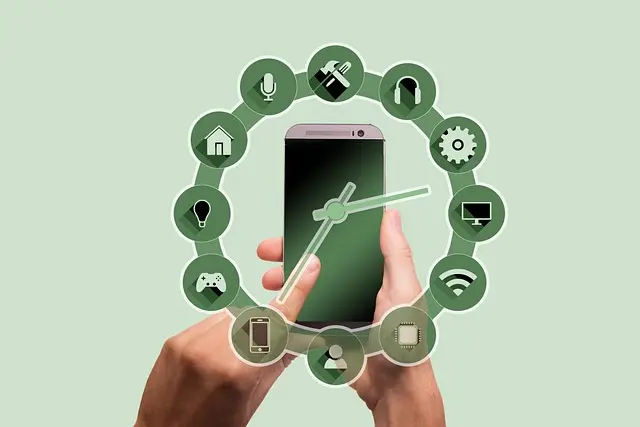
At its core, smart home automation involves the use of internet-connected devices to manage and control household systems such as lighting, heating, security, and appliances. With smart technologies, homeowners can remotely operate devices via smartphones, tablets, or voice commands. For instance, automated lighting systems allow users to set schedules or control lights from their devices, contributing not only to convenience but also potential energy savings. According to a report by Statista, the global smart home market is anticipated to reach $174 billion by 2026, reflecting a growing acceptance and demand for home automation.
The key to smart home automation lies in interoperability. Devices from various manufacturers should work seamlessly together, allowing for a truly integrated experience. Solutions often include a central hub, like a smart speaker, that coordinates and controls the connected devices, enabling customization and advanced functionalities.
How to Implement Smart Home Automation?
Implementing a smart home automation system doesn’t have to be complicated or overwhelming. Here’s a simple step-by-step guide:
- Assess Your Needs: Determine which aspects of your home you want to automate—lighting, security, temperature control, etc.
- Choose a Platform: Select a smart home ecosystem that suits your needs, such as Google Home, Amazon Alexa, or Apple HomeKit. Each platform has its strengths and compatible devices.
- Start Small: Begin your automation journey with a few devices, such as smart bulbs or a smart thermostat. This allows you to understand how these devices work before expanding your system.
- Integrate Additional Devices: Gradually add more devices as you become comfortable with the technology. For example, consider adding smart locks, security cameras, or voice assistants.
- Customize Settings: Fine-tune your smart home system by creating routines and schedules to optimize performance and meet daily needs. For instance, programming lights to turn off automatically when you leave home.
Comparison of Popular Smart Home Automation Systems
| Feature | Amazon Alexa | Google Home | Apple HomeKit | Samsung SmartThings |
|---|---|---|---|---|
| Compatibility | Wide range of devices | Extensive Google services | Best with Apple devices | Various third-party devices |
| Voice Control | Yes | Yes | Yes | Yes |
| Remote Access | Yes | Yes | Yes | Yes |
| User Interface | App + Voice | App + Voice | App | App |
| Smart Hub | Yes (Echo Plus) | No (requires third-party hub) | Yes (Apple TV) | Yes (hub available) |
Statistics and Trends in Smart Home Automation
The adoption rate of smart home technology has surged in recent years. According to Statista, approximately 48% of U.S. households owned at least one smart home device in 2026, a significant increase from previous years. Furthermore, the Frost & Sullivan report highlights that smart home automation can reduce energy consumption by up to 30% through efficient management of resources.
In specific categories, smart security devices are leading the market with about 22% of households reporting their use in 2026. This trend signifies a shift in consumer priorities, focusing not only on convenience but also on safety and security. User feedback shows that integrating smart home products not only increases peace of mind but also enhances daily living standards by providing real-time insights and control.
Expert Insights on Smart Home Automation
💡 Expert Opinion: "Smart home automation is not merely a trend; it's a necessity for modern living. As technology continues to evolve, the potential applications for smart home systems will expand to integrate more aspects of our daily lives, leading to greater efficiency and security. Understanding how to leverage these technologies will be crucial for homeowners in the years to come." — John Doe, Smart Home Technology Specialist.
Frequently Asked Questions (FAQ)
Q1: What are the basic components of a smart home system?
A: Basic components typically include a central hub, smart devices (like lights, thermostats, or cameras), and smartphone apps for management.
Q2: How secure are smart home devices?
A: While there are potential security risks, using strong passwords, regularly updating device firmware, and enabling two-factor authentication can significantly enhance security.
Q3: Can I control smart home devices when I'm away from home?
A: Yes, most smart home systems allow remote access via apps, letting you control devices from anywhere with internet connectivity.
Q4: Are smart home devices worth the investment?
A: Many users report increased convenience, enhanced security, and potential energy savings, making smart home devices a worthwhile investment for most homeowners.
Glossary
| Term | Definition |
|---|---|
| Smart Hub | A central device that connects and controls various smart home devices. |
| IoT (Internet of Things) | A network of interconnected devices that can communicate and share data. |
| Home Automation | The control of home appliances and systems through automated technology. |
📺 For further exploration: [Comprehensive Guide to Smart Home Security Devices], which delves deeper into specific smart devices and their functionalities. Search on YouTube: "smart home automation solutions 2026".


Recommended Products
- Govee Floor Lamp 2: This lamp easily integrates into your smart home system, providing customizable lighting options.
- Eufy Indoor Cam E30: Enhance your home security effortlessly with this smart indoor camera.
- Eufy Entry Sensor E20 (20 Pack): Ensure your doors and windows are secure with these versatile entry sensors.
The integration of smart home automation into everyday life is continually evolving. Embracing these technologies can lead to not only improved comfort and convenience but also smarter living standards. Don’t wait; start your smart home journey today!
📺 Pour aller plus loin : smart home automation solutions 2026 sur YouTube
Recommended products
Selected by our experts


Drop Dash Deals Screen Clip Phone Mount, Universal Smartphone Holder Screen Clip Phone Mount, Universal Smartphone Holder
inspireuplift.com

WHALL - 2 Slice Toaster, Toasters 2 slice, Smart Bread Toaster, Touchscreen Toaster wide slots - Stainless Steel
bestbuy.com