Table of Contents (8 sections)
Smart home ecosystems represent a transformative leap in household technology, merging various smart devices into a cohesive network. This concept is rooted in the idea of connectivity, allowing devices such as lights, thermostats, locks, and cameras to communicate seamlessly. By integrating these technologies, homeowners not only enhance convenience but also improve safety and energy efficiency.
What Are Smart Home Ecosystems?
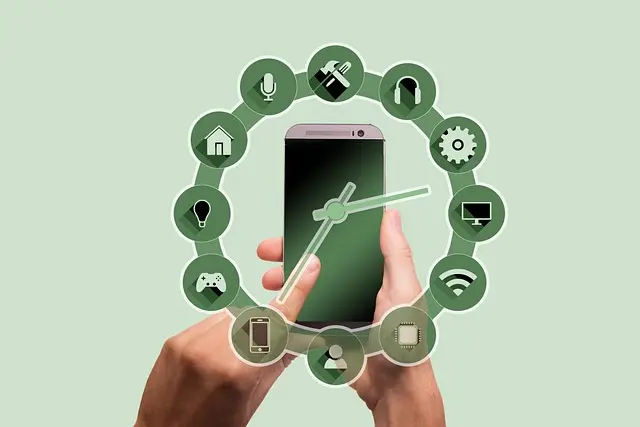
At its core, a smart home ecosystem is a collection of smart devices that work together through a central hub—often a smartphone app or a dedicated smart hub. These devices communicate over the internet or through local networks, establishing an automated environment tailored to individual preferences. The appeal of smart home ecosystems lies in their ability to streamline household management. For example, a user can control the lighting, security, and climate from a single interface, creating a more efficient home environment. According to weforum.org, 45% of households own at least one smart home device, emphasizing the growing trend towards fully integrated smart solutions.
How Smart Home Ecosystems Enhance Connectivity
The primary benefit of smart home ecosystems is enhanced connectivity. With the ability to manage multiple devices through a unified platform, homeowners can create an intuitive living experience. For instance, imagine arriving home and your smart lock detects your presence, automatically unlocking the door as your smart lights illuminate the pathway. The efficiency extends to energy use as well; smart thermostats learn your routine, adjusting temperatures to your liking and saving energy when you're away. Furthermore, smart home devices like video doorbells and indoor cameras provide real-time alerts and video feeds to your mobile device, ensuring you stay connected and aware even when you're away.
Step-by-Step: Setting Up Your Smart Home Ecosystem
- Choose Your Hub: The first step is to select a central hub that supports multiple devices from various brands. Popular options include platforms like Google Home or Amazon Alexa, which are versatile and user-friendly.
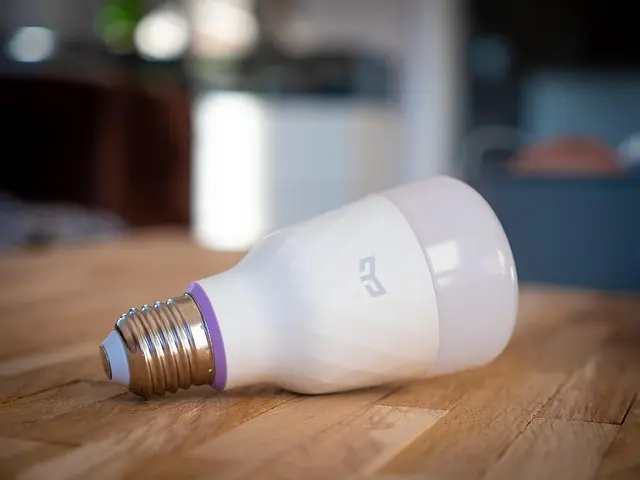
- Select Compatible Devices: Opt for devices that are compatible with your chosen hub. This can range from smart bulbs and plugs to locks and security cameras. Ensure they support the same communication protocols (e.g., WiFi, Zigbee).
- Install and Configure: Follow the installation manuals for each device. This typically involves connecting devices to your home Wi-Fi network and integrating them with your hub via its corresponding app.
- Customize Automations: Utilize your hub's app to set up automations. For example, program your lights to turn on at sunset or set your thermostat to lower when you leave for work.
- Routine Updates and Maintenance: Regularly check for software updates and ensure your devices are functioning optimally to maintain security and connectivity.
Comparative Analysis of Smart Home Ecosystems
| Feature | Google Home | Amazon Alexa | Apple HomeKit |
|---|---|---|---|
| Voice Control | Yes | Yes | Yes |
| Device Compatibility | Wide-ranging | Extensive | Limited |
| Security Standards | High | Medium | Very High |
| Ease of Use | User-friendly interface | Simple setup | Complex for beginners |
Each of these ecosystems has distinct strengths and weaknesses. For example, Google Home offers broad device compatibility, making it easy to integrate with existing technology. In contrast, Apple HomeKit provides robust security features, ideal for privacy-conscious consumers.
Data-Driven Insights on Smart Home Trends
According to a report by Statista (2026), the global smart home market is expected to reach over $135 billion by 2026, showcasing the skyrocketing interest in interconnected home technology. This surge is driven by the demand for increased convenience, improved energy efficiency, and enhanced home security. Moreover, as IoT (Internet of Things) technology continues to evolve, the capabilities and applications of smart home ecosystems are becoming more sophisticated. Households now utilize energy audits and automated systems to manage energy consumption, significantly impacting their utility bills. As per studies from UFC-Que Choisir, homeowners who implement smart energy management see savings of up to 30% annually on energy costs.
Frequently Asked Questions
What does a smart home ecosystem include?
A smart home ecosystem typically includes smart lighting, security systems, climate controls, and entertainment devices, all interconnected and controlled via a single platform.
Are smart home devices secure?
While smart home devices can be vulnerable to hacking, implementing strong passwords and regular updates significantly enhances security. Always choose devices that prioritize data privacy.
Can I use different brands in one ecosystem?
Yes, many systems allow integration of various brands. However, ensure they are compatible with your central hub for seamless functionality.
How much does it cost to set up a smart home ecosystem?
The cost can vary widely depending on the devices chosen. Basic installations may start from a few hundred dollars, but comprehensive setups can exceed thousands.
💡 Expert Opinion
> According to Les Numériques, integrating devices into a smart ecosystem not only enhances functionality but also adds significant value to your home. As the technology advances, early adopters can enjoy innovative features and increased convenience that will define future living environments.
Glossary
| Term | Definition |
|---|---|
| Smart Hub | A central device that connects different smart devices within a home ecosystem. |
| IoT (Internet of Things) | A system where devices connect to the internet to send and receive data. |
| Automation | Technology that allows devices to operate automatically without user intervention. |


Checklist before Purchase
- [ ] Evaluate the compatibility of devices with your smart hub
- [ ] Determine your budget for setup and ongoing costs
- [ ] Research user reviews for performance feedback
- [ ] Investigate energy efficiency features
- [ ] Assess the security measures of the devices
📺 For further exploration: Understanding Smart Home Ecosystems — A comprehensive guide on smart home technology trends. Look for:
smart home ecosystems 2026.
In conclusion, investing in a smart home ecosystem is not just a trend; it’s a significant step towards ensuring a connected, efficient, and secure home life. Explore the recommended products below to enhance your smart home experience today!
We hope this guide empowers you to create a modern living space that caters to your unique lifestyle. For more tips and products to elevate your smart home journey, check out our curated recommendations below.
📺 Pour aller plus loin : smart home ecosystems 2026 sur YouTube
Recommended products
Selected by our experts